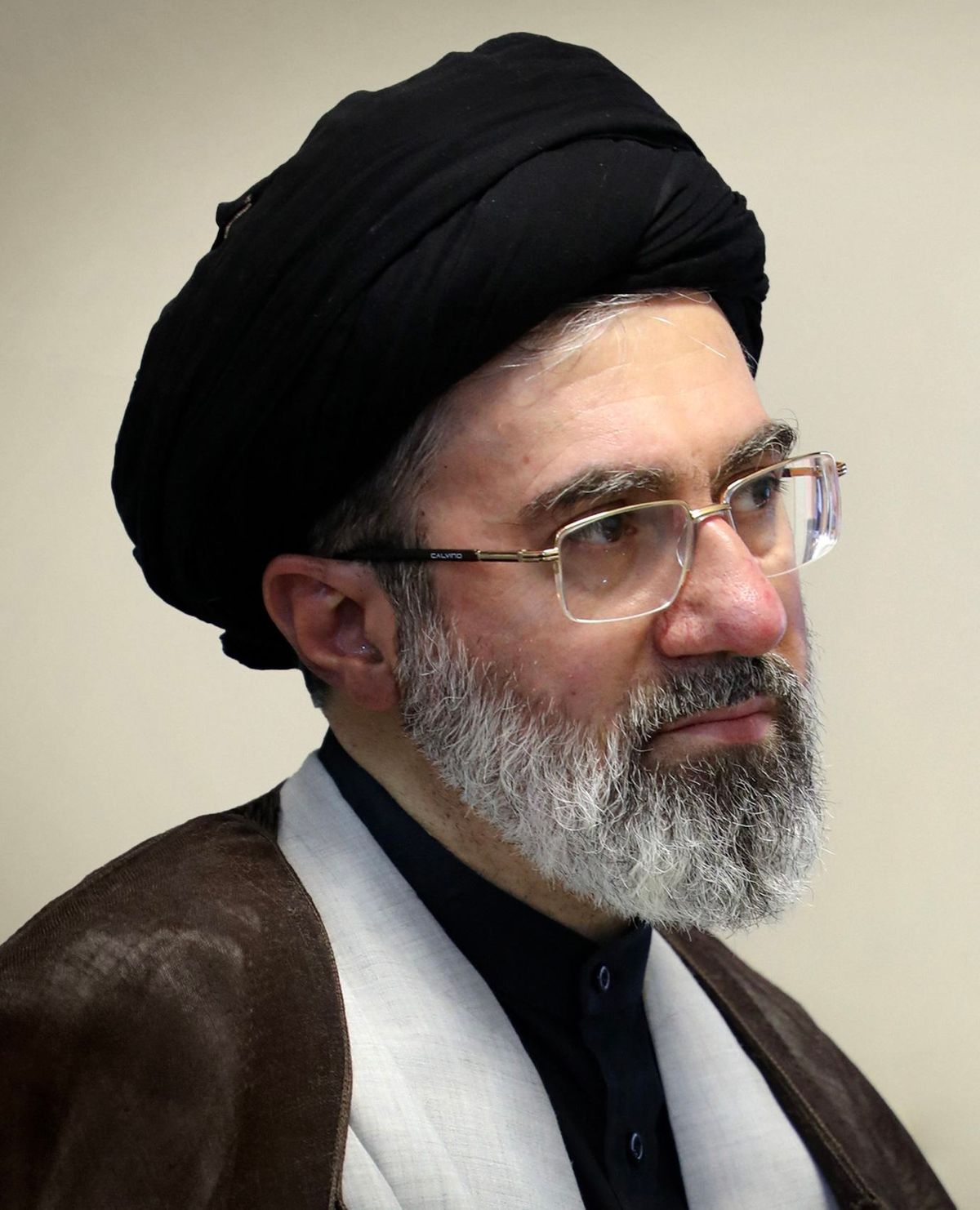
In a detailed report published today, The New York Times reveals that Iran’s new Supreme Leader, Mojtaba Khamenei, is gravely injured, remains in hiding, and has become a largely symbolic figure, while hard-line Islamic Revolutionary Guard Corps (IRGC) generals have effectively taken control of the country.
The article, titled “The Generals Who Are Now Running Iran,” describes a major power shift that occurred after the killing of Ayatollah Ali Khamenei on the first day of the war with the US and Israel on February 28, 2026.
Mojtaba Khamenei’s Condition and Role
- Mojtaba Khamenei, 56, was seriously wounded in the same airstrike that killed his father, his wife, and one of his sons.
- His injuries include multiple operations on one leg (with a prosthetic still pending), surgery on one hand, and severe burns on his face and lips that make speaking difficult.
- He is currently surrounded mostly by doctors and medical staff and has not been seen or heard publicly since his formal appointment as Supreme Leader in March 2026.
- Because he does not want to appear vulnerable, he refuses to release video or audio messages. He communicates only through written statements
.According to the report, Mojtaba governs in a limited capacity — described as acting “as though he is the director of the board,” while IRGC generals serve as the actual decision-makers. He rarely objects to proposals presented to him and is often given fait accompli options.
The NYT notes that Mojtaba lacks the religious authority and political stature of his father, making him heavily dependent on the IRGC, which helped install him and has kept the regime intact.
IRGC Generals Now in Control
The article states that real power in Iran has shifted to a collective leadership dominated by senior Revolutionary Guards commanders. Key figures mentioned include:
- Brig. Gen. Ahmad Vahidi
- Gen. Mohammad Bagher Zolghadr (new head of the Supreme National Security Council)
- Gen. Yahya Rahim SafaviGen. Mohsen Rezaei (recalled from retirement)
- Hossein Taeb (a close personal friend of Mojtaba Khamenei)
These generals now control critical decisions, including the closure and partial reopening of the Strait of Hormuz, the imposition of tolls on shipping, approval of the current ceasefire, and negotiations with the United States.
Civilian leaders, including President Masoud Pezeshkian and Foreign Minister Abbas Araghchi, have been sidelined on major foreign policy and security issues. Parliament Speaker Mohammad Bagher Ghalibaf (a former IRGC general) has taken a leading role in talks with the US.
The NYT quotes analysts who say the new structure represents a hardening of Iran’s position rather than the “regime change” claimed by President Trump. The IRGC is described as more pragmatic on some economic issues but remains deeply hard-line on resisting American pressure.