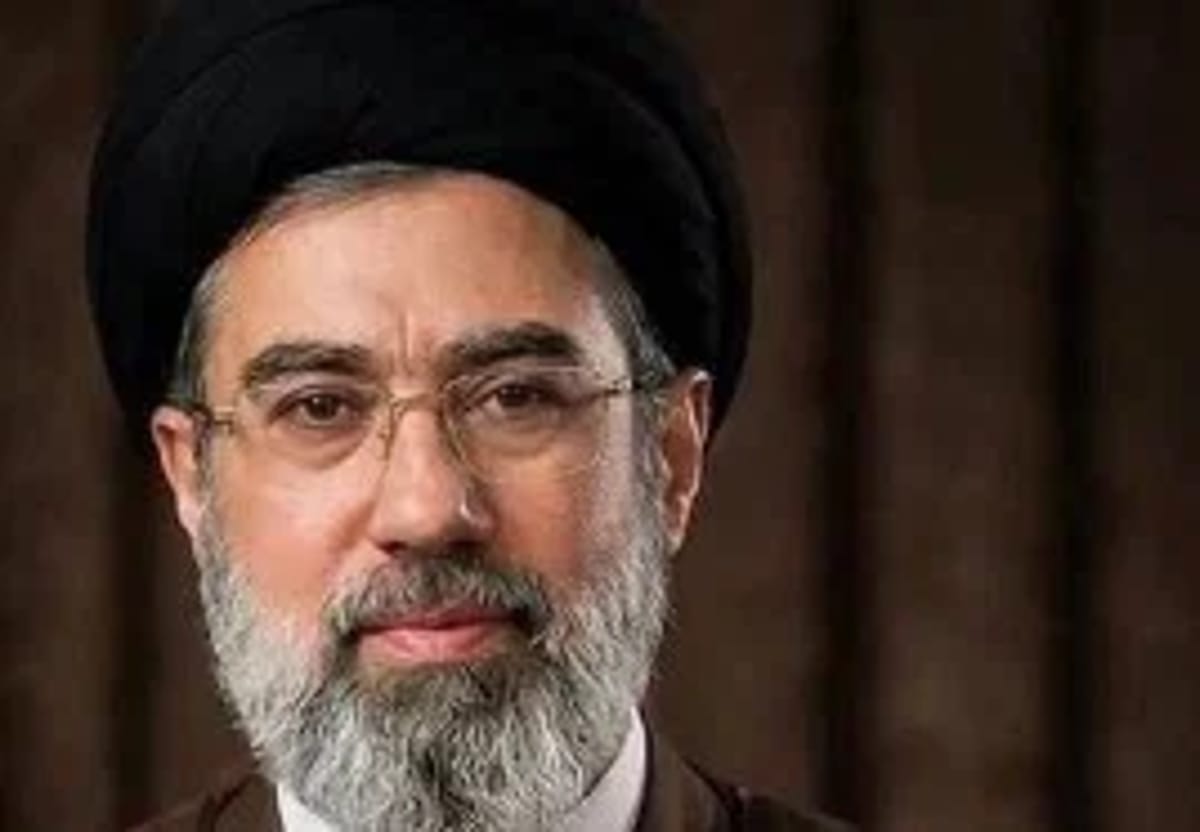
Six weeks after being named Supreme Leader following the assassination of his father, Mojtaba Khamenei has yet to appear in public. While the regime continues to broadcast AI-generated videos and social media statements in his name, a bombshell report from CNN suggests a far grimmer reality: the 56-year-old leader is medically incapable of governing.
Khamenei reportedly sustained severe injuries during the strike that killed his father, including facial disfigurement and fractures to his legs. Sources indicate that while he may participate in occasional conference calls, he is "not in a position to make critical decisions or manage the intricate details of a high-stakes negotiation."
In the absence of a functional Supreme Leader, the Islamic Revolutionary Guard Corps (IRGC) has effectively moved into the driver's seat.
- Exploiting the Void: Intelligence experts suggest the IRGC is using Mojtaba’s name as a "convenient shield" to protect themselves from internal criticism while they dictate the nation's military and diplomatic strategy.
- A Decentralized Regime: Experts like Ali Vaez note that without a central authority, Iran has become a "decentralized and ideologically rigid system," where different factions, including Parliament Speaker Mohammad Bagher Ghalibaf and Foreign Minister Abbas Araghchi, struggle to present a unified front.
The leadership paralysis has already had real-world consequences:
- The Islamabad No-Show: A planned round of talks in Pakistan was recently scrapped after the Iranian delegation failed to appear, citing a lack of unified instructions.
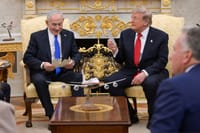
- Trump’s Extension: President Trump noted the internal chaos, stating, "We are dealing with different people than anyone has ever dealt with before." He has granted a temporary ceasefire extension, set to potentially expire this Friday, to allow the "severely fractured" leadership to form a coherent proposal.
- Internal Friction: Tension is boiling over in Tehran. Hardliners recently attacked Foreign Minister Araghchi for suggesting the reopening of the Strait of Hormuz, arguing that such a massive concession requires the "explicit" (and currently absent) approval of the Supreme Leader.
Divine Defiance?
While the U.S. views the situation as a government in collapse, some analysts warn that the IRGC views this period of friction as a "divine victory." With the military establishment now wielding de facto control, the chances of a diplomatic breakthrough remain slim unless a clear, authoritative voice emerges from the shadows of Tehran.