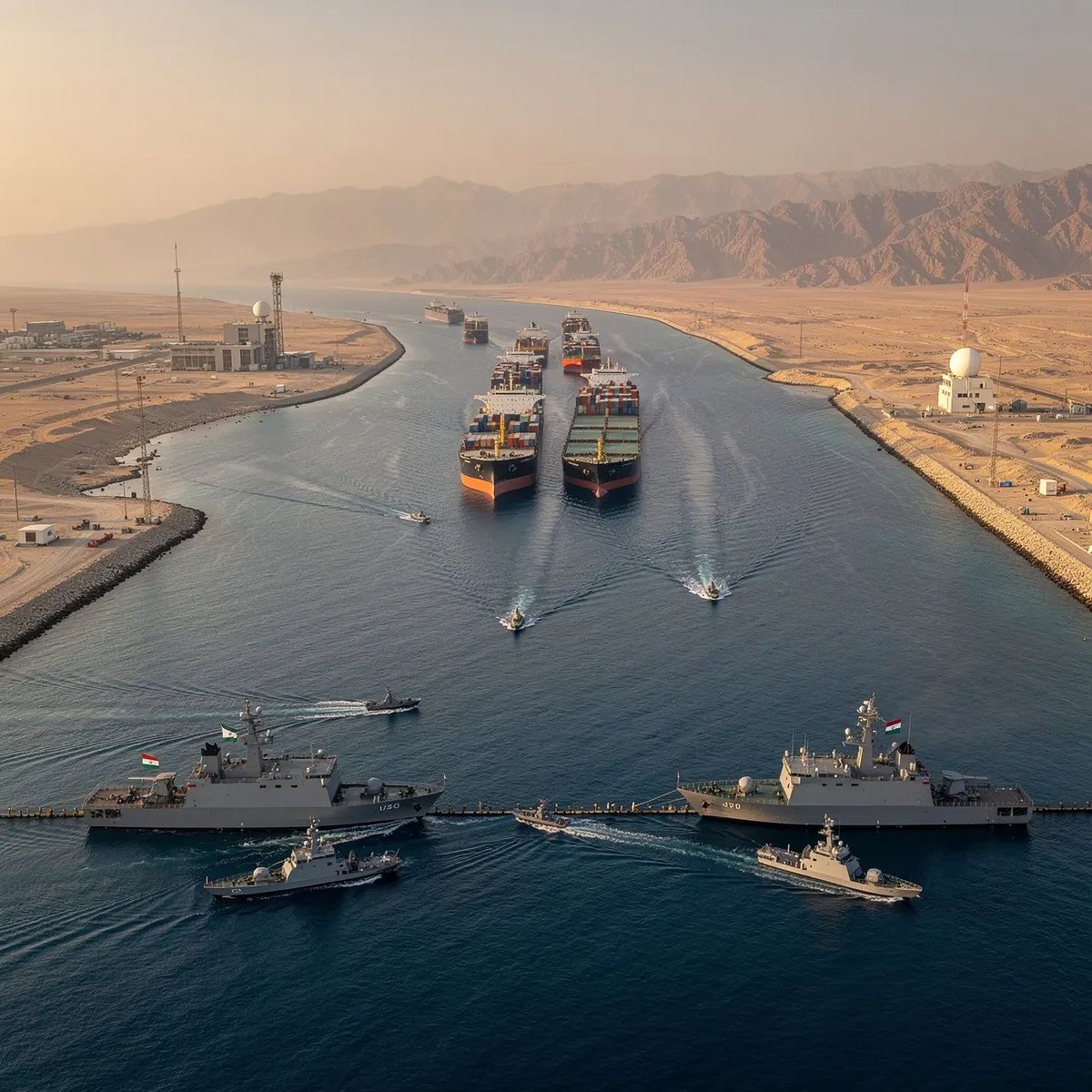
Iran announced today that it has collected its first revenue from tolls imposed on ships transiting the Strait of Hormuz, one of the world’s most critical oil chokepoints.
Iranian state media, including Tasnim News Agency, reported that payments have been deposited into the Central Bank of Iran. Deputy Parliament Speaker Hamidreza Haji-Babaei confirmed the transfer, describing the tolls as a new source of revenue for the country.
The move formalizes a system that shipping industry sources have dubbed the “Tehran Toll Booth.” Since mid-March 2026, Iran’s Islamic Revolutionary Guard Corps (IRGC) has required vessels to submit documentation, obtain clearance, and in many cases pay fees for safe passage through a controlled corridor closer to Iranian waters, often between Qeshm and Larak islands.
Reported Toll Details
- Fees reportedly reach up to $2 million per supertanker, sometimes structured as around $1 per barrel of oil.
- Payments are said to be made in Chinese yuan, cryptocurrency, or other non-dollar means to circumvent sanctions.
- Enforcement remains selective: Ships from countries Iran considers “friendly” face fewer restrictions, while vessels linked to the United States or Israel are often blocked or heavily limited.
Iranian officials have framed the charges as “security and management fees” rather than traditional tolls, and parliament has been advancing legislation to codify the system.
The United States and its allies strongly oppose the tolls. President Donald Trump has warned Iran to stop charging fees, stating the strait must reopen “without limitation.” The White House has advised tanker operators not to pay.
Maritime experts and the International Maritime Organization warn that the practice violates freedom of navigation principles under international law and could set a dangerous precedent for other strategic waterways.
Despite a fragile ceasefire following recent tensions, traffic through the strait remains far below normal levels. The waterway typically carries about one-fifth of global seaborne oil trade.
Market Impact
Higher shipping costs and uncertainty have already contributed to elevated oil prices, with Brent crude trading near $104 per barrel in recent sessions. Full implementation of tolls could add billions in annual costs to global energy markets, according to analysts.
Iran has denied charging certain nations (such as India) while continuing to assert control over the strait as leverage in ongoing negotiations.