They Broke Into His Home: Haredi Extremists Storm IDF Officer's House in Shocking Escalation
Anti-draft protesters breach yard of Chief Military Police Officer in Ashkelon while family was home • IDF Chief calls it a 'dangerous red line' as police launch manhunt | National leaders condemn violence (Haredim)
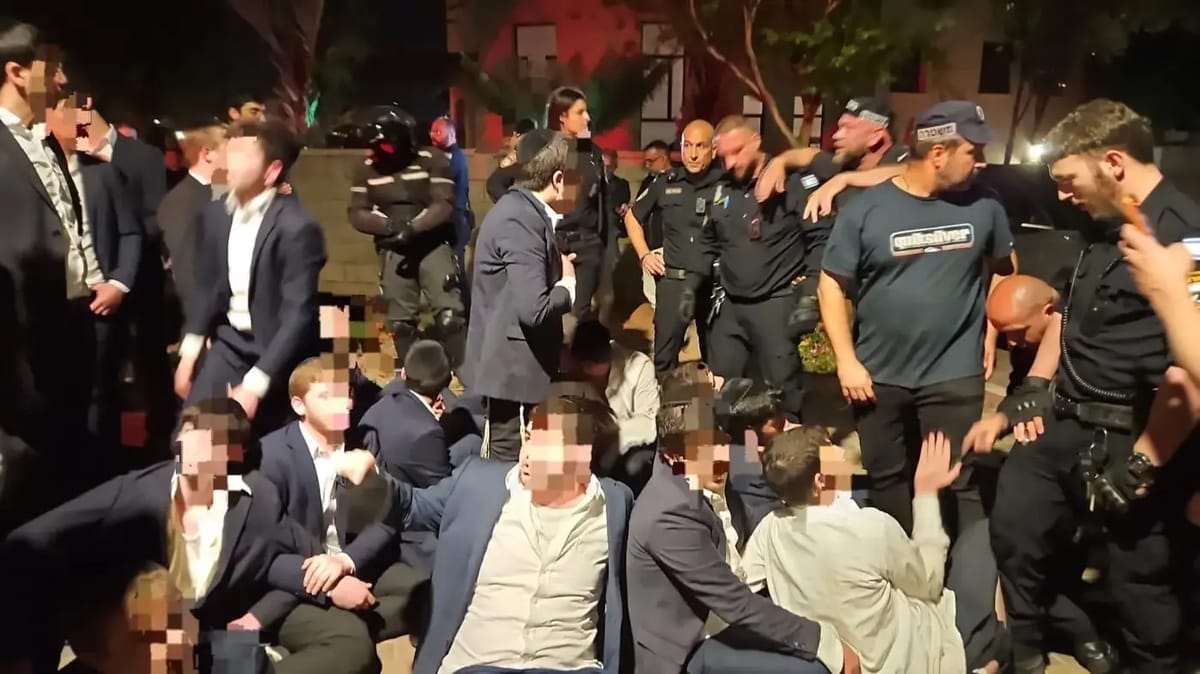
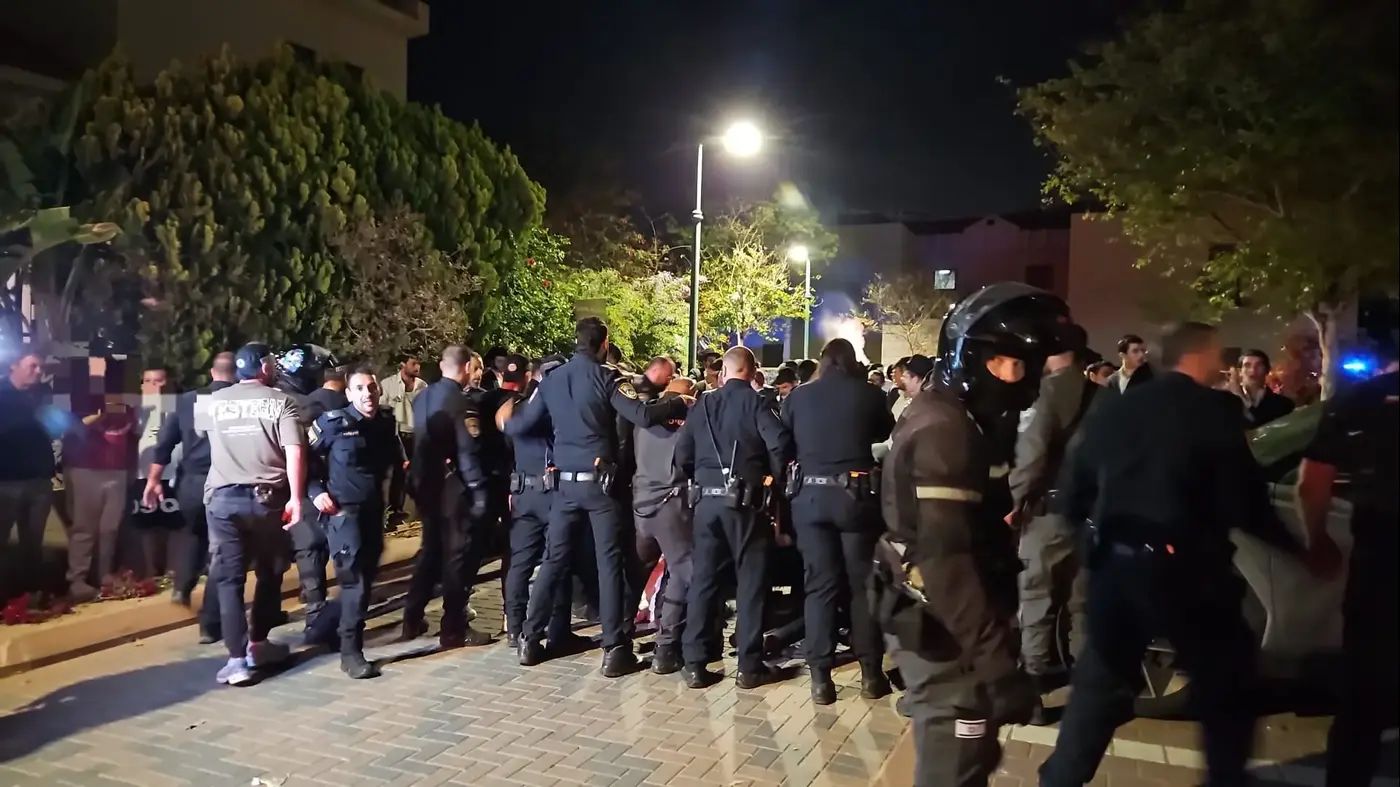
In a shocking escalation of anti-draft protests, Haredi extremists breached the yard of the Chief Military Police Officer's home in Ashkelon on Tuesday evening while his family was inside. The incident has triggered a wave of condemnation from Israel's political and military leadership, with IDF Chief of Staff Lieutenant General Eyal Zamir declaring the intrusion a "dangerous red line."
The protesters, opposing conscription of yeshiva students to the IDF, forced their way into the residential property of Lieutenant Colonel Yuval Yamin, who heads the military police unit responsible for enforcing draft orders. Israel Police immediately launched sweeps to locate and arrest those involved in what officials described as a brazen attack on a military family.

From Protest to Home Invasion
The confrontation began when anti-draft activists entered the officer's yard while his family was present at the residence. Initial reports suggested dozens of local residents rushed to the scene, believing masked officers were conducting a draft-related arrest. However, the situation quickly revealed itself to be far more serious than a standard enforcement operation.
Israel Police Commissioner Superintendent Danny Levy issued a forceful condemnation of the incident, emphasizing that freedom of protest does not extend to violence, trespassing, or threatening family members. He directed officers to utilize all available resources to halt such violations and bring suspects to justice. The commissioner clarified that while legitimate demonstration is protected, crossing into intimidation and home invasion will be met with the full force of the law.
Political Firestorm: 'Wild Attack' on Military Personnel
Prime Minister Benjamin Netanyahu characterized the home invasion as a "wild attack" and demanded decisive action against those responsible. Defense Minister Israel Katz stated that the perpetrators constitute a group of criminals who must face the maximum severity of the law. Finance Minister Bezalel Smotrich joined the chorus of condemnation, calling on police to restore order to the streets.
The incident has intensified the ongoing debate over Haredi conscription, with opposition leaders linking the violence to government policy. National Unity Party chairman Benny Gantz addressed Haredi leadership and rabbis directly, asserting that there is "nothing Jewish" about the demonstration in Ashkelon. He warned that if authorities fail to act decisively, bloodshed could follow, emphasizing that military service represents both a legal obligation and a Jewish right.

Opposition: Government Enabling Draft Evasion
Former IDF Chief of Staff Gadi Eisenkot, now a member of Gantz's faction, argued that the home invasion stems from government policies that enable draft evasion during wartime. Eisenkot warned that Israel is transforming into a state where gangs terrorize the streets with impunity. His comments reflect growing frustration within the opposition over inadequate enforcement of conscription laws.
Likud MK Yuli Edelstein, former chairman of the Foreign Affairs and Defense Committee, cautioned that continued reliance on Supreme Court rulings regarding conscription will lead to chaos. He advocated for advancing genuine draft legislation that would prevent a national rift, suggesting that the current legal framework has proven insufficient to address the escalating tensions.
Pattern of Escalation
The Ashkelon incident represents the latest in a series of violent confrontations related to Haredi draft resistance. Recent weeks have witnessed multiple clashes in ultra-Orthodox neighborhoods, including the near-lynching of female soldiers in Bnei Brak and attacks on Haredi soldiers who support enlistment. Senior military officials have privately acknowledged that certain neighborhoods have effectively become "no-go zones" for uniformed personnel.
The escalation comes as the IDF faces critical manpower shortages following the October 7 attacks. Military leaders have repeatedly stressed the operational necessity of broader conscription, while Haredi leaders maintain that yeshiva study constitutes an essential contribution to national security. The clash between these positions has now moved from the streets into private homes, raising urgent questions about the limits of protest and the state's ability to enforce its laws across all sectors of Israeli society.
As police continue their search for the suspects, the incident has crystallized the deep divisions over military service that threaten to fracture Israeli society during a time of war. The coming days will test whether political and religious leadership can restore calm before the situation deteriorates further.