Operation Northern Arrows

Crazy Footage: IDF Uncovers Massive Hezbollah 'Refuge Cities' 10km From Border

Brigade 7 and Yahalom forces locate extensive underground network in Qantara region • 450 tons of explosives used to demolish infrastructure | Hundreds of Hezbollah operatives sheltered in fortified chambers (Israel News)

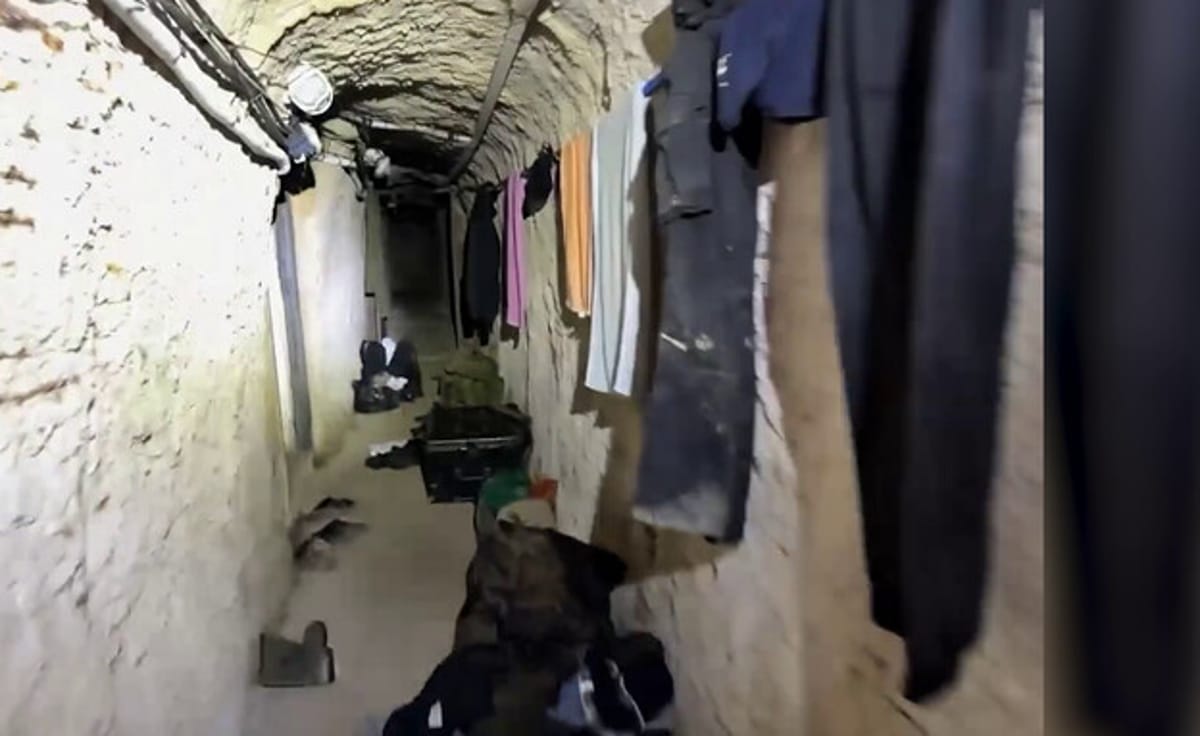
IDF uncovers Hezbollah terror tunnels
IDF uncovers Hezbollah terror tunnels (photo: IDF Spokesperson Unit)

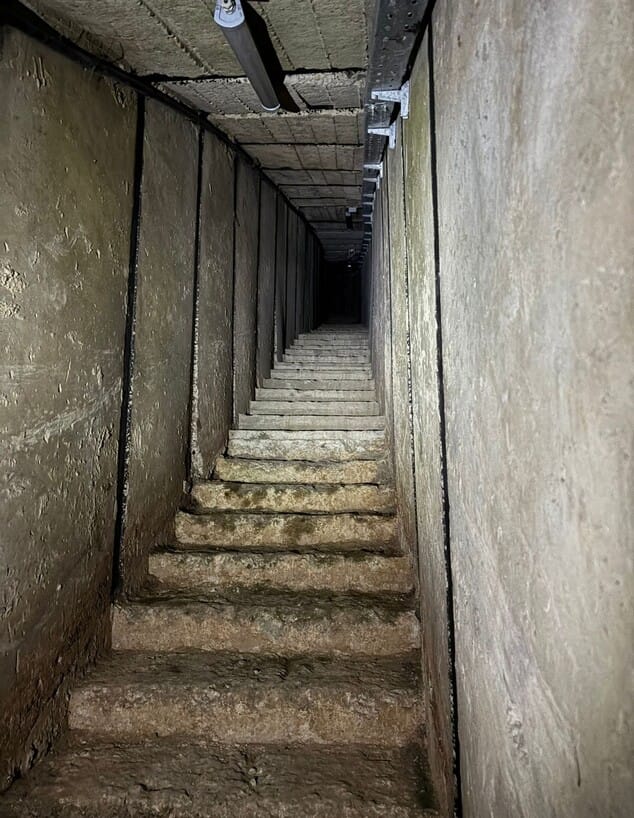
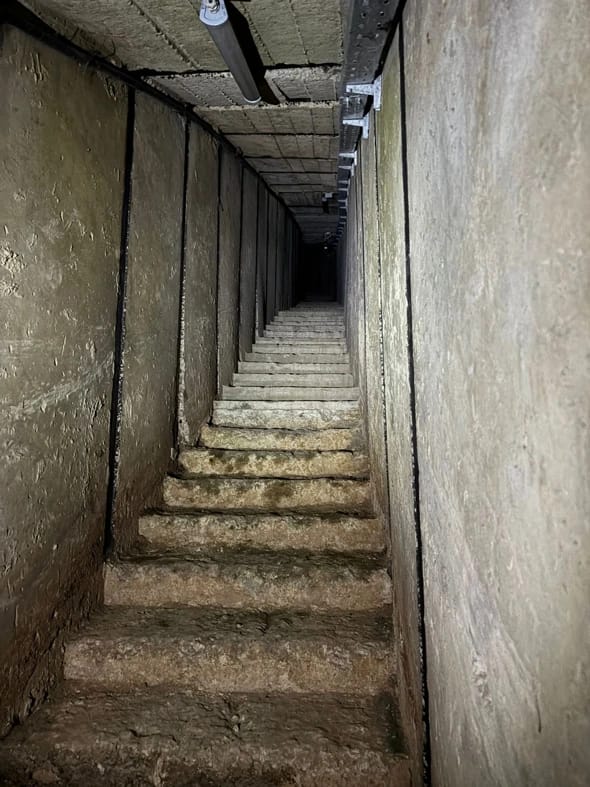
The IDF disclosed Tuesday the completion of an extensive operation to locate and destroy what military officials characterized as "refuge cities" for Hezbollah operatives in southern Lebanon. The underground network, spanning approximately two kilometers in total length, was discovered roughly 10 kilometers from the Israeli border in the Qantara region.

Brigade 7 and the elite Yahalom combat engineering unit, operating under the command of Division 36, led the multi-week operation that culminated in the systematic demolition of the terror infrastructure. Military sources emphasized that the tunnels represented a decade-long construction effort funded and directed by the Iranian regime as part of Hezbollah's broader strategy to prepare for potential incursions into Israeli territory.
Underground Infrastructure Designed for Extended Operations

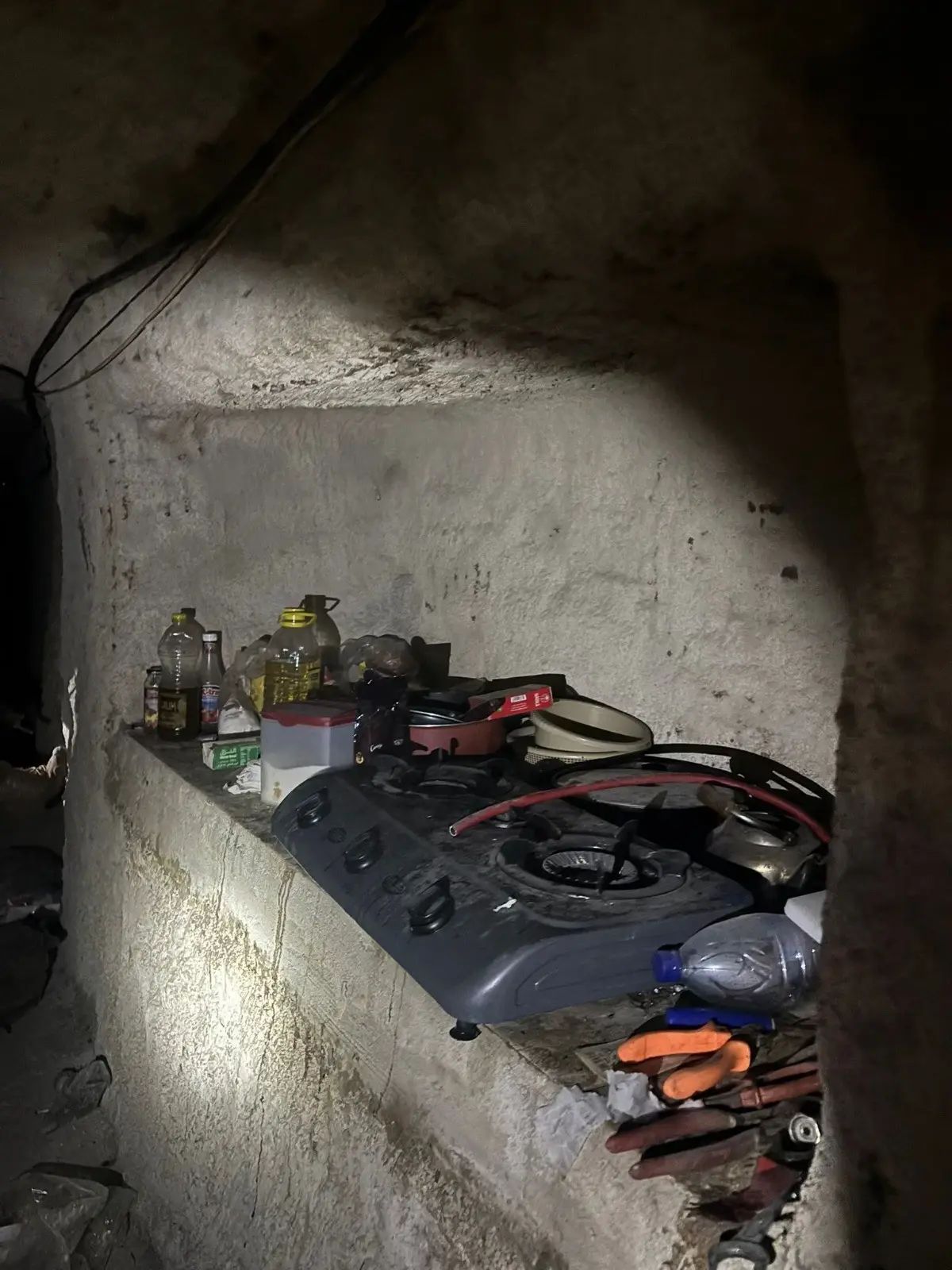
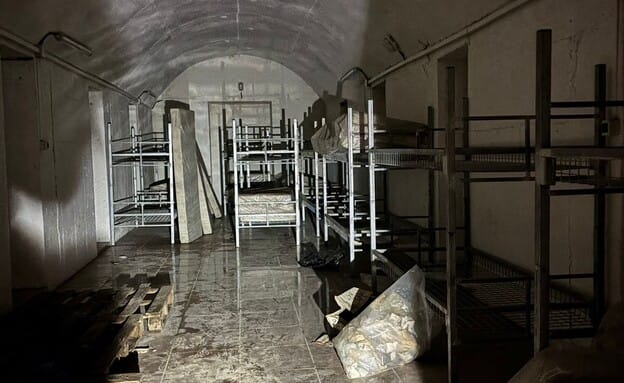
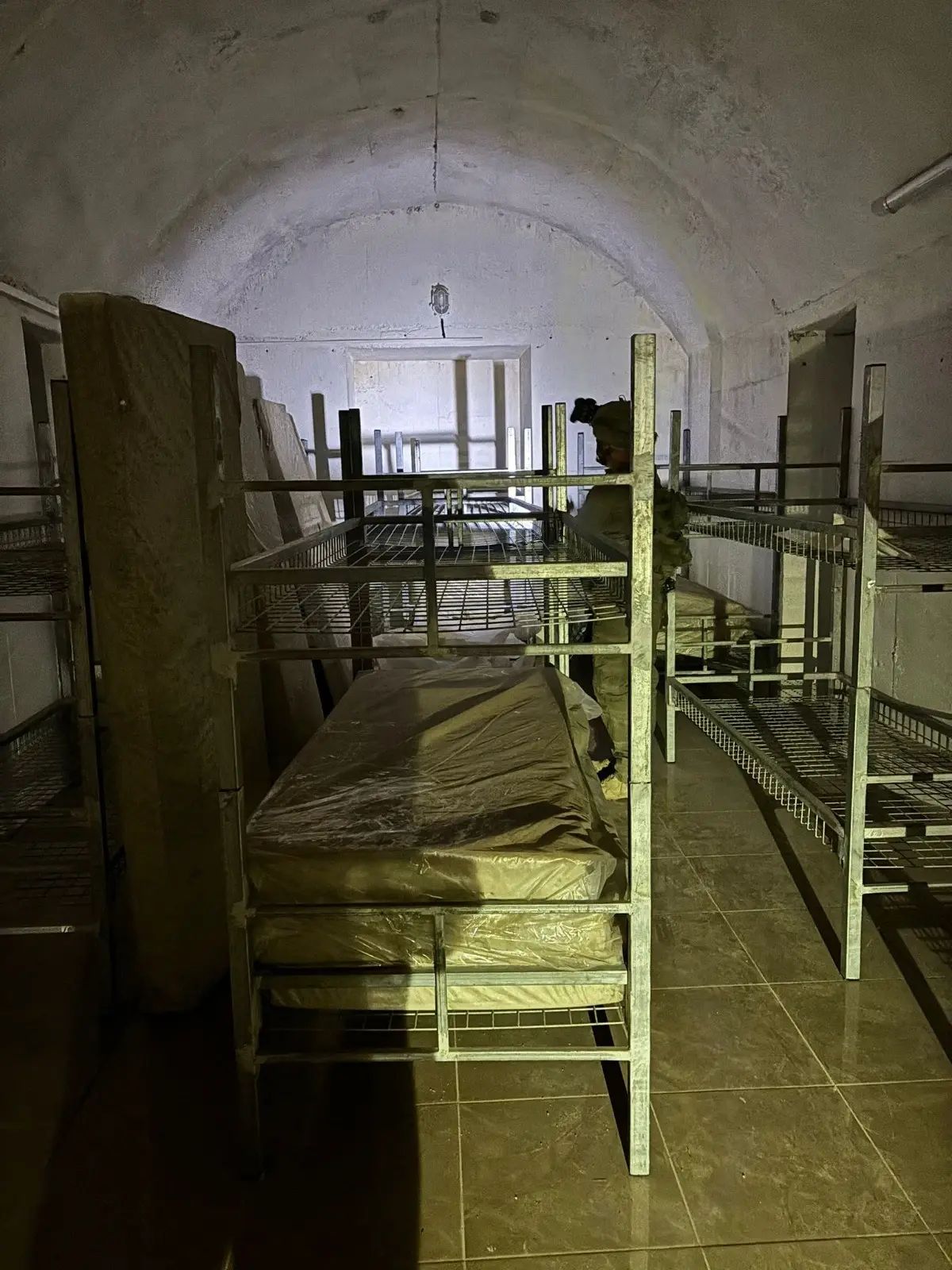
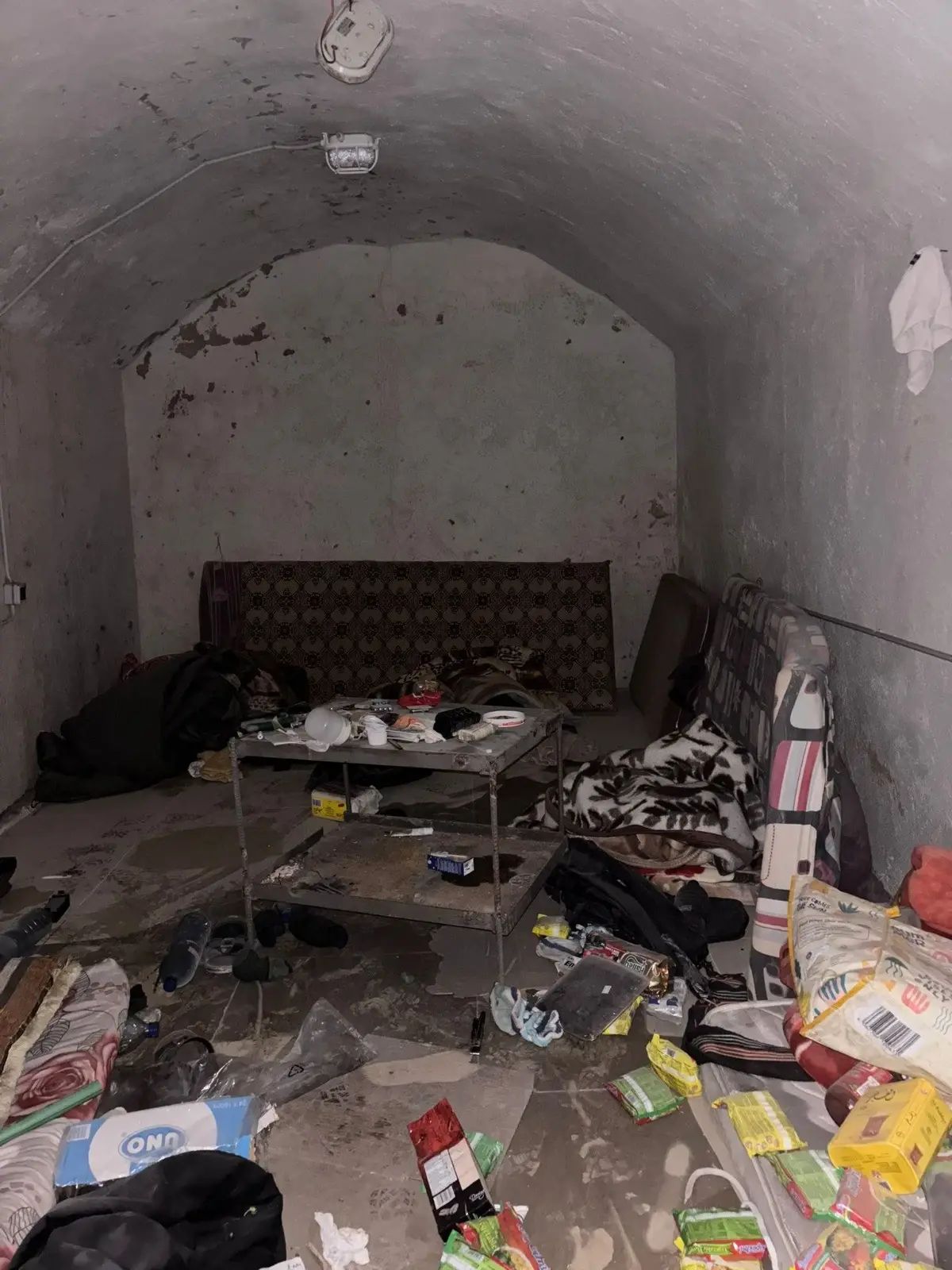
During reconnaissance operations inside the tunnel network, IDF forces documented extensive facilities designed to support prolonged underground habitation. Military officials stated that the infrastructure included approximately ten sleeping quarters equipped with beds, water storage containers, combat equipment, and logistical supplies intended to sustain hundreds of operatives beneath the surface.

The tunnels were constructed at depths of several dozen meters below ground level, with shafts connecting to firing positions directed toward Israeli territory. According to the IDF assessment, the network formed part of Hezbollah's operational plan for what the organization termed the "Conquest of the Galilee" — a scenario involving large-scale infiltration into northern Israel.

Military sources noted that the tunnels served dual purposes: providing defensive shelter for Hezbollah fighters while simultaneously functioning as staging areas for offensive operations. The strategic positioning in mountainous terrain and wadis enabled concealed movement toward the border region.

Complex Demolition Operation in Challenging Conditions

Following the discovery and mapping of the tunnel system, Division 36 forces initiated preparations for complete demolition of the infrastructure. The operation required the placement of 450 tons of explosive materials throughout the underground network — a complex engineering undertaking designed to ensure total structural collapse rather than mere neutralization.

The IDF emphasized that the demolition represented one of the most significant operations of its kind conducted in southern Lebanon since the commencement of Operation Northern Arrows. The primary tunnel segment measured approximately 1.2 kilometers in length, with military officials describing it as particularly significant due to the scale of investment and construction sophistication involved.

Combat operations in the region unfolded under extraordinarily difficult conditions. Forces contended with challenging topographical terrain, severe weather patterns including heavy rainfall throughout March, and simultaneous engagement with Hezbollah operatives employing both close-range and long-distance attack methods. The fighting included face-to-face encounters alongside threats from anti-tank missiles, rockets, and high-trajectory fire.

Kiryat Shmona Mayor Avichai Stern issued a video message to residents Tuesday afternoon, alerting them to expect possible seismic activity warnings due to the planned controlled detonation. "In the coming hours, a controlled explosion will be executed of a large weapons infrastructure located in the northern region of Lebanese territory, discovered during the war," Stern stated in his public advisory.

Strategic Implications and Ongoing Operations

The Qantara region where the tunnels were located holds strategic significance due to its topographical dominance. The area is controlled from the Litani and Saluki ridges, with the village of Qantara positioned approximately 11 kilometers from the border and commanding roughly 270 degrees of visual control over surrounding terrain.

Military officials indicated that the discovered infrastructure represents only a portion of a more extensive underground network previously identified during Operation Northern Arrows. IDF forces continue active operations in the sector, conducting systematic clearance of remaining terror infrastructure while confronting ongoing attempts by Hezbollah operatives to return to the region.

The operation reflects the IDF's sustained effort to dismantle Hezbollah's decade-long preparation for potential conflict scenarios. Similar tunnel demolition operations have been conducted in Gaza, where forces recently destroyed 14 kilometers of Hamas underground infrastructure in the northern sector.

Defense establishment sources emphasized that operations in southern Lebanon remain ongoing, with forces responding to evolving tactical situations and intelligence assessments regarding additional terror infrastructure in the region.

IDF uncovers Hezbollah terror tunnels
IDF uncovers Hezbollah terror tunnels (photo: IDF Spokesperson Unit)
IDF uncovers Hezbollah terror tunnels
IDF uncovers Hezbollah terror tunnels (photo: IDF Spokesperson Unit)
IDF uncovers Hezbollah terror tunnels
IDF uncovers Hezbollah terror tunnels (photo: IDF Spokesperson Unit)
IDF uncovers Hezbollah terror tunnels
IDF uncovers Hezbollah terror tunnels (photo: IDF Spokesperson Unit)
IDF uncovers Hezbollah terror tunnels
IDF uncovers Hezbollah terror tunnels (photo: IDF Spokesperson Unit)
IDF uncovers Hezbollah terror tunnels
IDF uncovers Hezbollah terror tunnels (photo: IDF Spokesperson Unit)
Ready for more?

Join our newsletter to receive updates on new articles and exclusive content.

We respect your privacy and will never share your information.