The Divine Shield

Rabbi Zilberstein's Frightening Warning to Bnei Torah

Senior Torah sage declares recent missile strikes on Bnei Brak stem from Torah students interrupting study for news updates • 'If there are holes in learning, there are holes in protection' | The controversial shiur (Haredim)

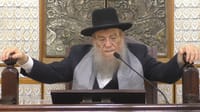
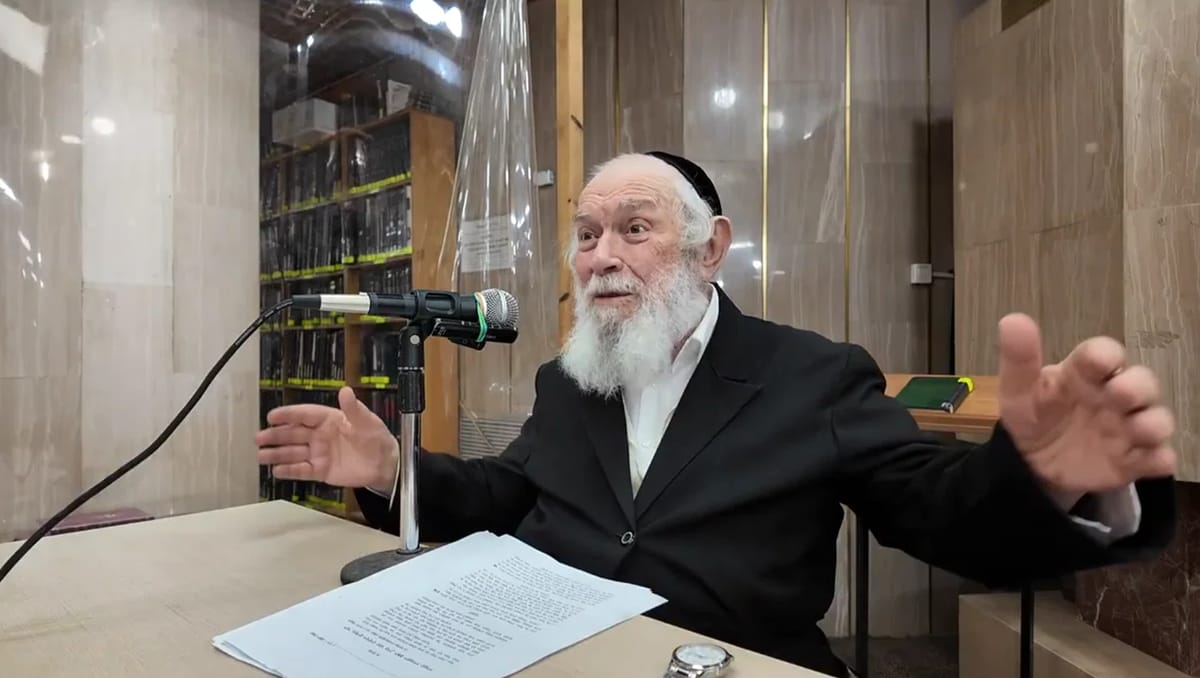
Rabbi Zilberstein
Rabbi Zilberstein (Photo: Divrei Chemed)

In a sharply worded address that has sent shockwaves through Israel's haredi world, Rabbi Yitzchak Zilberstein, a senior member of the Council of Torah Sages and rav of Ramat Elchanan in Bnei Brak, declared that recent missile strikes on the city stem directly from Torah students interrupting their learning to check news updates.

The controversial shiur, delivered amid mounting anxiety over renewed conflict with Iran, directly challenged the legendary promise attributed to the Chazon Ish that Bnei Brak would remain protected from aerial bombardment. Rabbi Zilberstein's answer to those questioning why that protection appeared to fail in recent rounds: the divine shield has holes because the Torah study creating it has holes.

"A person who stops in the middle of learning Gemara to hear 'breaking news' creates a hole in the protection of the city," Rabbi Zilberstein stated bluntly, according to sources who attended the shiur. "If there are holes and fragments in the learning, then there are also holes and fragments in the protection."
The Chazon Ish Promise Under Scrutiny

The address came in response to widespread questions circulating in haredi communities about the apparent failure of the Chazon Ish's assurance. During previous missile barrages, several Bnei Brak buildings sustained damage from falling projectiles and shrapnel, prompting residents to ask whether the legendary protection had been revoked.

Rabbi Zilberstein acknowledged the concern directly. "Everyone is walking around with a rumor that's not good, everyone comes and asks a question," he stated. "It's known and famous in the name of the Chazon Ish that he said there wouldn't be bombs in Bnei Brak, because Bnei Brak is guarded and protected. And everyone asks: today we see it's not like that."

His answer invoked the principle that Torah study creates a metaphysical shield over those who engage in it, but only when that study is conducted with complete devotion. Citing the Talmud in Sotah that "Torah protects and saves," Rabbi Zilberstein argued that the protection remains intact for those whose learning is uninterrupted.

The problem, he suggested, lies with a generation that cannot resist the pull of constant news updates, even during sacred study time. "When there's an update, and it arrives at seven or eight o'clock, he's in the middle of learning, and he opens to hear what the news is," Rabbi Zilberstein said, describing the behavior he believes has compromised Bnei Brak's spiritual defenses. "This is already not exactly what's written in the prophet, and not what our sages intended."

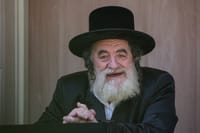
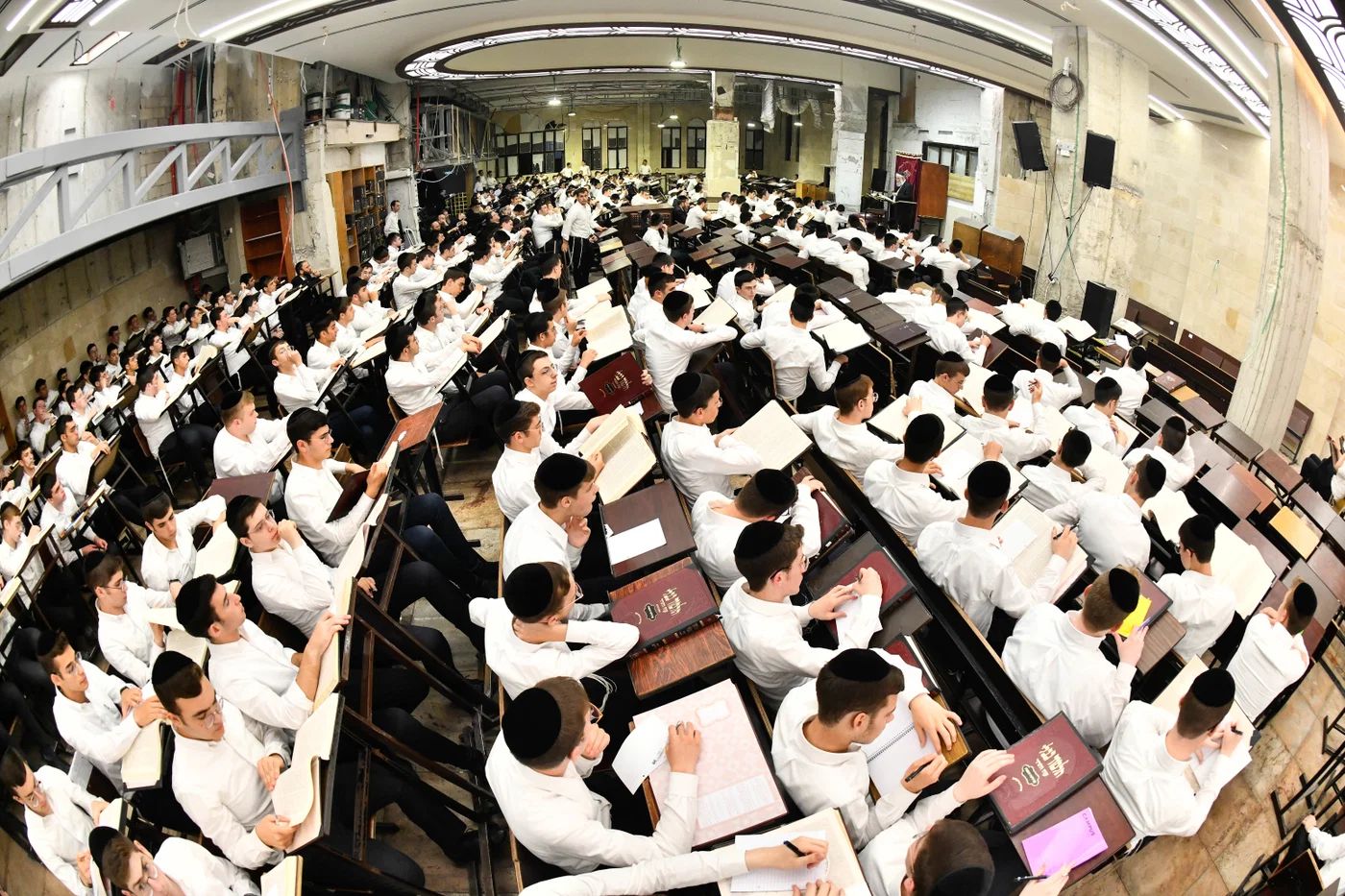
Yeshiva Bais Matisyahu
Yeshiva Bais Matisyahu (Photo: Shuki Lerrer)

The Kinneret News Lines Phenomenon

Rabbi Zilberstein's remarks appeared to reference the proliferation of kosher news services, brief audio updates delivered via phone lines that have become ubiquitous in haredi communities. These services, known colloquially as "kav ha-news" or news lines, provide condensed bulletins designed to keep Charedi men informed without exposing them to secular media.

The rabbi's criticism focused not on the content but on the timing. "He thinks he's not interrupting much, just to hear a little news, short news, quick and sharp," Rabbi Zilberstein said, mimicking the marketing language of these services. "But this thing damages. I think so. And there is no promise of the Chazon Ish."

Even as Charedi leaders have worked to create filtered news sources that align with community values, Rabbi Zilberstein suggested that any interruption of Torah study, no matter how brief or kosher, undermines the spiritual protection that study is meant to provide.

His invocation of the prophet Elisha's miraculous protection, when the prophet's servant saw mountains filled with horses and chariots of fire surrounding them, served to underscore his point. "Who are the protectors of Elisha? The Torah he learned, that's what protected him," Rabbi Zilberstein declared. "And today too, millions of pages of Gemara protect the city, except we don't have the prophet to open our eyes."

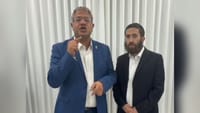
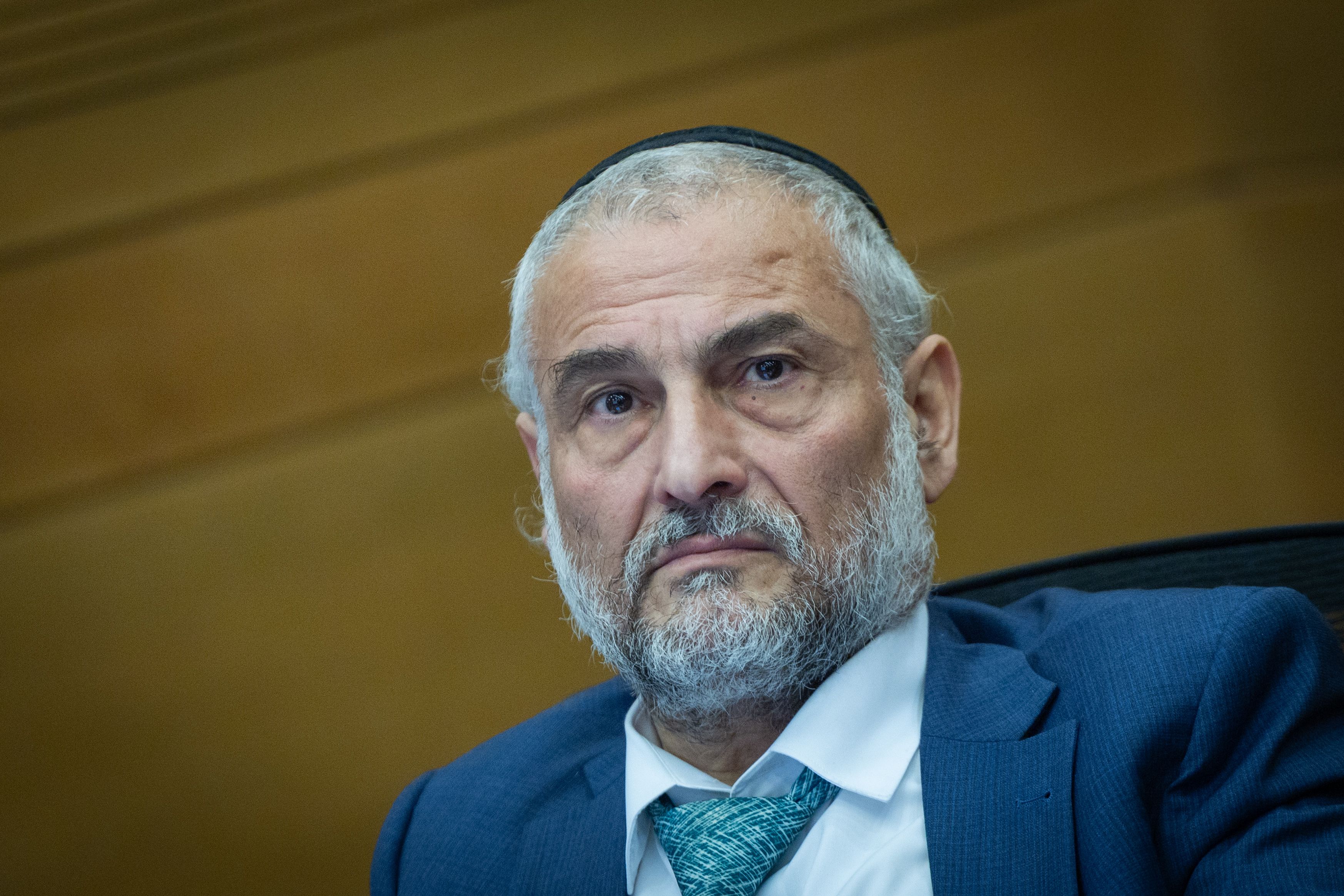
MK Moshe Abutbul attends the special committee for public inquiries at the Knesset, the Israeli Parliament in Jerusalem, on February 10, 2026.
MK Moshe Abutbul attends the special committee for public inquiries at the Knesset, the Israeli Parliament in Jerusalem, on February 10, 2026. (Yonatan Sindel/Flash90)

"To learn Torah means there are no news updates, no old updates, there's only one thing: Hashem reigns, Hashem reigns, Hashem will reign forever and ever," he concluded. "That's the answer I give to all those who ask me about the bombs that are destroying, because it's already not exactly what Hashem said."

The address has sparked intense discussion in haredi circles, with some praising Rabbi Zilberstein's uncompromising stance on Torah study and others questioning whether the explanation adequately accounts for the complex security realities facing Bnei Brak and other Israeli cities.

Ready for more?

Join our newsletter to receive updates on new articles and exclusive content.

We respect your privacy and will never share your information.