More than 200 American intelligence and military analysts are working inside Saudi command centers, selecting and analyzing targets for the Saudi-backed Yemeni forces fighting the Houthis, the New York Times reported.
The United States is also providing aerial refueling for Saudi defensive patrols, according to the report. President Donald Trump has rejected Saudi requests for direct American strikes on the Iranian-backed terror group.
The report describes a US role that goes deeper than Washington has acknowledged while stopping short of combat. Axios reported on October 2 that the US military had passed more than 200 Houthi targets to the Saudis in two weeks, and quoted a US official as saying the administration "is not going to take kinetic action for now."
Riyadh has pressed hard for more. Crown Prince Mohammed bin Salman called Trump twice on September 10 as the Houthis advanced on the port city of Mocha, first to brief him and then to urge him to order strikes, Axios reported. Trump refused. Saudi Defense Minister Prince Khalid bin Salman made a similar request to Defense Secretary Pete Hegseth.
"The United States is focused on protecting our core national security interests, such as ensuring freedom of navigation in the Red Sea, while empowering our regional partners to take the lead," a senior administration official said at the time. US officials said Trump wants to stay focused on Iran and the Strait of Hormuz and avoid opening another front.
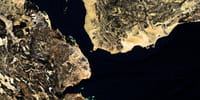
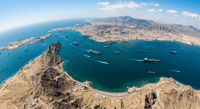
The Houthis have made major gains in recent weeks. They captured Mocha, the island of Perim at the narrowest point of the Bab el-Mandeb Strait, and the Hanish Islands, giving them and Iran control over one of the world's most important shipping lanes. Saudi-backed forces retreated as they advanced, and oil prices jumped.
Saudi Arabia and Yemeni government forces are now planning a major counteroffensive to push the Houthis back from the Red Sea coast, according to Axios.