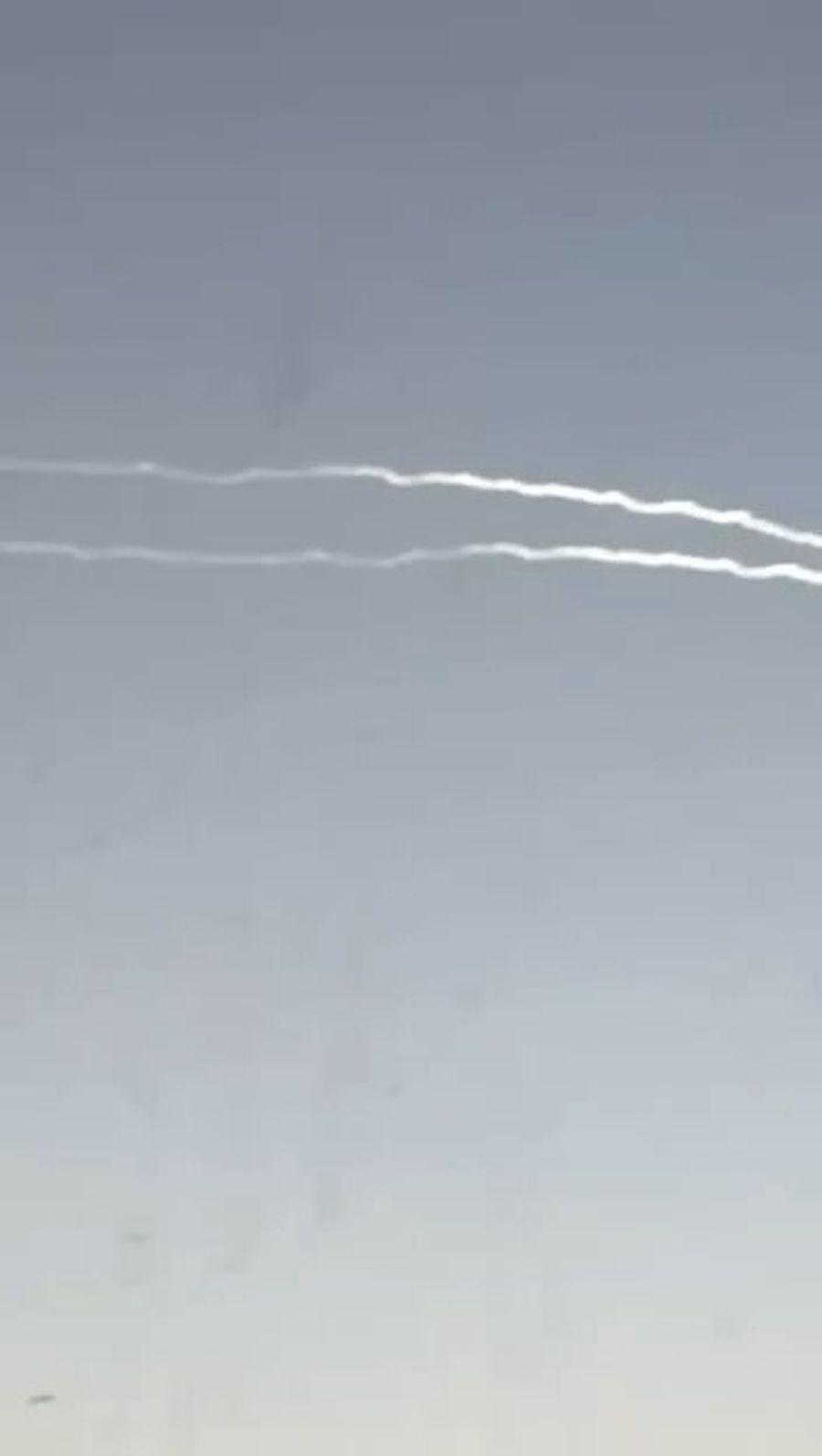
A crew member remained missing Sunday after Iran's Revolutionary Guard Corps fired on a container ship transiting the Strait of Hormuz, an attack that US Central Command said triggered a fresh round of American strikes against Iranian targets overnight.
CENTCOM said Iran "blatantly attacked" the M/V GFS Galaxy, a Cyprus-flagged container ship, as it moved through the strait. "A civilian crew member is missing and the vessel is unable to continue the journey due to an onboard fire and significant engine room damage," the command said in a statement, adding that Iran had been given "yet another opportunity to demonstrate adherence to the Memorandum of Understanding" after earlier attacks on commercial vessels, and had again failed to do so. Iran said the vessel had been moving through the strait on an "unapproved route" and had been struck by a "warning shot." The Revolutionary Guard's navy separately declared the Strait of Hormuz closed until further notice, warning that any American or allied response would be met with "severe" retaliation.
In response, American forces struck Iranian air surveillance radars, missile and drone storage facilities, launch sites, maritime surveillance radars, and ground to air missile launchers in the Strait of Hormuz area. CENTCOM said the strikes were carried out at the direction of President Trump, and Defense Secretary Pete Hegseth wrote on social media, "Iran made a poor choice. Now they pay."
The strikes were the third round the US has launched against Iran in recent days.
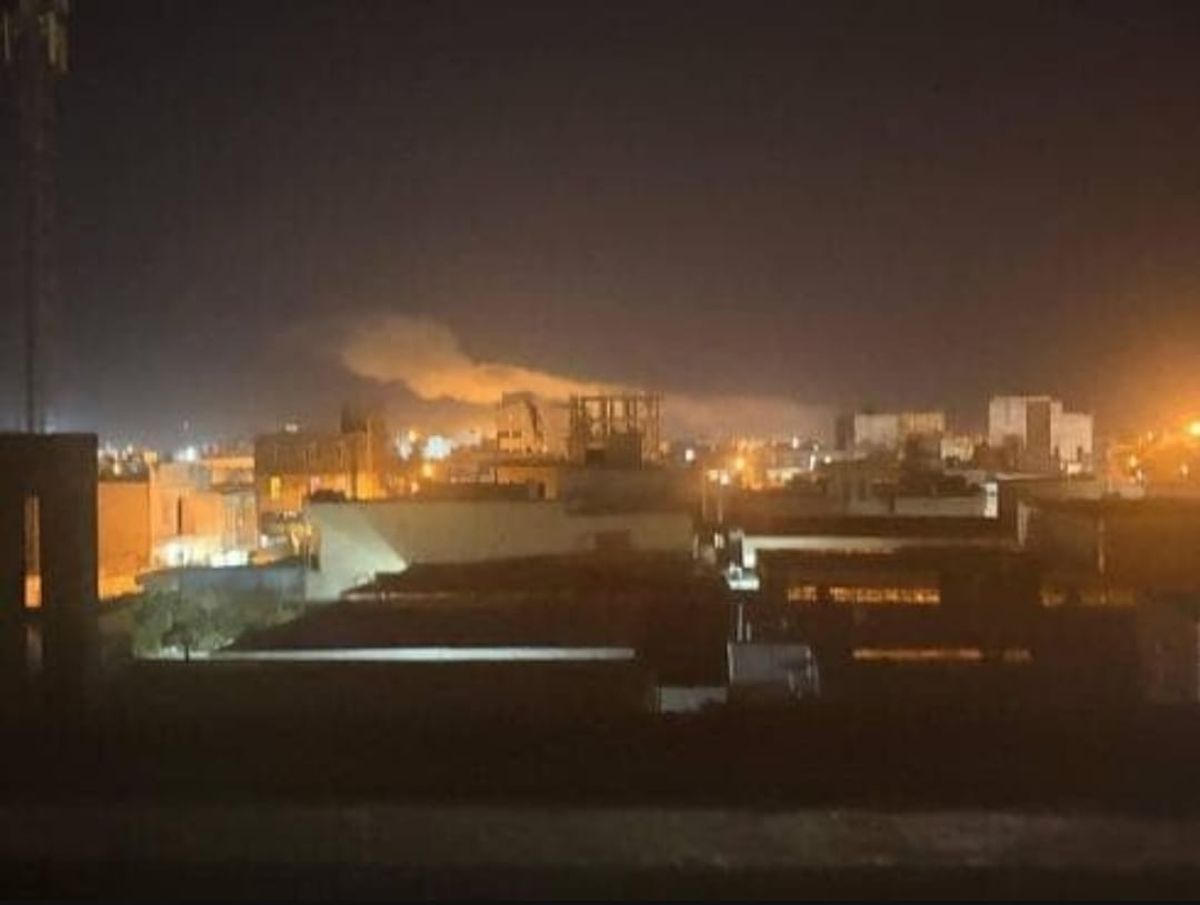
According to US Central Command, American forces used precision weapons launched from land and sea based aircraft, drones and naval vessels to hit Iranian missile and drone facilities, naval assets, ammunition storage sites, communication networks and coastal surveillance sites. Iranian state media reported explosions in Bushehr province, home to Iran's nuclear power plant, as well as on Qeshm island, and in the coastal cities of Bandar Abbas and Sirik, all located near the Strait of Hormuz. CENTCOM said the strikes brought the total number of targets hit across three consecutive nights to more than 300, and said the operation was intended to reduce Iran's ability to threaten commercial shipping through the strait. The command said commercial vessels have continued transiting the waterway despite the fighting, crediting US forces with facilitating the passage of more than 800 commercial ships and roughly 400 million barrels of crude oil since early May.
Iran's Revolutionary Guard Corps said it responded with what it called a "crushing response," striking Jordan's Prince Hassan Air Base, which is operated by the Jordanian air force and used by American forces. Iranian state broadcaster IRIB carried a statement in which the Guard claimed to have destroyed a command and control center and hangars housing MQ-9 drones at the base, though the claim has not been independently verified. The Guard said the strike was direct retaliation for the American attacks on its southern coastline and warned that any further US action would be met with a "stronger response."