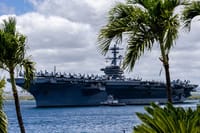
Iran is making active operational preparations to deploy a complex network of vessels in the Persian Gulf, aiming to evade United States military forces and break the newly reimposed naval blockade on its ports. According to revealing intelligence reports, these maritime maneuvers began taking shape at sea immediately following the renewal of harsh American restrictions on the regime in Tehran. The Iranian government is forced to rely on extreme smuggling methods to prevent a total economic collapse of the country, which remains desperately dependent on energy exports.
According to the latest data, 23 Iranian vessels currently operating within the Strait of Hormuz are flying false flags and utilizing advanced technological manipulations. These ships have completely turned off their location transponders to transform into ghost ships that comprise a highly sophisticated shadow fleet. 10 of these vessels are currently carrying heavy crude oil cargo, while the remaining ships are moving empty in an attempt to deceive patrolling American forces.
In addition to this, 7 massive oil tankers from the fleet in question are currently anchored in the Indian Ocean, fully loaded with crude oil and waiting for potential buyers under secretive conditions. These vessels departed the Strait of Hormuz during a recent 3 week ceasefire period, and they have now been hit with strict, renewed sanctions from the administration in Washington. Over the years, the Iranian regime has accumulated extensive experience evading international sanctions by operating financial front companies and conducting clandestine cargo swaps in the middle of the sea.
The primary customer for the smuggled Iranian oil remains China, which currently imports approximately 80% of the country's total oil exports despite direct American threats and sanctions. In one recently documented case, an Iranian tanker loaded crude oil at Kharg Island, traveled through the Basra oil terminal in Iraq to disguise the origin of the cargo, and continued to its final destination in China. This sophisticated pattern matches Tehran’s established strategy for erasing the tracks of its global trade.
The vitality of oil exports for the Iranian economy is immense, as these sales constitute roughly 50% of the regime's total government revenue. The first American naval blockade succeeded in restricting a significant portion of exports through the Strait of Hormuz, a development that dramatically worsened the internal economic crisis in Iran. As a result of the maritime stranglehold, the average inflation rate in the country soared to an unprecedented 50% over the past year, marking the highest figure since World War 2, while food inflation crossed the 100% threshold. Now, with approximately 90% of Iran's general trade passing through the waters of the Persian Gulf, the maritime battle to break the blockade has become a question of sheer survival for the leadership in Tehran.