Get our mobile app
Download on the App StoreGet it on Google Play

First confirmed sighting

Rare zebra shark filmed off Samoa

Remote camera placed 16 meters deep near Samoa's Apolima Island recorded an endangered zebra shark approaching the lens, the first verified photographic evidence the species lives in the region

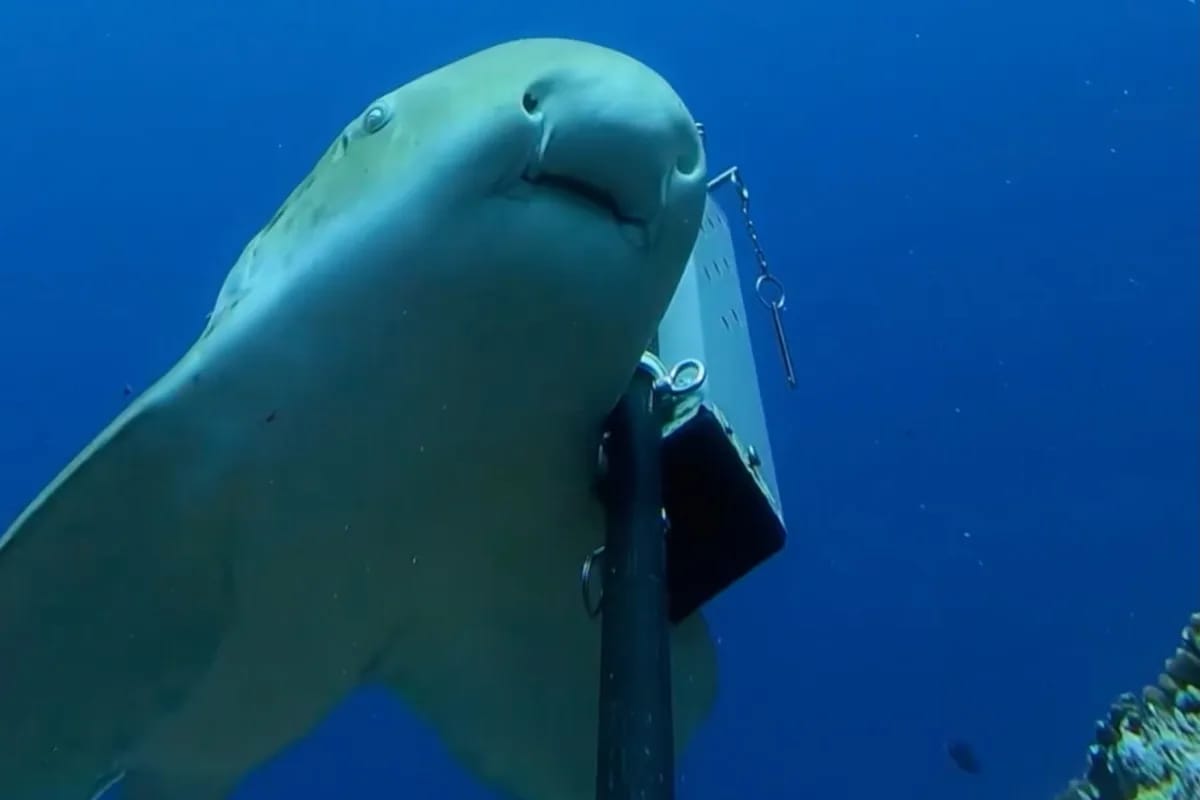
The shark emerges in front of the camera

A National Geographic Pristine Seas research expedition recorded surprising footage in Samoan waters in the Pacific Ocean: a shark of the species Stegostoma tigrinum, sometimes called a zebra shark and sometimes a leopard shark, appeared in front of an underwater camera and gave researchers what they describe as the first verified evidence of its presence in the region.

The researchers conducted marine surveys near Apolima Island, the smallest of Samoa's four inhabited islands. As part of the research, they lowered to the seafloor a remote camera system equipped with bait, known as BRUVS. The cameras remain on the bottom for about an hour and allow documentation of marine animals without the presence of divers, which could affect their behavior.

In one deployment, at a depth of about 16 meters, the shark came directly in front of the lens. For an ordinary viewer this might be just another intriguing shark encounter, but for the researchers the footage has far greater scientific significance.

According to Jett Walker, a scientist at National Geographic Pristine Seas, there are indeed old records and databases claiming the species also lives in Samoan waters, but until now they had no evidence that could be independently verified, such as a photograph, video or physical specimen. The new video provides for the first time clear documentation supporting the species' presence in the region.
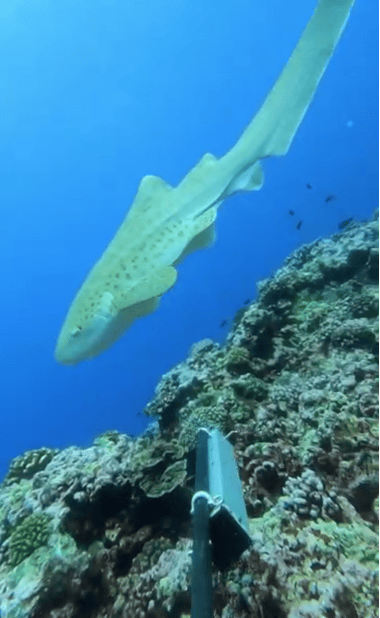

The shark swims near the camera
The shark swims near the camera (Photo: Screenshot)

The discovery is particularly significant because this is a rare and threatened species that is almost never documented in this part of the Pacific Ocean. According to the researchers, even a single camera placement can sometimes reveal unexpected information and add an important piece to the puzzle of marine animal distribution.

The Samoa expedition is part of broader activity by Pristine Seas, a National Geographic program engaged in research and protection of marine areas around the world. In 2025, Samoa announced a plan to protect about 30% of its ocean territory, and as part of the activity in the region, basic data is being collected on biodiversity that will help assess which additional areas deserve protection.

The case also demonstrates the growing importance of autonomous cameras in marine research. Instead of relying only on human observations, researchers can leave equipment in the field and allow animals to approach naturally. In this case, the rare shark did exactly that, and gave science proof that had waited years for documentation.

Ready for more?

Join our newsletter to receive updates on new articles and exclusive content.

We respect your privacy and will never share your information.

Enjoyed this article?

Yes (100%)
No (0%)
Follow Us:

Unmissable content


Loading comments...

Also of Interest