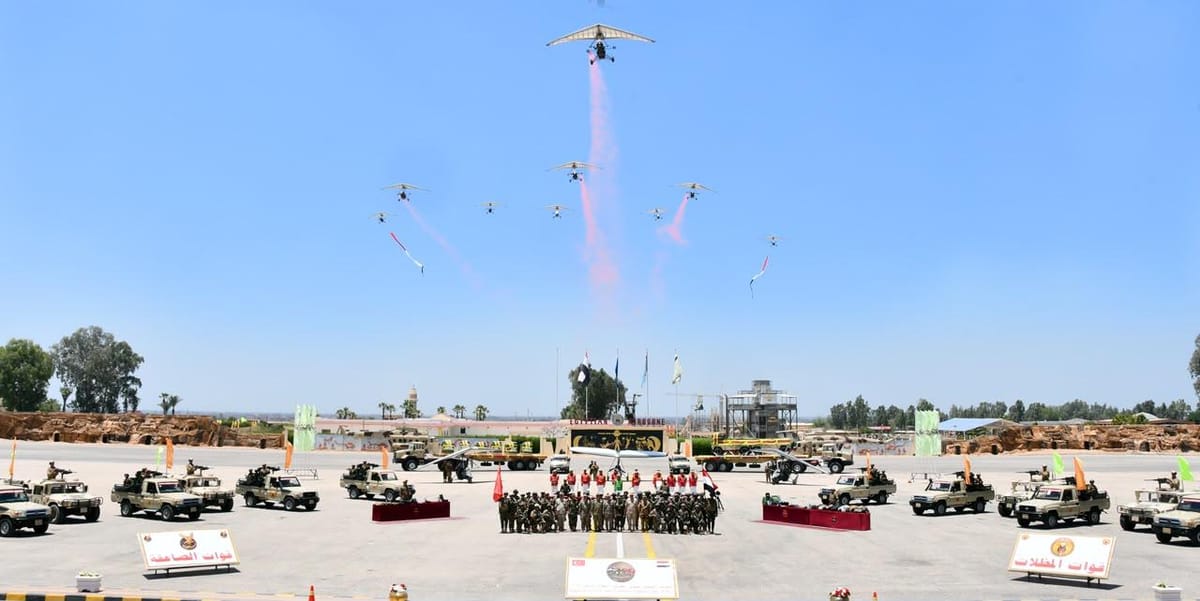
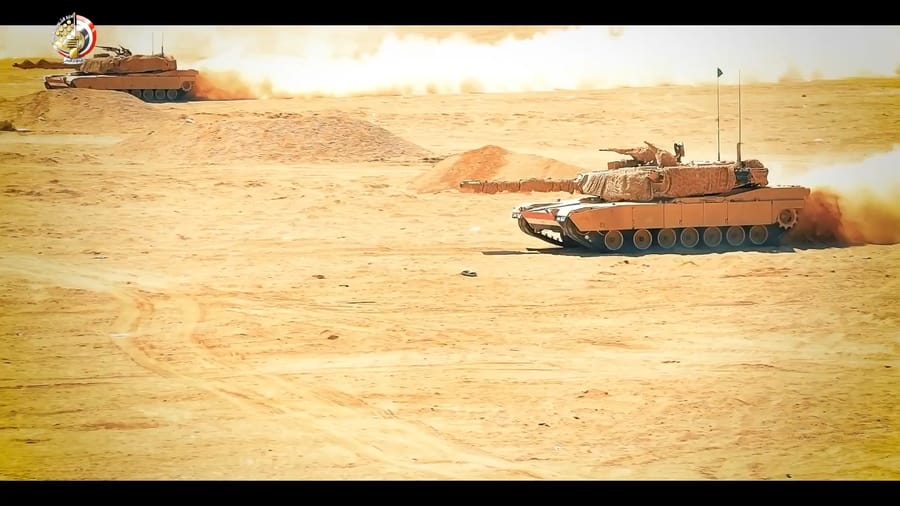
Ethiopia's military, by contrast, relies largely on older Soviet and Russian equipment, including T-72 tanks and Su-27 fighters. However, Addis Ababa has significantly upgraded its drone capabilities with Turkish-made Bayraktar TB2s and additional systems from China and the United Arab Emirates. Ethiopia also brings proven combat experience from brutal internal conflicts, partially offsetting its technological disadvantage.
The geographic barrier presents the most critical obstacle preventing direct confrontation. Between 2,000 and 2,500 kilometers separate Egypt's main bases from the Benishangul-Gumuz region where the Grand Ethiopian Renaissance Dam (GERD) stands. Such distance demands complex logistical arrangements, including aerial refueling or forward operating bases.
While Cairo has recently strengthened strategic ties with Somalia and Eritrea and maintains open channels with Sudan, executing an operation remains extraordinarily complicated. Beyond logistics, physically destroying the dam itself would be catastrophic: the concrete structure already holds massive water volumes. Complete destruction could unleash devastating floods that would obliterate entire communities in Sudan and directly threaten Egyptian territory.
According to strategic analysis based on ground conditions and infrastructure, different conflict scenarios produce starkly different outcomes. In a precision air strike, Egypt holds clear advantage, technologically feasible using cruise missiles, forward bases, or aerial refueling, with Ethiopia struggling to intercept the full assault. In prolonged or attrition warfare, Ethiopia gains decisive defensive advantage through mountainous terrain, massive manpower, and proven asymmetric warfare experience. An Egyptian ground invasion remains impossible—the lack of territorial continuity renders this purely theoretical. Proxy warfare and subversion produce an active stalemate, with both sides already applying regional pressure through various quiet channels.
Egypt could certainly deliver a painful and exceptional military blow against the dam infrastructure or other vital Ethiopian targets, but cannot subjugate the country or capture territory. Conversely, Ethiopia could absorb such a strike and continue functioning, though severe damage to GERD would constitute an enormous strategic and economic blow.
This balance of terror keeps both nations on the "cold war" path: fierce diplomatic struggle, building regional alliances, proxy conflicts, and sustained international pressure, rather than direct, comprehensive military confrontation.
Notably, Saudi Arabia recently blocked Egypt from joining a new defense alliance with Turkey and Pakistan, reflecting deep frustration with President el-Sisi's regime for insufficient support in Yemen and confrontation with Iran. This move further weakens Cairo's regional standing and limits its ability to expand military partnerships.
Additionally, U.S. Ambassador to Israel Mike Huckabee sparked controversy across the Arab world by stating in an interview that Israel has the right to control parts of lands promised in the Bible "from Egypt to the Euphrates River." His remarks drew condemnation from Egypt, Jordan, Saudi Arabia, and the Arab League, adding further tension to the volatile region.