While families across Israel continue their Sukkos routine, eating together, spending time with children, enjoying the Yom Tov, the reality on the Syrian border looks entirely different. During Chol Hamoed, Kikar Hashabbat toured the sector to see up close how soldiers of the Shimon Battalion (1200), the first haredi reserve battalion in the Hashmonaim Brigade, combine the demands of operational duty with the atmosphere of Yom Tov.
Guarding the Border
Haredi troops mark Sukkos on Syrian border
Soldiers of the Shimon Battalion in the Hashmonaim Brigade hold simchas beis hashoeva in a military sukkah, patrol the frontier and miss their children at home, all while securing the border so Am Yisrael can sleep in the sukkah in peace
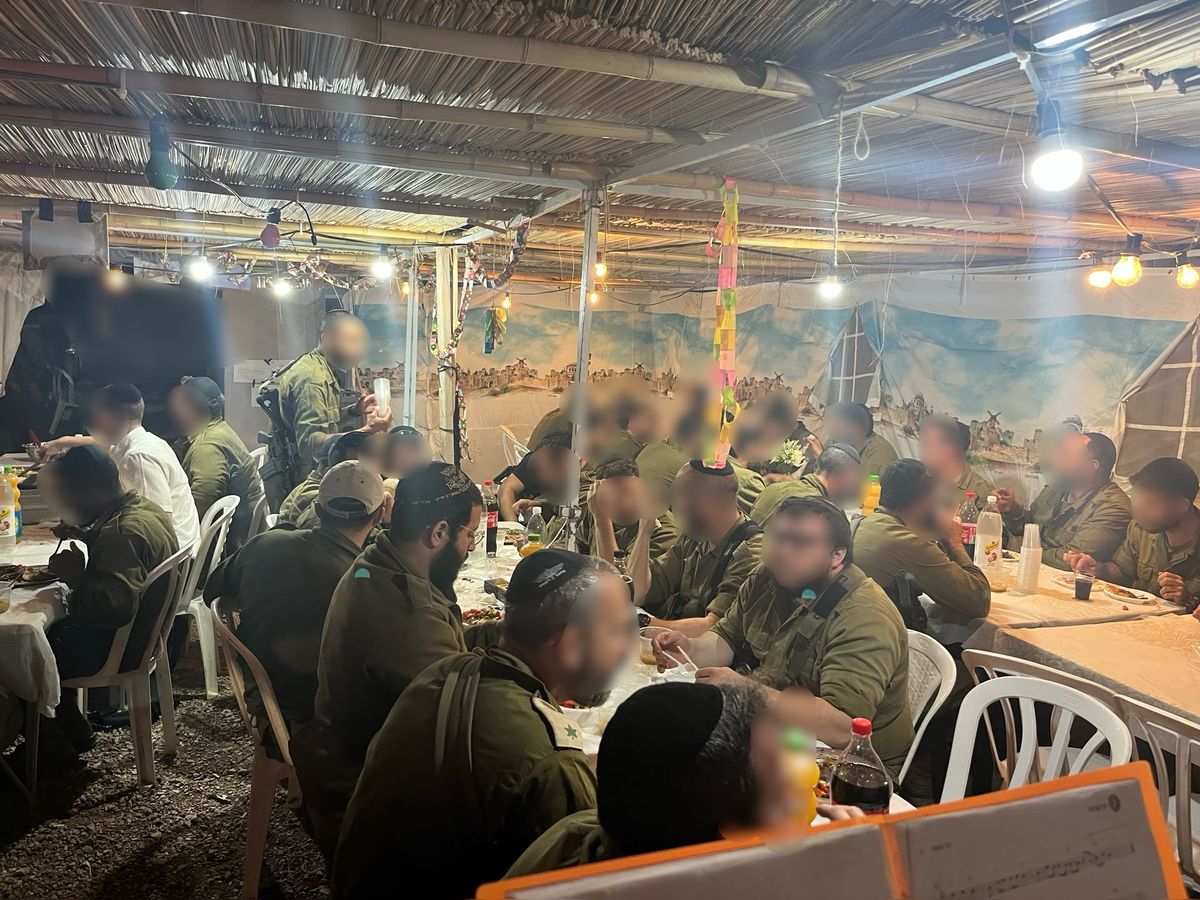
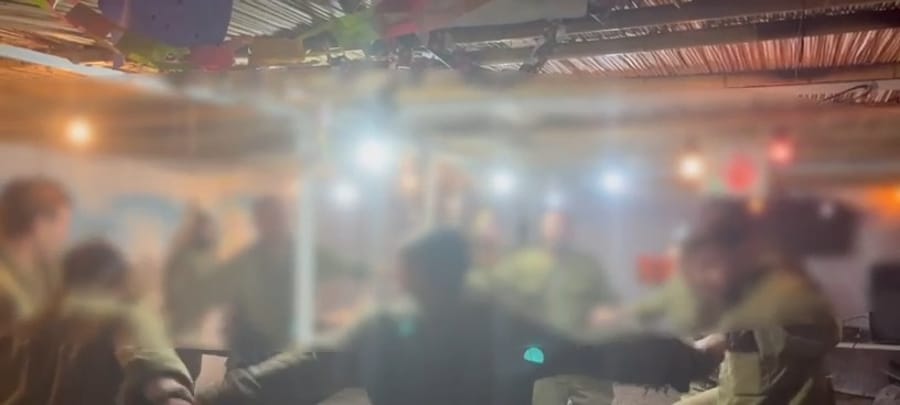
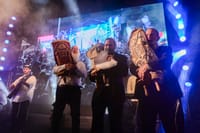
Simchas beis hashoeva in the heart of the base
Yom Tov does not stop the operational routine, but the soldiers and commanders do everything they can to create a homey, festive atmosphere. On the base, alongside guard posts and military equipment, a mehadrin-standard sukkah has been erected. The soldiers, who come from various professional backgrounds, brought their talents from home: a keyboard player, a guitarist and a singer turned the military sukkah into a place where, for a few hours at least, the simcha of Yom Tov could be felt.
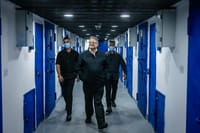
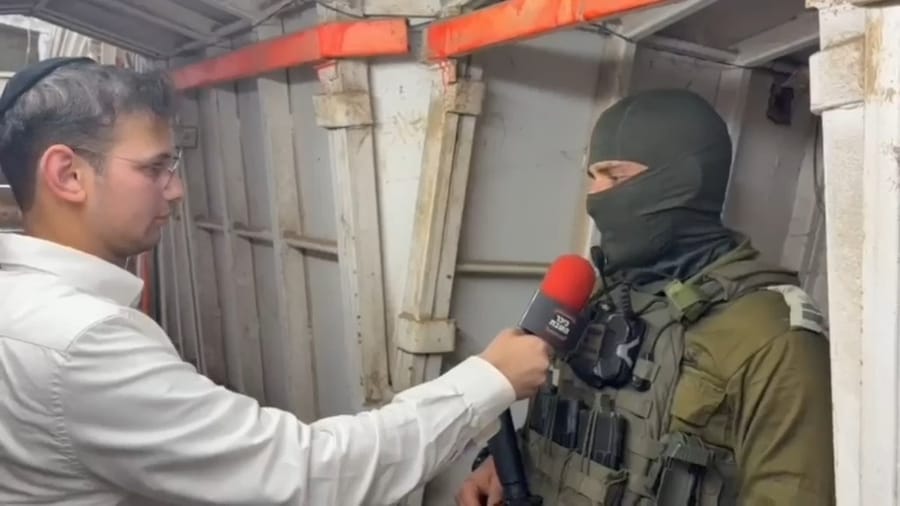
The tour also included entry into the operations room and a bunker, where the soldiers were exposed to the complex activity facing the Syrian sector. One of the commanders explained the deployment in the area, which includes patrols and constant presence aimed at maintaining control and preventing threats and approaches to the border. "The IDF is doing everything to keep the border protected," he stressed.
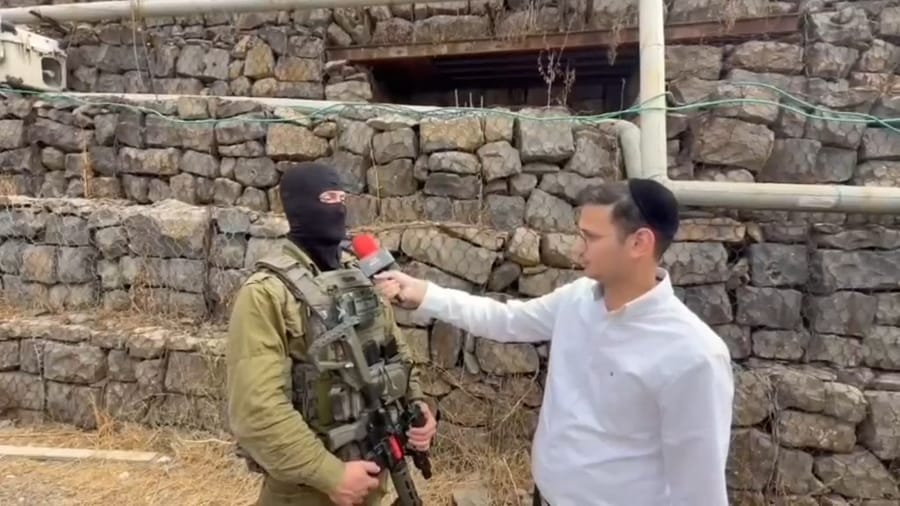
Lieutenant A., a company commander in the sector that took up position ahead of the Yom Tov period, said: "We're holding the line here, defending the area, the residents and the State of Israel. We try to conduct business as usual, both in terms of holding the operational line and in the household sense, to give people that breathing space."
The conflict of a father in reserve duty
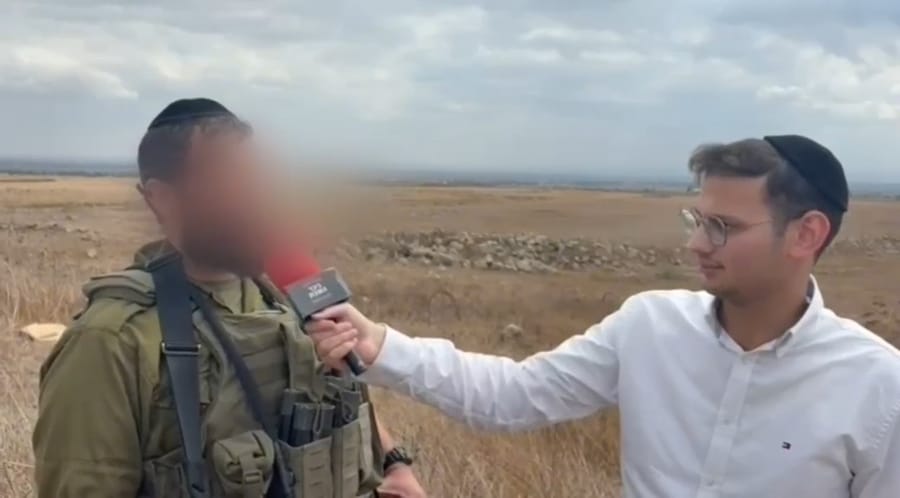
For the reservists, many of them married with children, the distance from home is felt many times over during Yom Tov. One soldier shared candidly about the complex feelings: "The whole time I'm on guard it's a kind of conflict. On the one hand I feel I'm doing the right thing, and on the other hand I know there's the family aspect, that it's hard for them to be on Yom Tov without a father." The soldiers try to explain to their children on the phone the meaning of the mission, despite the intense longing.
The commanders are well aware of the difficulty. Lieutenant A. noted that a huge effort is made to allow soldiers to go home for refreshment as much as possible during Yom Tov, without harming operational readiness and the needs of the sector.
At the end of the tour, the message that emerges from the field is clearer than ever. The soldiers who left home choose to stand at posts and on patrols out of a deep sense of mission. As Lieutenant A. sums up: "First and foremost, the Israel Defense Forces is doing everything so that Am Yisrael can go to sleep at night in the sukkah, in peace as it should be. The Hashmonaim Brigade will do everything to defend Am Yisrael and to preserve the unity. We love Am Yisrael and may there be a chag samei'ach."
Simchas beis hashoeva on the Syrian border| צילום: Photo: Kikar Hashabbat