Sharp Escalation

Iran Strikes Jordan; US Hits Nuclear Site

US forces struck Iran's Bushehr nuclear facility in broad daylight after hitting a strategic bridge • Iran fired five missiles at American base in Jordan, expanding strike range | Israel prepares for possible Iranian escalation (World News)

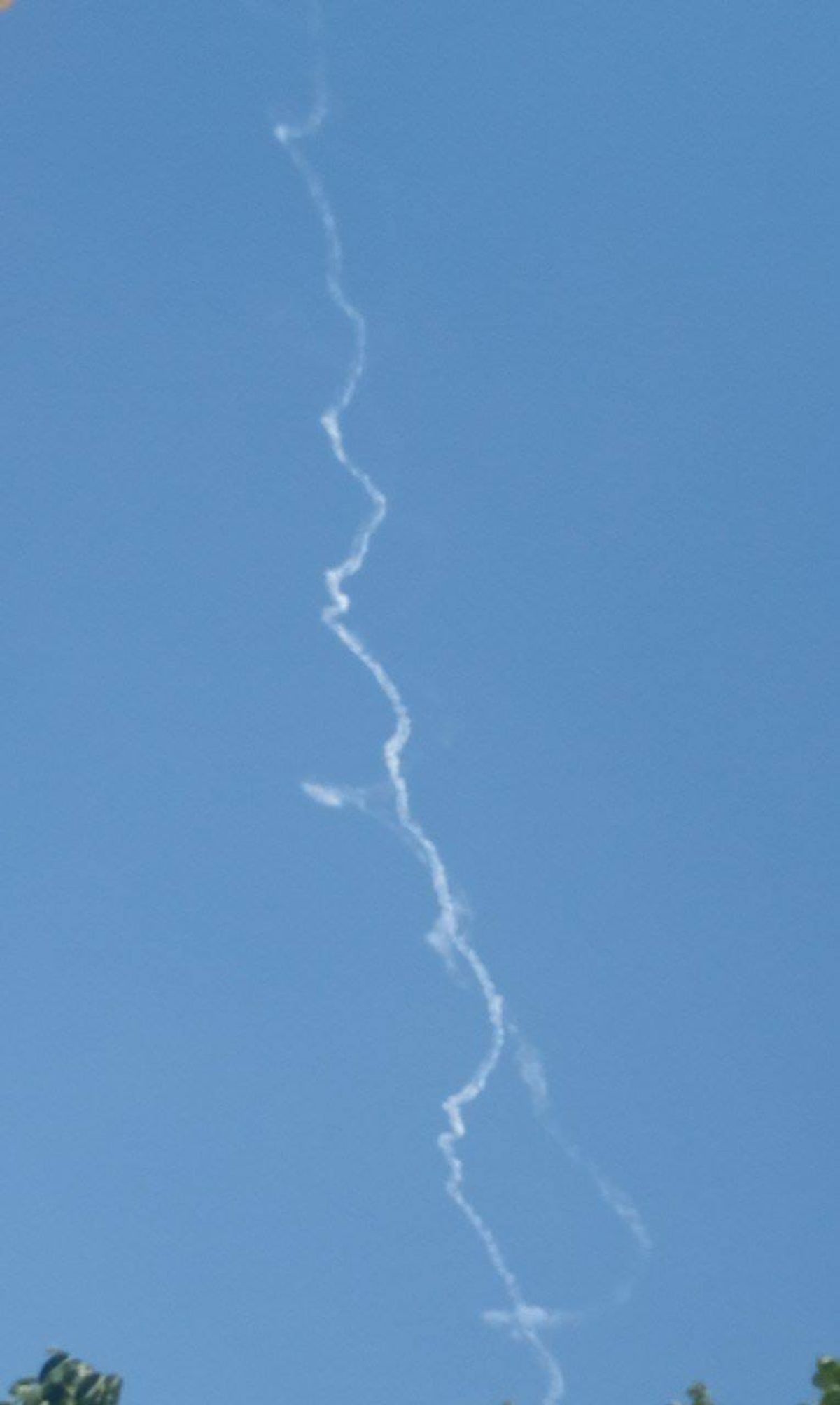
Iranian missiles en route to US bases in Jordan

Israeli security officials confirmed Thursday that the country is preparing for the possibility that Iran will expand its missile strikes to include Israeli territory, following a series of American strikes on Iranian infrastructure that appear to signal the collapse of the Lucerne ceasefire memorandum signed just weeks ago.

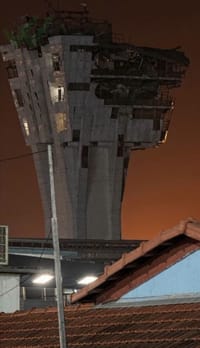
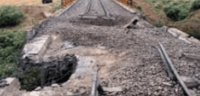
The preparations came as the United States conducted an unprecedented daytime strike on the area surrounding Iran's Bushehr nuclear power station Thursday afternoon, marking the second daylight attack in a matter of hours and the deepest penetration into Iranian territory since hostilities resumed this week. The strike followed an earlier American attack on a strategic bridge in northern Iran, in what appears to be a significant expansion of Washington's target set beyond the immediate vicinity of the Strait of Hormuz.

According to Iranian state media reports cited by CNN, residents of the city of Chaghdak near Bushehr "heard the sounds of multiple explosions" in the early afternoon hours local time. The semi-official Fars News Agency reported the strike, though it remained unclear at press time whether there was any risk of a radiation leak from the facility.
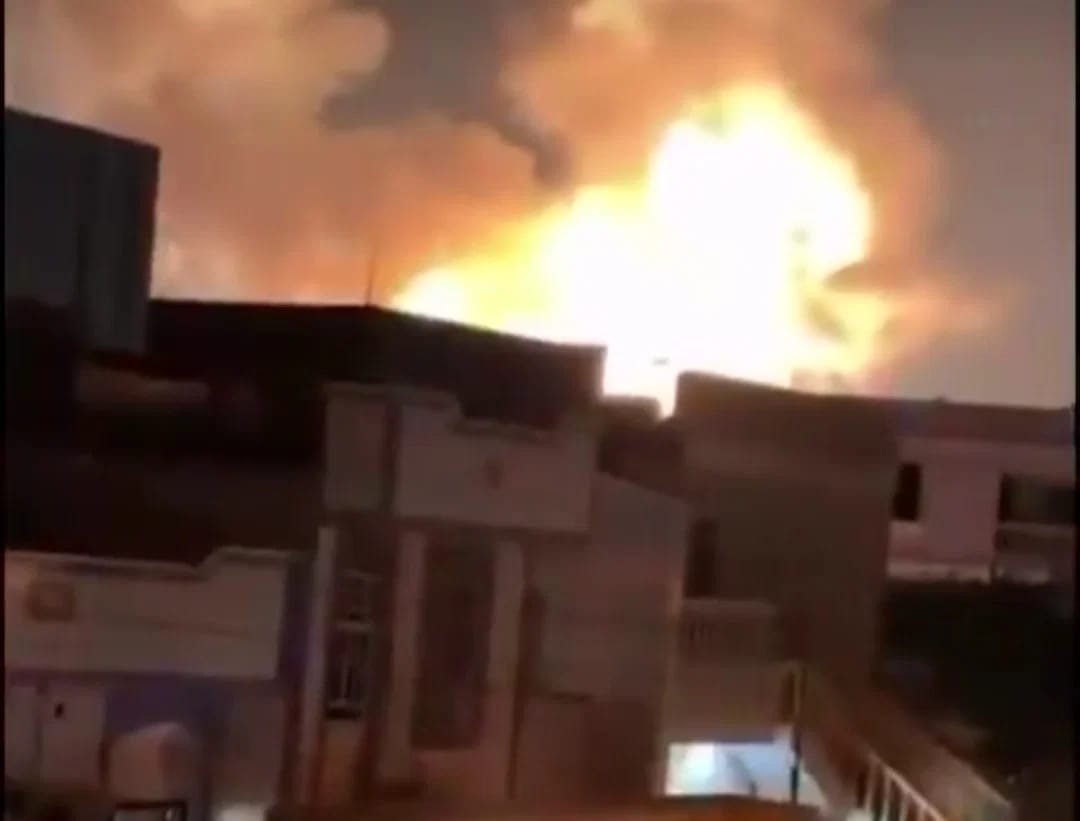

US attacks Iran, July 9 2026

In what appears to be a direct response to the American strikes, Iran fired five ballistic missiles at a US military base in Jordan, significantly expanding the geographic range of its retaliation beyond the Gulf states that had been targeted in previous exchanges. The strike on Jordan marks the first time Tehran has directed fire at American positions outside the immediate Persian Gulf theater since the current round of fighting began.

The Kuwaiti military reported that one person was injured by falling debris after Iranian forces launched three ballistic missiles, one cruise missile, and ten drones toward Kuwait, all of which were successfully intercepted. The interceptions left material damage on the ground, according to a statement from Kuwait's armed forces. Neighboring Bahrain similarly confirmed that its air defense systems intercepted an Iranian missile and drone attack Thursday morning, though officials provided no additional details.

Israeli defense officials, speaking on condition of anonymity, stated that the working assumption in Jerusalem is that Iran does not wish to draw Israel into the equation, fearing an extreme Israeli response. However, the officials acknowledged that the Lucerne memorandum of understanding signed between Washington and Tehran has not been accepted by all factions within Iran's ruling establishment.

American and Israeli analysts have noted that hardline elements within Iran's Islamic Revolutionary Guard Corps and the country's religious leadership have been pushing to cancel the ceasefire agreement entirely. A New York Times report this week detailed a widening rift between pragmatic Iranian officials seeking to preserve the ceasefire and hardliners openly attacking the negotiating team, a divide that spilled into hostile confrontations during funeral processions for slain Supreme Leader Ali Khamenei.

The current situation represents a dramatic shift from the relative calm that followed the June ceasefire. With the United States now conducting strikes on Iranian infrastructure in broad daylight — including a railway bridge used for transporting goods between Iran, China, and Russia — the voices of those calling for a return to full-scale combat may gain traction within Tehran's fractured leadership.

Israeli officials emphasized that while the assumption remains that Iran will seek to avoid direct confrontation with Israel, the rapidly deteriorating situation leaves open the possibility that pragmatic voices in Tehran may lose control to more radical elements demanding retaliation against all parties involved in the American campaign.

Further updates to follow as the situation develops.

Ready for more?

Join our newsletter to receive updates on new articles and exclusive content.

We respect your privacy and will never share your information.

Enjoyed this article?

Yes (28)
No (1)
Follow Us:

Unmissable content


Loading comments...

Also of Interest