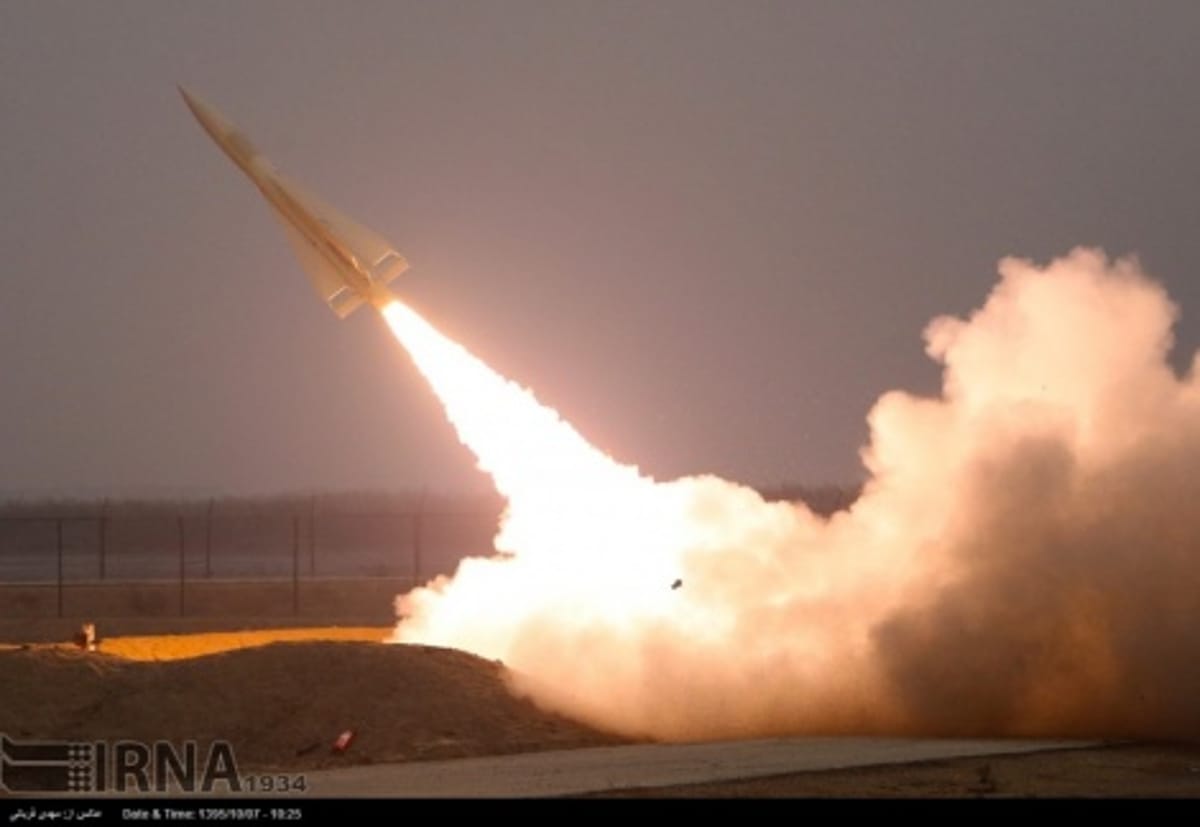
A deliberate Iranian military strategy is successfully challenging American forces in the Middle East by overwhelming air defense systems with coordinated waves of drones and missiles, according to a New York Times investigation.
Tehran has developed tactics that combine missiles capable of sudden course changes with swarms of unmanned aerial vehicles, forcing U.S. forces to expend enormous quantities of expensive Patriot interceptor missiles to counter the attacks.
The strategy reached a critical point during a five-day assault on three American bases in Jordan, including the Muwaffaq al-Salti facility. On the fifth day of intensive bombardment—July 17—an Iranian missile penetrated the defensive perimeter and struck vulnerable structures, killing three American soldiers, wounding more than 100 others, and damaging aircraft. Secretary of State Marco Rubio acknowledged the incident, stating: "We fired almost all the missiles, one leaked through."
American stockpiles have reached critical levels. According to informed sources, the U.S. has fired more than 1,500 Patriot missiles since the conflict began, leaving fewer than 1,700 interceptors remaining. Meanwhile, production for all of 2025 is expected to yield only about 600 interceptors. During a single day of combat in Jordan, forces launched approximately 50 Patriot interceptors, each costing around $4 million.
Seth G. Jones of the Center for Strategic and International Studies explained: "The Iranians are making it harder for air defense when you have a range of missiles and drones that are also coming in together. They are effectively exploiting the Russian tactic to make defense more difficult across the Gulf."
The detection and targeting capabilities of drone swarms were demonstrated in April when Iran used them to locate an American F-15E fighter jet over southern Iran. The drones provided precise targeting data, location, and speed, leading to the aircraft's downing by a shoulder-fired missile after systems provided only half a second of warning. The incident prompted President Trump to declare a temporary pause in combat operations to adjust American tactics.
Despite War Secretary Pete Hegseth's April declaration that Iran's missile program had been "functionally destroyed," Iran has rebuilt underground sites, disrupted shipping in the Strait of Hormuz, and transferred nuclear program components to an underground bunker more than 300 feet deep known as "Hammer Mountain." Professor Vali Nasr of Johns Hopkins School of Advanced International Studies noted: "Where are they? It's not like they're sitting in a place you can bomb. You don't find them."
The depletion of stockpiles and expanded fighting through Houthi forces in Yemen and militias in Iraq have created policy consequences. President Trump halted planned strikes following warnings from Saudi Crown Prince Mohammed bin Salman and Gulf leaders about potential Iranian attacks on energy infrastructure.
In Washington, officials are attempting to project normalcy. Pentagon spokesman Sean Parnell stated: "Claims about American ammunition shortages are false. When the fake news media irresponsibly inflates these lies, the real-world result is clear: our enemies are emboldened to provoke—or attack—American forces."