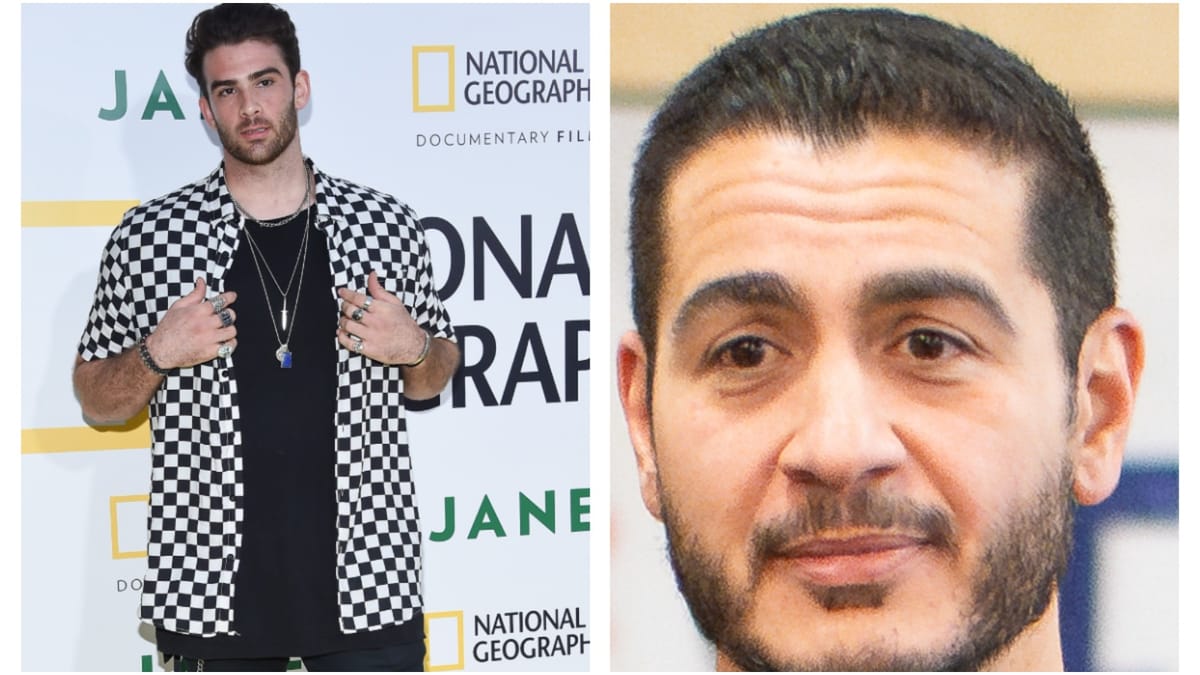
Abdul El-Sayed has won Michigan's hotly contested Democratic Senate primary, claiming victory over Rep. Haley Stevens in a narrow race that defied nearly $65 million in outside spending and establishment endorsements aligned against him. The victory establishes what progressives are calling a Midwest beachhead for the left, as El-Sayed will now face Republican Mike Rogers in November in a race widely expected to determine Senate control.
El-Sayed, a former public health official with Rhodes Scholar credentials, overcame endorsements from Gov. Gretchen Whitmer and an advertising onslaught funded largely by organizations supportive of Israel to win by less than one percentage point. His campaign explicitly embraced new media as its political infrastructure, however, partnering prominently with Hasan Piker, a controversial far-left Twitch streamer with a significant following among younger voters. That alliance has now become a flashpoint within Democratic circles, threatening to complicate El-Sayed's path in the general election.
The Campaign Coalition
El-Sayed built his primary victory on a coalition that included labor support (winning a coveted endorsement from the United Auto Workers), young progressives, and anti-establishment voters frustrated with outside money in politics. He campaigned alongside U.S. Sen. Bernie Sanders and U.S. Rep. Alexandria Ocasio-Cortez, appealing to voters with calls to end corporate influence and pass Medicare for All. But it was his association with Piker that drew sustained fire from both Republicans and segments of the Democratic Party.
In April, Piker appeared with El-Sayed at the University of Michigan and Michigan State University. According to reporting from Bridge Michigan, hundreds of young people stood in lines stretching outside venues. Rep. Debbie Dingell, who attended one event, said she had not seen a crowd like it at a political event that year. The visible enthusiasm illustrated something political operatives are increasingly recognizing, the Jerusalem Post reported: younger American voters are receiving their political education through streamers rather than traditional news media.
The Controversial Clips
Widely circulated short videos have attributed controversial statements to Piker, including a line about not caring what Black people think on policy matters and a reference to "a better time, when lynchings were happening." Piker's defenders note these clips strip away context. The first statement, according to fuller transcripts, came from a critique of using racial identity as an epistemological shield in immigration debates, not a blanket dismissal of Black political priorities. The lynching comment, supporters argue, was hyperbole or a reading of hostile chat messages, though the fuller context remains contested.
Nonetheless, the clips have been weaponized by conservative opponents. The National Republican Senatorial Committee, Sen. Ted Cruz, and Fox News commentator Scott Jennings have amplified decontextualized versions of Piker's remarks to argue that El-Sayed's association shows poor judgment. Jennings characterized one clip as Piker saying the U.S. should "resume lynchings against black people," a framing critics say distorts the original statement.
El-Sayed, when pressed on Piker's 2019 comment that "America deserved 9/11," called the remark "dumb" but declined to fully disavow the streamer. On Fox News, El-Sayed said appearing alongside someone does not mean endorsing all their views. "When did we start bending to cancel culture?" he asked, defending his willingness to campaign "with anyone anywhere" to build political support.