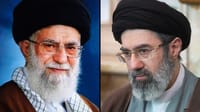
Iran's newly installed Supreme Leader, Mojtaba Khamenei, has announced a sweeping reorganization of the Islamic Republic's security leadership, according to regime-affiliated channels. The appointments represent more than routine personnel changes—they signal the construction of what observers are calling a "war cabinet" composed of the most experienced and hardline commanders from the Islamic Revolutionary Guard Corps (IRGC). The restructuring appears designed to ensure regime survival and escalate confrontation with the West. Ali Abdollahi has been named Chief of Staff of the Armed Forces. Abdollahi is a familiar figure in Iran's military establishment, having previously commanded the Khatam al-Anbiya Construction Headquarters, the body responsible for coordinating wartime operations.
Iran Appoints Hardline Military Leadership
Mojtaba Khamenei installs Interpol-wanted commanders and missile architects in key security posts as Tehran restructures its military command
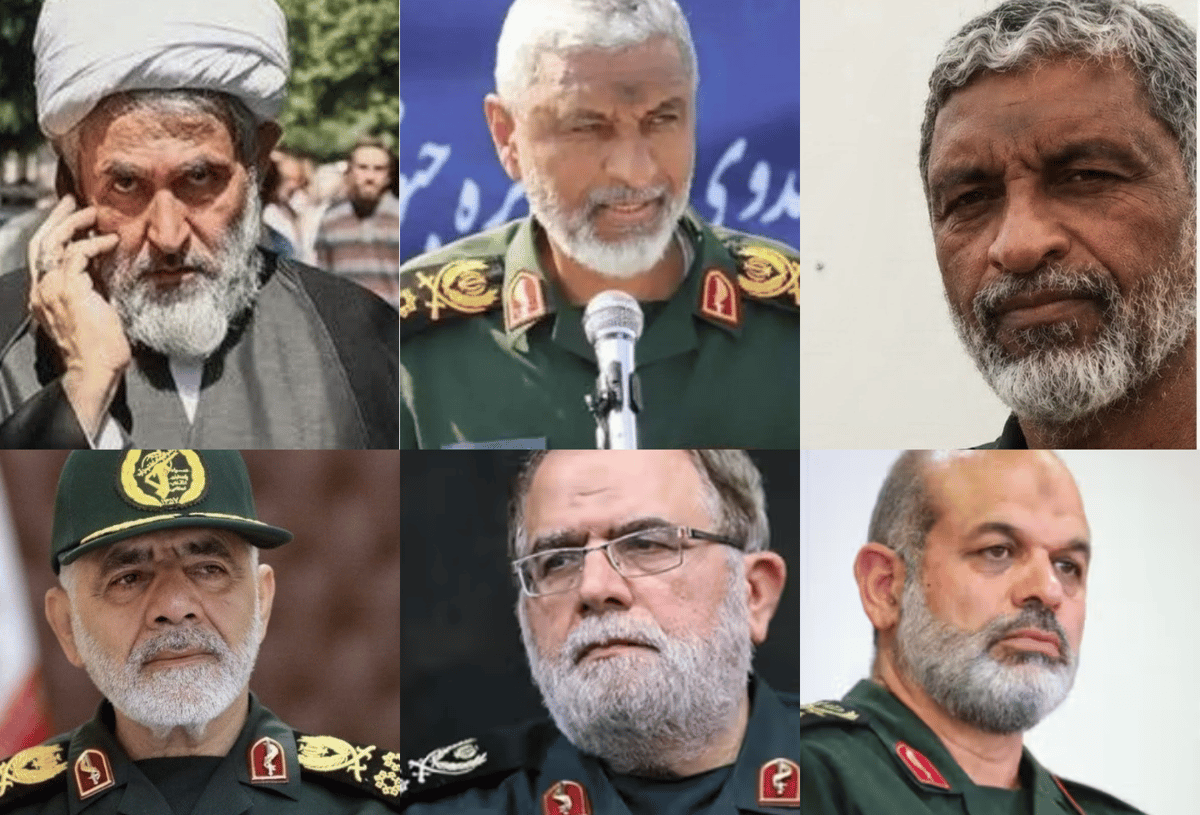
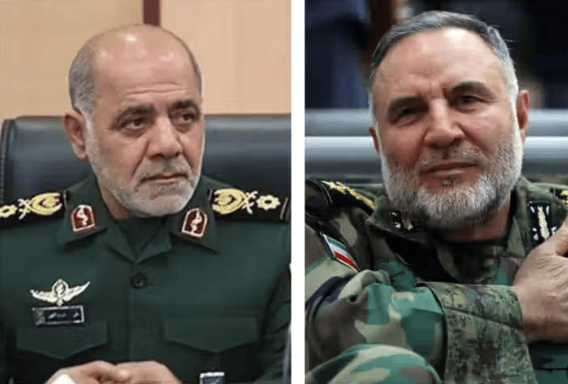
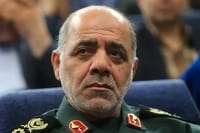
Abdollahi is considered the architect behind Iran's ballistic missile program and the strategic use of the Strait of Hormuz as military leverage. Khamenei has also ordered him to merge the General Staff with the Supreme Operations Command, indicating a shift toward a more centralized and aggressive command structure. Ahmad Vahidi has been appointed Supreme Commander of the Revolutionary Guards and promoted to the rank of Major General. Vahidi, who is wanted by Interpol, fills the position left vacant by Mohammad Pakpour, who was killed early in the current conflict. Vahidi will be joined by Mostafa Izadi as his deputy, an officer who previously led the Cyber Warfare Command and emerging threats division.
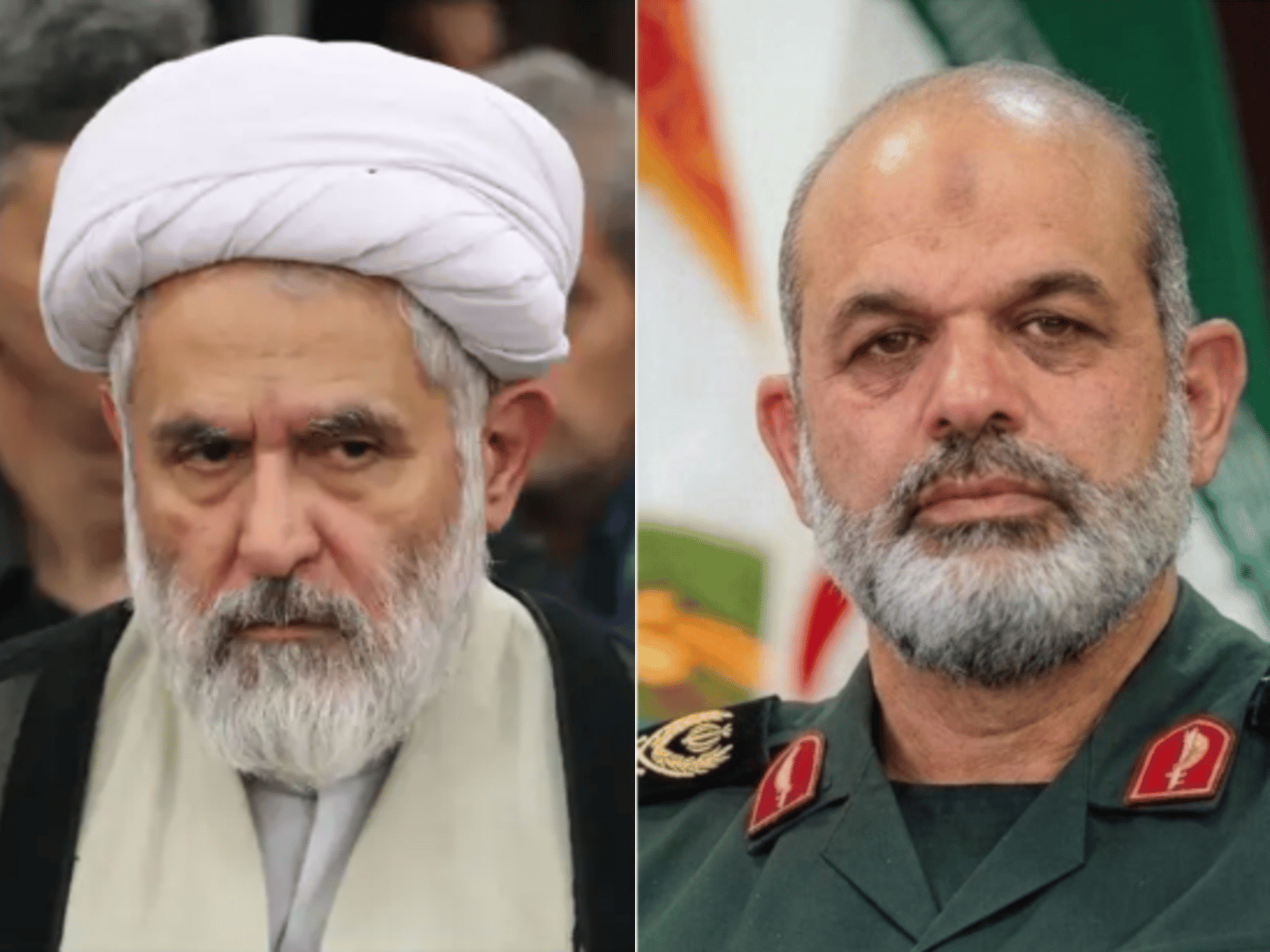
The most concerning appointment for Western intelligence agencies is the return of Hossein Taeb to an operational role as commander of the Basij, the paramilitary force responsible for internal suppression. Taeb headed the IRGC's Intelligence Organization for a decade before being dismissed in 2022 following a series of security failures attributed to Israeli operations. His return to a central position signals Khamenei's concern not only about external attacks but also about the possibility of popular uprising. Mohsen Rezaei, one of the most extreme and veteran figures in the Iranian establishment, has been appointed Secretary of the Supreme National Security Council. Rezaei, who commanded the IRGC during the Iran-Iraq War, is known for his hawkish positions against any negotiation with the United States. He has previously stated that an American invasion would be "wonderful" because it would allow Iran to take thousands of hostages and demand billions in ransom.
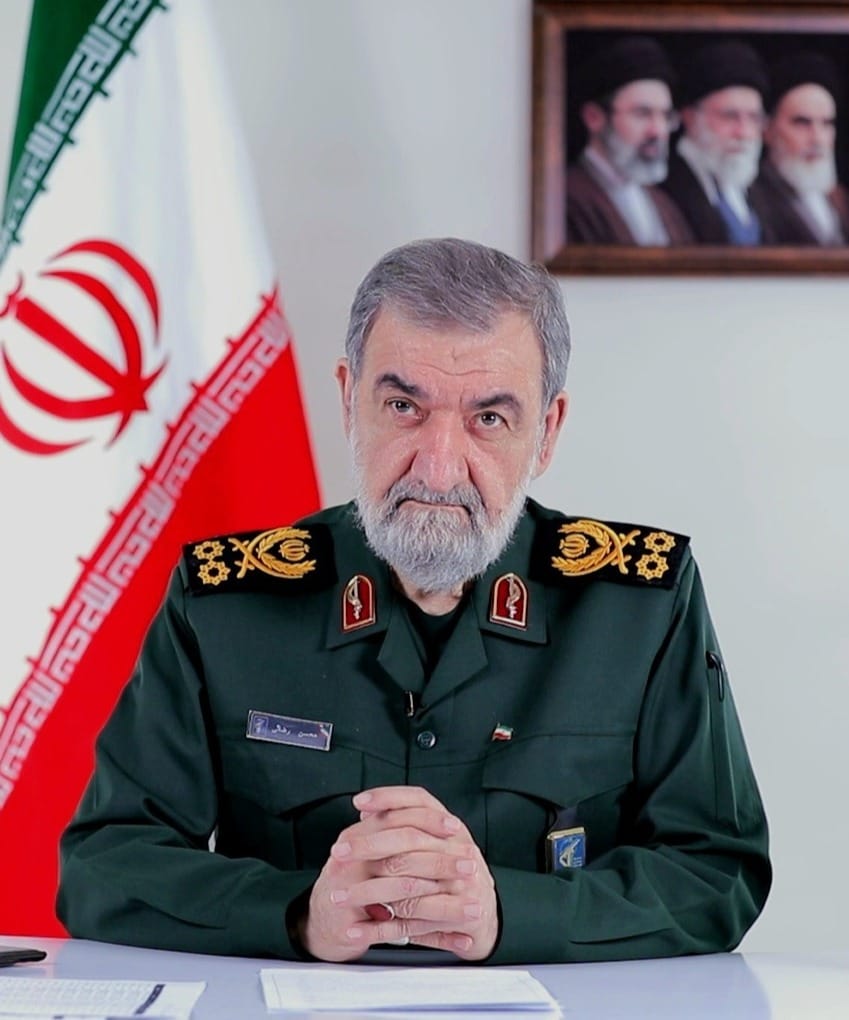
Despite the attempt to project control, sources indicate that Tehran continues to suffer from "critical intelligence gaps." Key positions in intelligence organizations remain unfilled following the elimination of agency heads in airstrikes.
Additionally, the Defense and Intelligence ministries are being run by acting officials, since ministerial appointments require parliamentary approval and are constitutionally more complex than military orders issued by the Supreme Leader.
Not coincidentally, the United States has been careful not to underestimate the regime's capabilities, as reported in recent days. New documentation claims that President Donald Trump was secretly evacuated from Air Force One via a catering truck at Ankara airport due to concerns about an Iranian plot against him. Minutes after being seen boarding the presidential aircraft, Trump was reportedly transferred covertly to a U.S. Air Force C-32A, while Air Force One took off as a decoy with White House staff and press aboard, unaware of the aircraft switch.
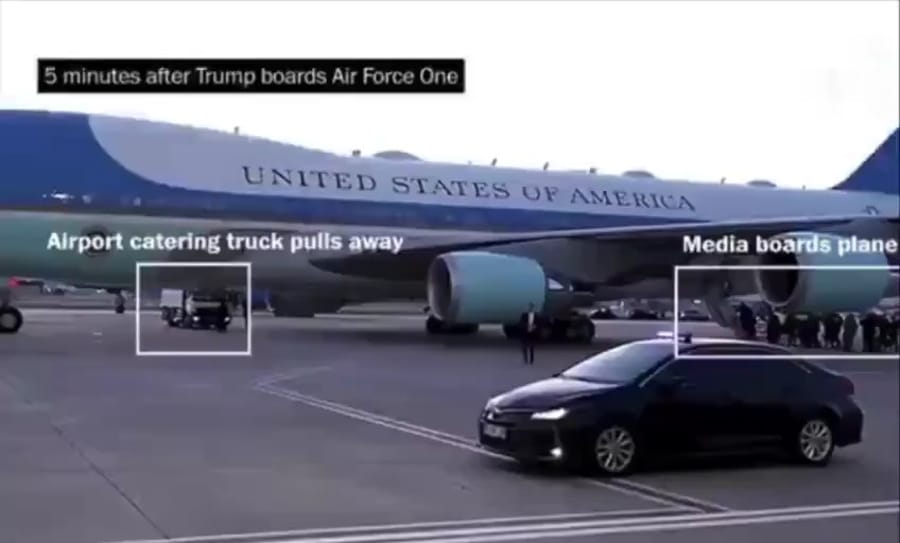
The maneuver, if confirmed, offers a rare glimpse into Secret Service deception and security tactics in response to a state-sponsored threat.