Get our mobile app
Download on the App StoreGet it on Google Play

As Diplomatic Window Closes

Iran Rebuilt Military During Ceasefire

Wall Street Journal report reveals Tehran accelerated missile production and appointed hardline commanders while 60-day memorandum of understanding was in effect

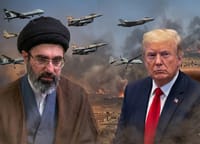
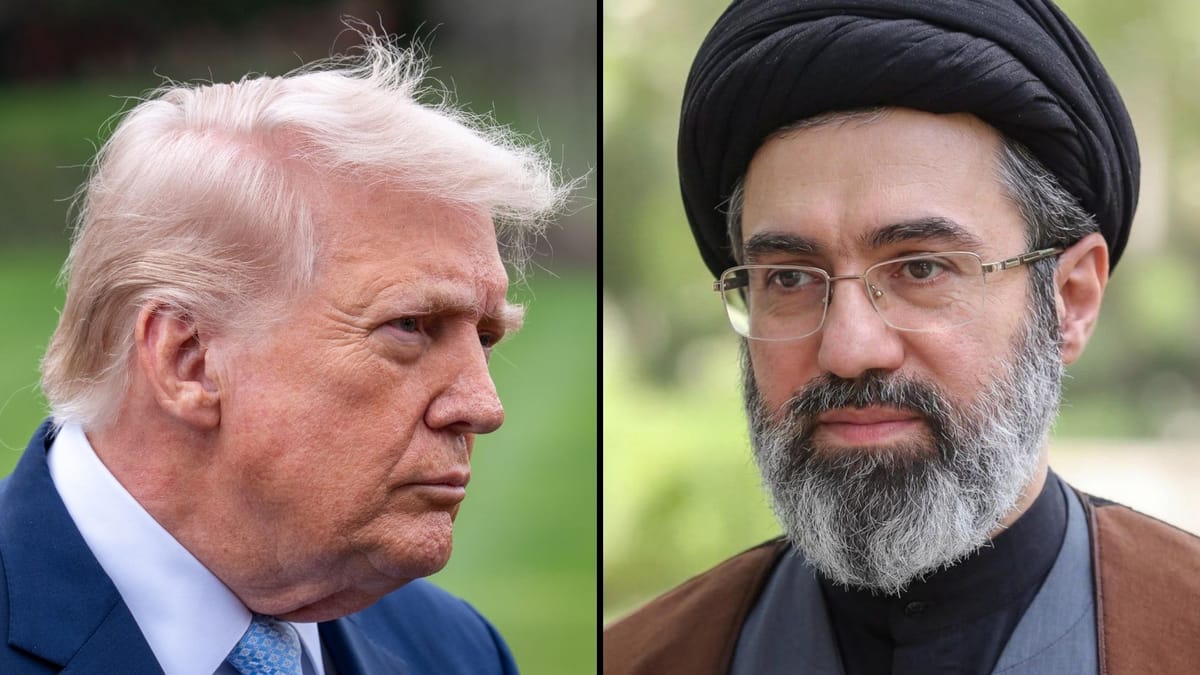
On the right is Supreme Leader Khamenei, on the left is US President Donald Trump.

Iran exploited the period following the signing of a memorandum of understanding to rapidly rebuild its missile infrastructure and prepare for broader military confrontation, according to a dramatic report published in the Wall Street Journal. Intelligence gathered by Arab states indicates that control over offensive operations has been transferred to hardline elements in the leadership, headed by Mojtaba Khamenei, who are working to expand fighting across the region.

Iranian preparations include accelerating the production rate of missiles and drones, appointing commanders with combat experience to key positions, and tightening coordination with militias in Iraq and Yemen. The Islamic Revolutionary Guard Corps (IRGC) is working to expand the battlefield to the Red Sea and threaten energy facilities and shipping lanes in the Persian Gulf, while transferring detailed target lists and intelligence information to Houthi militants.
"We Made Full Use of the Ceasefire Period"

IRGC spokesman Hussein Mohebi addressed these steps, stating that "we made full use of the ceasefire period." In an interview, Mohebi clarified that "we improved our capabilities, accelerated our missile production rate, and improved missile accuracy." These statements illustrate how Iran pursued an arms race while the United States sought peace.

Defense analyst Mohammad Hassan Sangtrash noted that "there is also a widespread view in Iran that the main war has not yet begun." According to him, "what we have seen so far is increasingly interpreted through the lens of 'salami slicing' tactics, limited and gradual escalation designed to weaken capabilities before a larger confrontation."

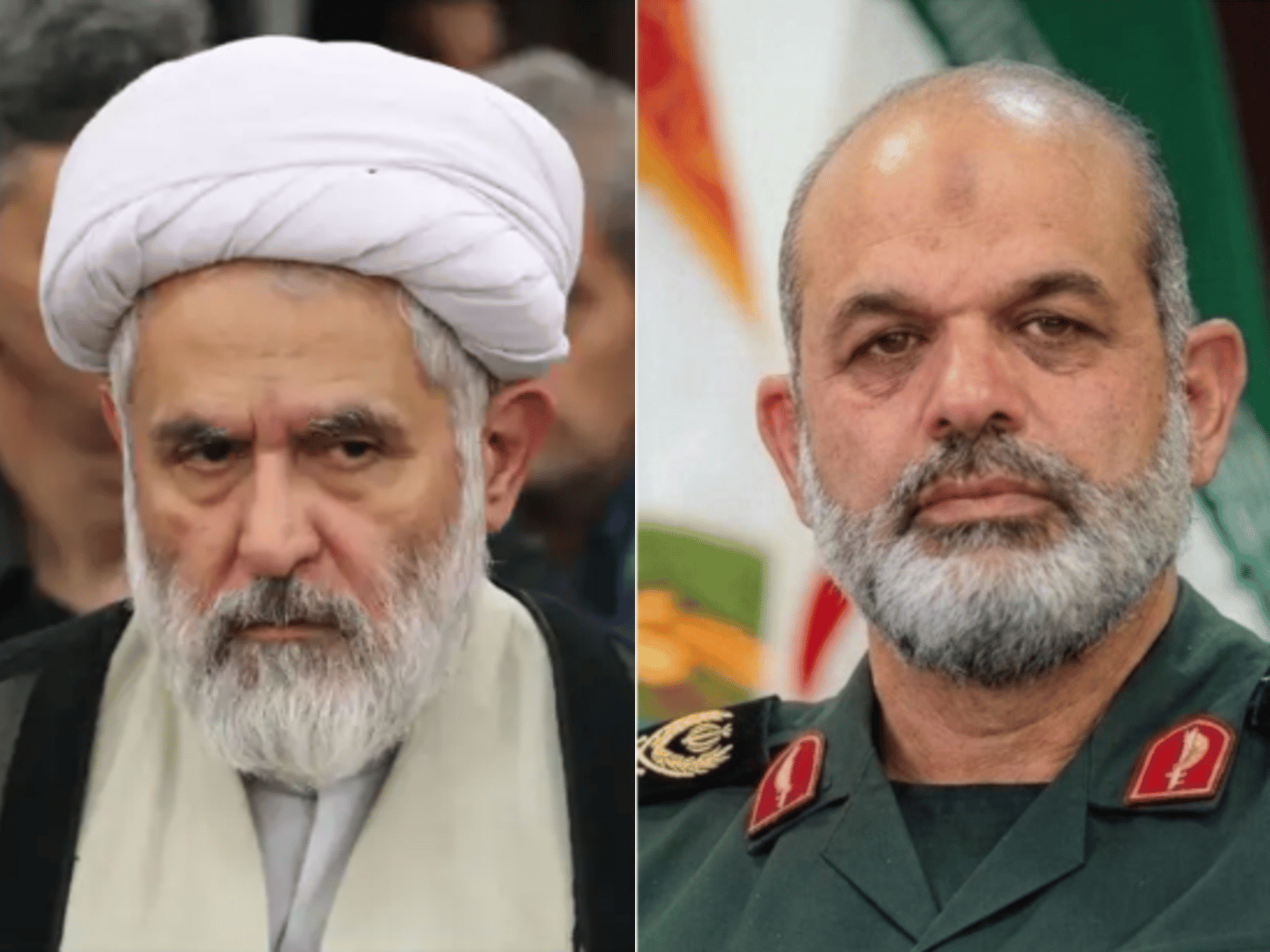
Right: Ahmad Vahidi, commander of the Revolutionary Guards | Left: Hussein Tabb, commander of the Basij paramilitary force

Internal Tensions in Tehran

Meanwhile, the more pragmatic elements in the Iranian leadership, including President Masoud Pezeshkian, have warned against the consequences of continued fighting and called for reaching an agreement to ease sanctions in order to prevent economic collapse. Former American diplomat Alan Eyre assessed the situation, saying that "Iran will remain on the brink of war and prepare for another attack," as part of the regime's overall strategy.

The escalation on the ground comes as the 60-day period set in the memorandum of understanding signed on June 17, 2026, in Versailles expires. Following Iranian attacks on vessels and escalating regional operations, U.S. President Donald Trump responded sharply, declaring that "the very dangerous people from Iran, they are sick," adding that "there is something wrong with them."

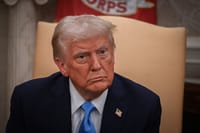
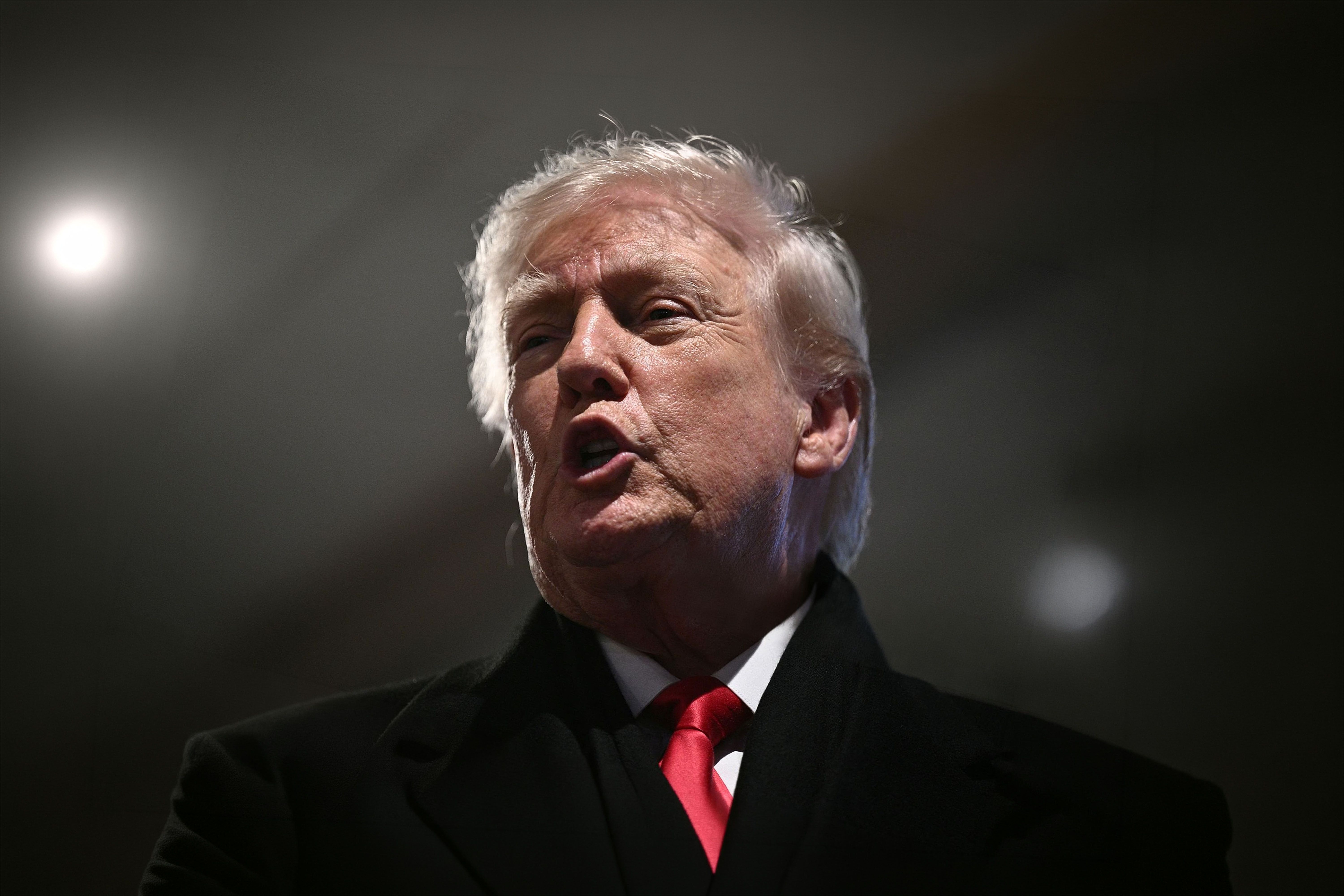
President Donald Trump
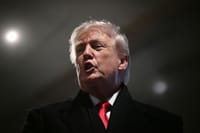
President Donald Trump (Shutterstock)

"Iran Is Ready for the Big Confrontation"

Meanwhile, advisor to Mohammad Bagher Ghalibaf, Mahdi Mohammadi, clarified that the tensions are far from over, noting that "the Iranian nation still has a lot of unfinished business with Trump." Mohammadi emphasized Tehran's readiness to continue the struggle, saying that "Iran is ready for the big confrontation," as part of preparations for a prolonged conflict.

Mojtaba Khamenei has made dramatic appointments in Iran's security leadership, with hardline commanders elevated to key positions. Among the notable appointments: Ali Abdollahi as chief of the general staff of the armed forces, and Ahmad Vahidi as supreme commander of the Revolutionary Guards.

Additionally, attempts by the Trump administration to establish direct contact with the Revolutionary Guards through IRGC commander Ahmad Vahidi were revealed, but the attempt ultimately failed. The Americans were unable to determine whether Iranian representatives truly represented the Revolutionary Guards, which have become the strongest force in the country.

Ready for more?

Join our newsletter to receive updates on new articles and exclusive content.

We respect your privacy and will never share your information.

Enjoyed this article?

Yes (19)
No (1)
Follow Us:
1

Unmissable content


Loading comments...

Also of Interest