Get our mobile app
Download on the App StoreGet it on Google Play

Economic Pressure Mounts

Iran Seeks End to U.S. Standoff Amid Crisis

President Pezeshkian acknowledges devastating impact of sanctions as regime officials warn of imminent collapse; Trump administration vows to topple theocracy

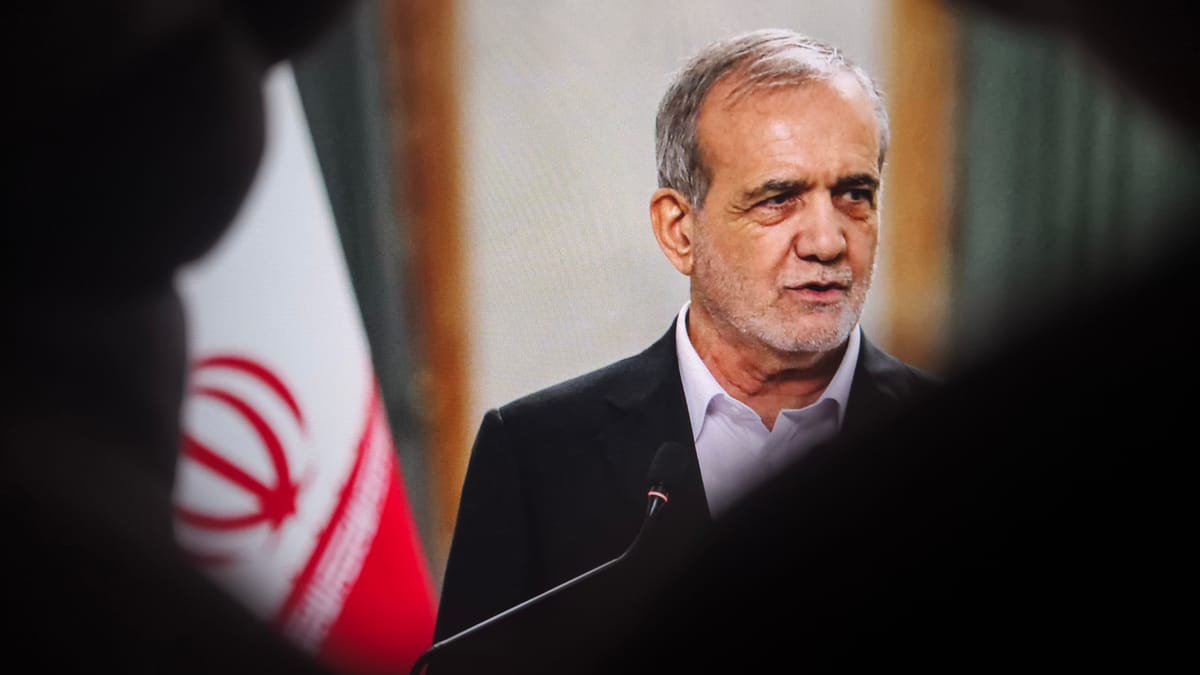
Iranian President

Iranian President Masoud Pezeshkian on Friday called for an end to the confrontation with the United States, while attempting to frame the move as coming from a position of strength. Speaking at a medical community conference in Tehran, Pezeshkian said it would be better to end the conflict now, while Iran maintains its power and dignity and the world recognizes its victory.

The president's remarks reflect the intense pressure facing his government, which has drawn sharp criticism from conservative and hardline factions in Tehran. Behind the scenes, reports indicate the Islamic Revolutionary Guard Corps (IRGC) is increasingly attempting to dictate policy and impose its positions, part of a power consolidation following the death of Supreme Leader Ali Khamenei.

Pezeshkian defended the emerging agreement with the Americans, describing it as honorable and valuable, emphasizing it contains not a single clause indicating surrender. At the same time, he claimed the United States attacked schools, hospitals and infrastructure in violation of international law, while stressing that the nation's armed forces stand fully prepared to defend it at any cost.
In his speech, Pezeshkian openly acknowledged the devastating effects of economic strangulation resulting from financial restrictions and the naval blockade imposed by the United States, which have severely damaged imports and exports. The president even complained about budgetary difficulties in funding basic food subsidies for citizens, criticizing those who judge from the sidelines without understanding the complex situation facing the government.

Pezeshkian's admission joins a series of unusual statements from senior regime officials. Central Bank Governor Abdolnaser Hemmati acknowledged in a state television interview that the country's oil exports have completely stopped and that Americans have blocked the central bank's reserves, preventing any withdrawals.

Meanwhile, Parliament Speaker Mohammad Bagher Ghalibaf warned during a meeting in Baghdad that without a stable economy and growth, the state cannot survive, even with military strength. This crisis gains added urgency with Reuters reports of severe damage to oil supply lines to China, leading to acute shortages and price spikes.

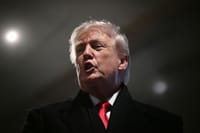
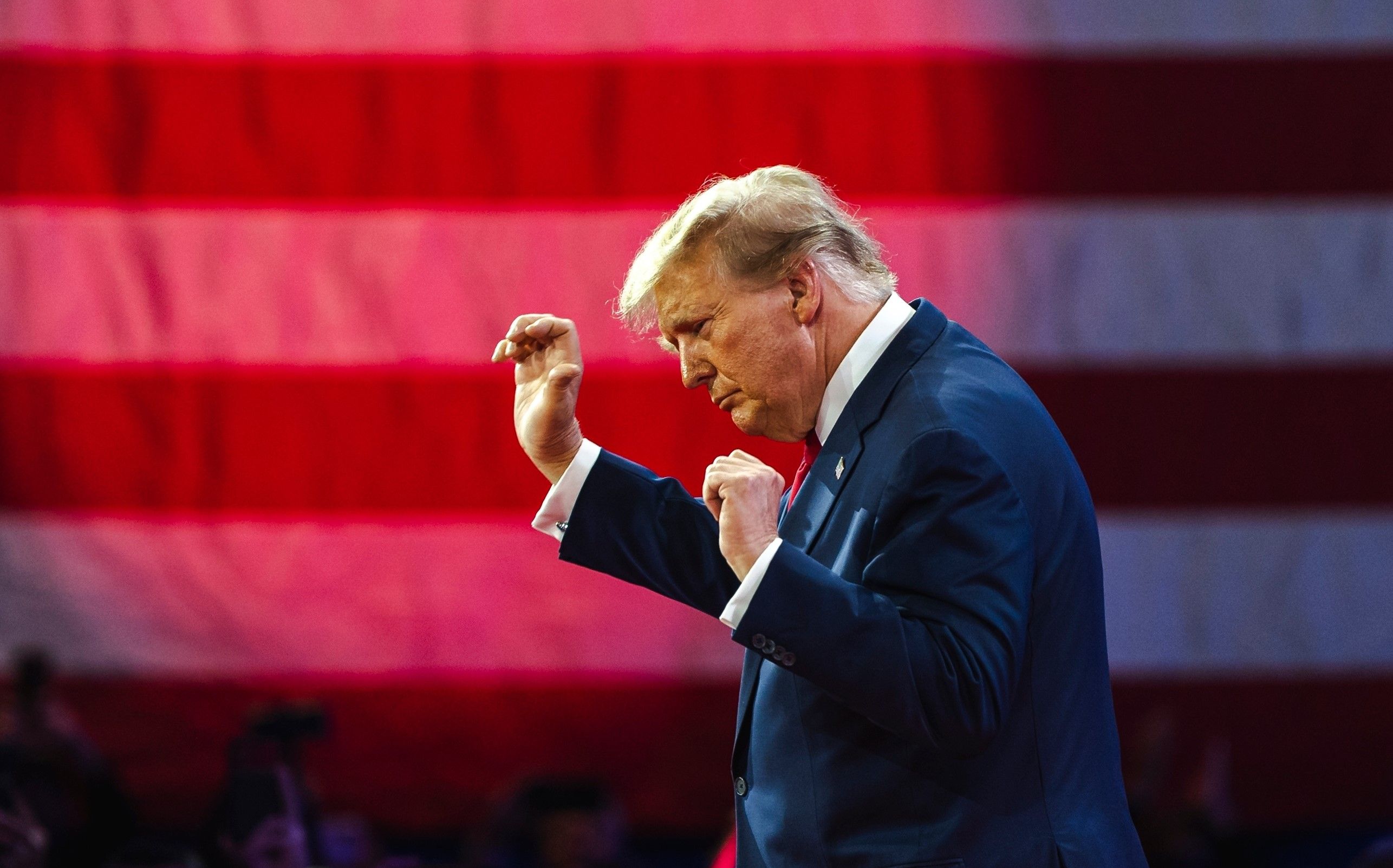
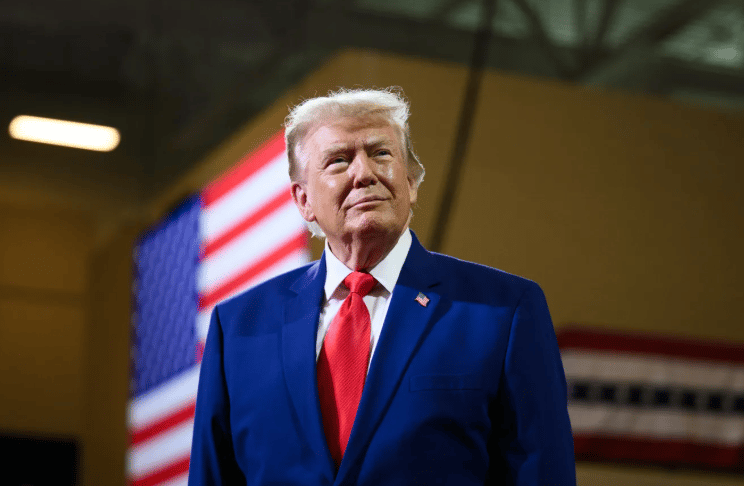
President Trump
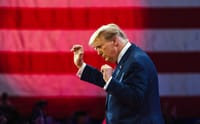
President Trump (צילום: shutterstock)

From the other side, the American administration made clear it has no intention of easing pressure. U.S. Treasury Secretary Scott Bessent, addressing President Donald Trump's announcement of the heaviest sanctions package in history set to be unveiled Monday, declared in a CNBC interview that the goal is to collapse the Tehran regime.

According to Bessent, the naval blockade imposed in July combined with new sanctions constitute a "one-two punch" that will bring down the ayatollah regime. Bessent detailed that the new sanctions will include severe economic penalties on countries that continue trading with Tehran, emphasizing: "It's time for our allies and the rest of the world to make a decision—you're either with us or against us."

President Trump himself sharpened the message, explicitly warning of economic measures against any country attempting to throw Iran a lifeline. In a post on Truth Social, Trump declared an "economic D-Day"—a complete economic isolation operation against Iran, describing the country's security and economic situation: "Their navy is gone, their air force destroyed, their military factories now rubble, their currency worthless, and their country in danger of collapse."

Trump warned that any country allowing its financial institutions, businesses, airports or government entities to provide assistance to Iran "will itself face enormous economic consequences." The warning is directed particularly at China, which until now has been the primary customer for Iranian oil.

The tension between Pezeshkian's declarations of strength and admissions of economic hardship points to the dead end facing the Tehran regime. While the president attempts to project a message of power and present the emerging agreement as a victory, senior regime officials warn of approaching economic collapse, and the American administration makes clear its objective is regime change through unprecedented economic pressure.

Ready for more?

Join our newsletter to receive updates on new articles and exclusive content.

We respect your privacy and will never share your information.

Enjoyed this article?

Yes (34)
No (1)
Follow Us:
1

Unmissable content


Loading comments...

Also of Interest