Get our mobile app
Download on the App StoreGet it on Google Play

While publicly threatening sanctions

U.S.-Iran Coordination on Deportations Exposed

Hundreds of emails show American immigration officials worked directly with Iranian government to deport over 100 nationals, even allowing Tehran to influence deportation lists

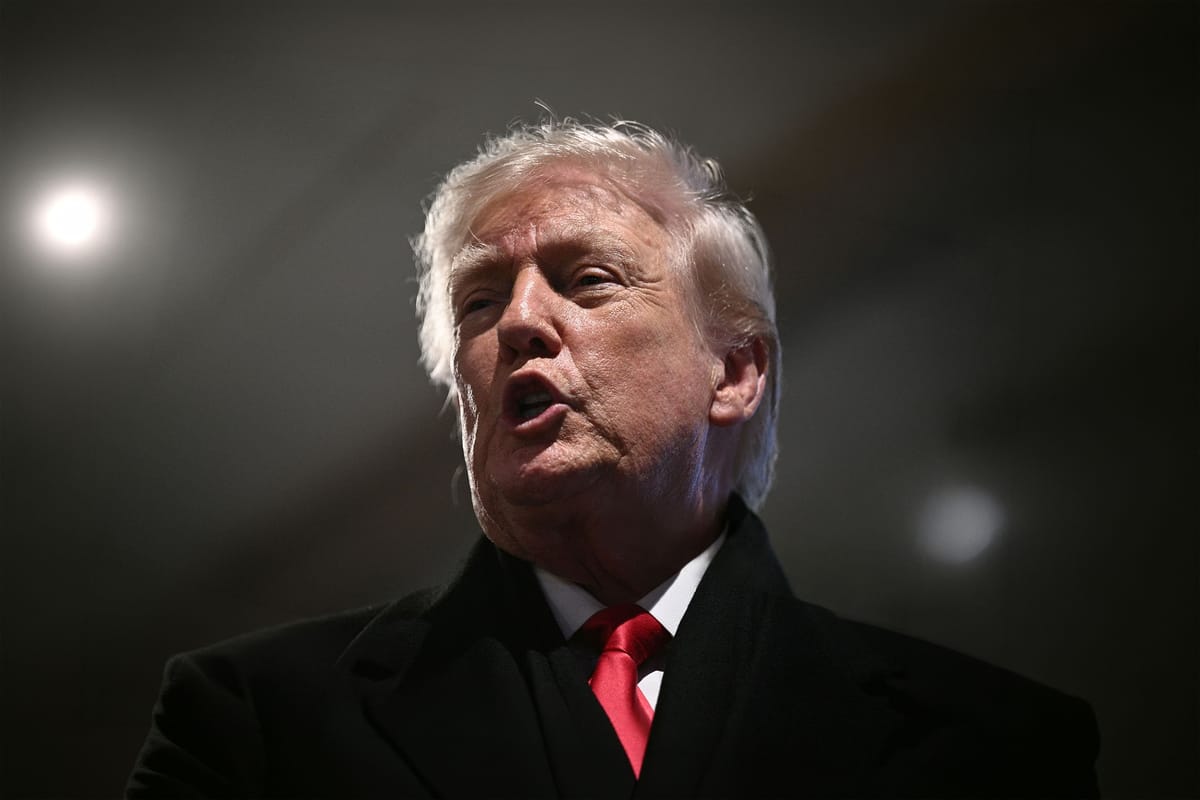
President Donald Trump

Hundreds of internal emails exchanged among U.S. immigration officials reveal unexpected coordination with the Islamic Republic of Iran throughout 2025, according to documents obtained by the National Iranian American Council. The correspondence details arrangements for returning more than 100 Iranian nationals on three separate charter flights executed in September and December 2025, and January 2026.

The documents show Iranian government representatives directly influenced who would be deported, with U.S. Immigration and Customs Enforcement (ICE) accommodating last-minute changes to deportation rosters. "Per the Iranian embassy's request, I have added several cases," an unidentified ICE official wrote in late August. A week later, the manifest was altered again following a meeting with the Iranian embassy's director.

An email dated September 26 noted that the Iranian embassy had added requests for three additional Iranian nationals just days before the first flight departed. This coordination continued even during a 12-day period of military conflict between the U.S. and Israel against Iran in June 2025, with pressure to complete the deportations coming from senior levels of the Trump administration.

The policy represents a dramatic departure from decades of American practice granting asylum to Iranian dissidents and opposition figures. Deporting citizens to a country known for violent persecution of returnees has drawn sharp criticism from human rights advocates, while the Department of Homeland Security has declined to comment on the revelations.

In September 2025, Iranian officials confirmed that approximately 400 Iranians were slated for return under an agreement with the Trump administration. Communications were conducted partly through Qatari intermediaries and partly through direct meetings with the Iranian government. It remains unclear whether those deported returned voluntarily or were compelled.

The emails indicate at least one person was mistakenly deported despite not appearing on final lists. "An Iranian who was not included in the final manifest we sent to the Qatari Interior Ministry was put on the flight," one American official wrote, receiving the response: "I have no idea how this case got onto the plane."

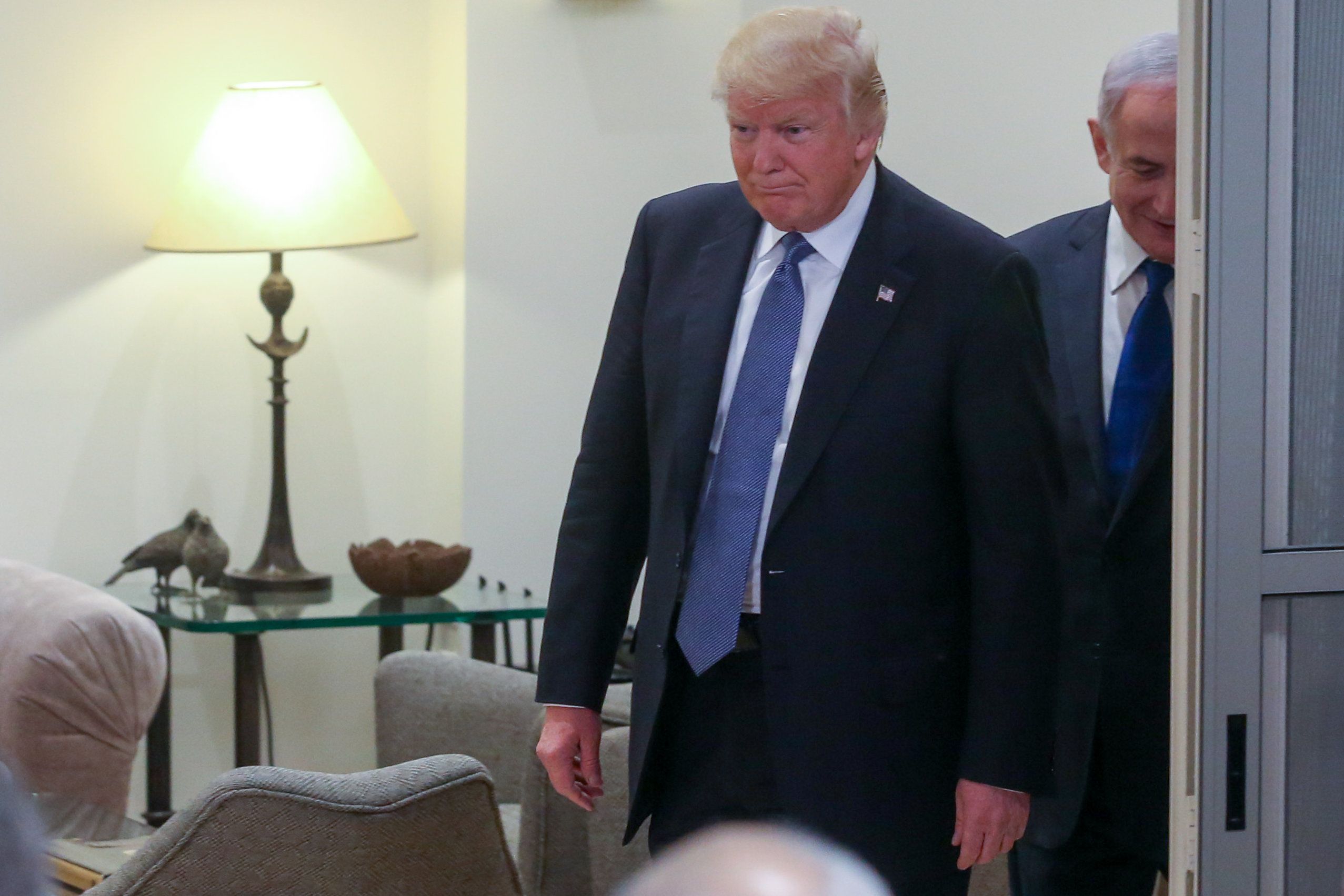
Netanyahu and Trump
Netanyahu and Trump (Marc Israel Sellem/POOL)

Pressure to execute the deportations came from the highest levels of the Trump administration. Days after President Trump posted on social media, "Everyone must evacuate Tehran immediately!" then-ICE director Todd Lyons designated the returns as a "priority."

Officials warned that "the removal will prove difficult" due to airspace closures, but deportation director Marcus Charles ordered preparation of a plan for 58 detainees, stating: "We need a path forward as soon as possible." Another official called on all staff to "identify a solution for this White House priority."

Jamal Abdi, president of the National Iranian American Council, said the emails contradict administration claims. Abdi noted that "this shows the top priority here was to deport as many people as possible by whatever means necessary," while criticizing cooperation with a regime that persecutes its own citizens.

Beyond logistical coordination, ICE permitted Iranian representatives to meet with detainees inside immigration detention facilities. Eleven Iranian detainees claimed in a June lawsuit that they were forced to meet with Iranian government representatives who possessed confidential details about their asylum applications.

U.S. law explicitly prohibits sharing confidential asylum-seeker information with the country of origin. The Department of Homeland Security vigorously denied the allegations, stating in July that "claims that ICE shared asylum application records with the Iranian government are completely false."

The disclosure comes against the backdrop of an economic war Trump has declared against Iran, with the American president threatening severe sanctions on any nation assisting Tehran. Yet the emails raise difficult questions about the nature of relations between Washington and Tehran behind the scenes, even as both countries publicly maintain hostile positions.

Ready for more?

Join our newsletter to receive updates on new articles and exclusive content.

We respect your privacy and will never share your information.

Enjoyed this article?

Yes (42)
No (2)
Follow Us:

Unmissable content


Loading comments...

Also of Interest