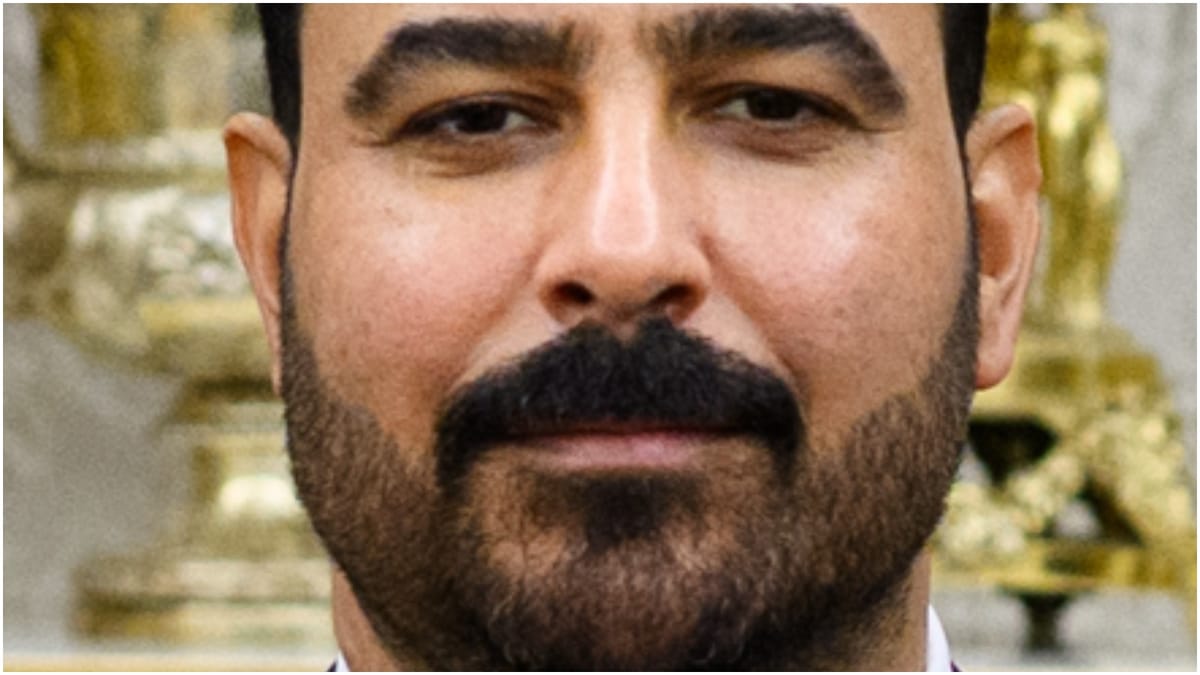
Prime Minister Ali al-Zaidi is racing against a September 30 deadline to consolidate state control over Iraq's fractured armed landscape, a push backed by Washington but fiercely resisted by Iran-aligned militia factions that view it as capitulation to American pressure.
Al-Zaidi, who took office in May 2026 with U.S. backing, announced the September 30 deadline for all armed groups to disarm, coinciding with the planned withdrawal of the U.S.-led anti-ISIS coalition from Iraq. Government spokesman Haider al-Aboudi said the date marks "the end of this issue" of disarmament and "also marks the end of the international coalition's presence."
The initiative signals a rare assertion of state sovereignty after decades of militia proliferation. During a meeting with European ambassadors, al-Zaidi "stressed that confining arms to the hands of the state is not merely a slogan, but a policy already being implemented." Al-Zaidi sought parliamentary legislation to formalize state monopoly on weapons, warning that non-compliant groups will face anti-terrorism charges.
But hardline Iran-backed groups view the deadline as a direct challenge. Kataib Hezbollah and Harakat Hezbollah Al Nujaba have linked disarmament to the presence of U.S. and other foreign troops in Iraq, effectively rejecting the timeline. The head of Badr Organisation's political office warned that any attempt to forcibly disarm armed groups would result in "internal strife" and laid out three conditions: full U.S. troop withdrawal, removal of strategic threats, and full development of Iraqi armed forces, particularly air defenses.
"It opens the door to internal strife whose beneficiary, first and last, is the United States, the Zionist entity [Israel], and those lying in wait for us," the Badr official said.
The tension reflects Iraq's impossible position between Washington and Tehran. U.S. envoy Tom Barrack praised the disarmament initiative, saying it would contribute to "the architecture of order" in Iraq. But Iran's Quds Force has been active in Baghdad seeking settlements that would allow militias to retain weapons while avoiding government confrontation.
Only three militia groups have announced integration into Iraq's security forces, while the majority continue to resist the government's disarmament deadline. Iraqi military forces have been placed on high alert as security officials work to prevent militia retaliation.