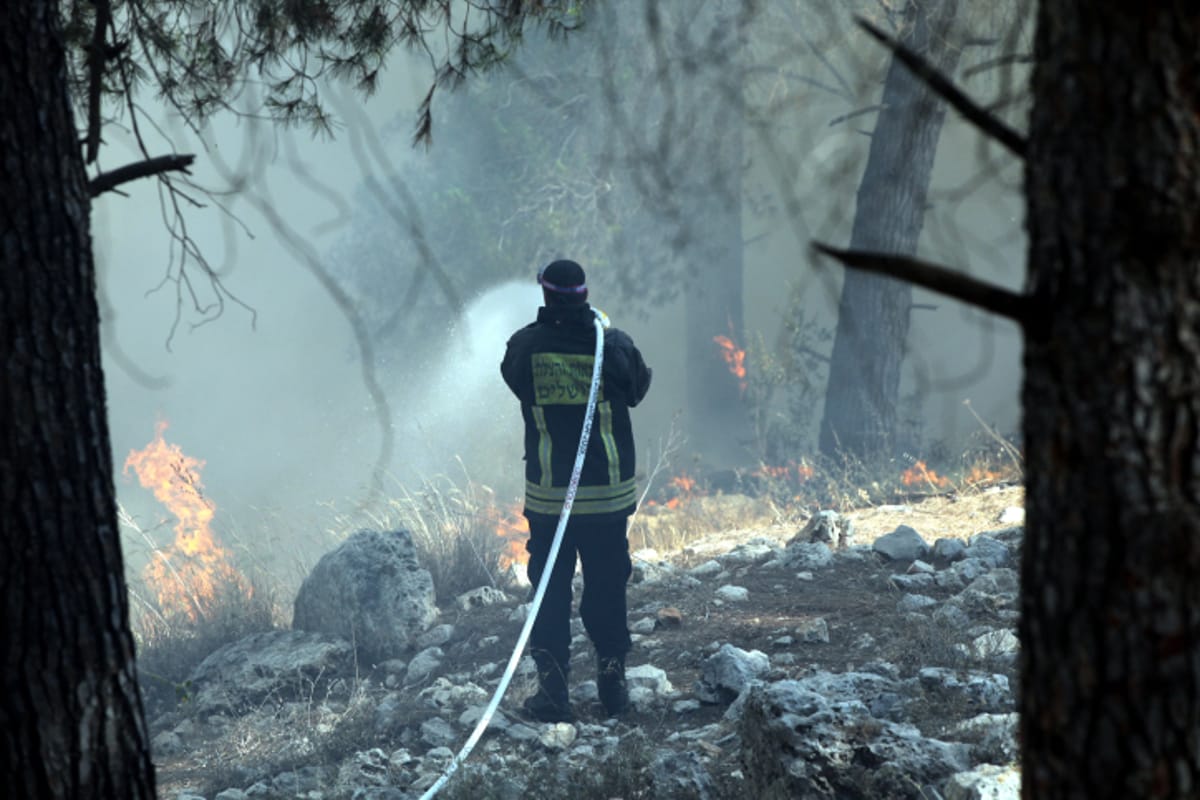
As Israel experiences severe heat stress, the Jewish National Fund (KKL-JNF) has issued a stark warning to hikers: the combination of extreme temperatures, prolonged drought, and careless human behavior could trigger disaster. Gilad Ostrovsky, KKL-JNF's chief forester, told Israeli media that "especially in summer, the greatest threat is fires—and in Israel, fires are almost always caused by people, whether accidentally or deliberately." Once ignited, he cautioned, blazes can spread with alarming speed.
Fire Safety During Heat Wave
Chief Forester: Fires Are Human-Caused
As extreme heat warnings blanket Israel, KKL-JNF's chief forester explains how climate change is lengthening fire season, what lessons from the deadly 2010 Carmel disaster now protect communities, and why responsible hiking is critical
The warning comes as Israel's Meteorological Service issued a red alert for extreme heat in the Jordan Valley, Arava, and Judean Desert regions, with temperatures reaching 41 degrees Celsius (106°F) in Eilat and 37°C (99°F) in Tzfat in the north.
"Summer is getting longer and hotter"
Ostrovsky addressed climate change directly. "We're seeing it clearly: summer is becoming longer, hotter, and we're experiencing extended periods of extreme temperatures and severe heat waves," he said. While acknowledging that "our response and firefighting capabilities have improved dramatically, from rapid deployment to aerial firefighting," he stressed that "the danger remains very heavy." In response to the extreme weather conditions, Israel's Fire and Rescue Commissioner has issued a blanket order prohibiting the lighting of campfires and any open flames in forested areas.
Lessons from the Carmel disaster: 76-meter buffer zones
The 2010 Carmel Forest fire tragedy, which claimed dozens of lives, fundamentally changed how Israel protects forests and nearby communities. Beyond reinforcing firefighting units and aerial capabilities, the disaster prompted changes in forest management itself. "One of the central lessons concerns pine trees," Ostrovsky explained. "Pine trees, with their large mass and high flammability, pose an elevated fire risk."
Since the disaster, KKL-JNF has established buffer zones around communities—safety belts 76 meters (250 feet) wide where trees are thinned, branches pruned, and pine growth completely prohibited in the belt closest to homes.
The organization is also shifting away from the monoculture pine plantings of the previous century toward more diverse forests. Asked whether these changes harm nature, Ostrovsky noted that "a diverse forest increases nature's resilience in an era of warming climate." New plantings include hardy native species such as carob, oak, terebinth, jujube, and Christ's thorn.
"The first commandment: don't litter"
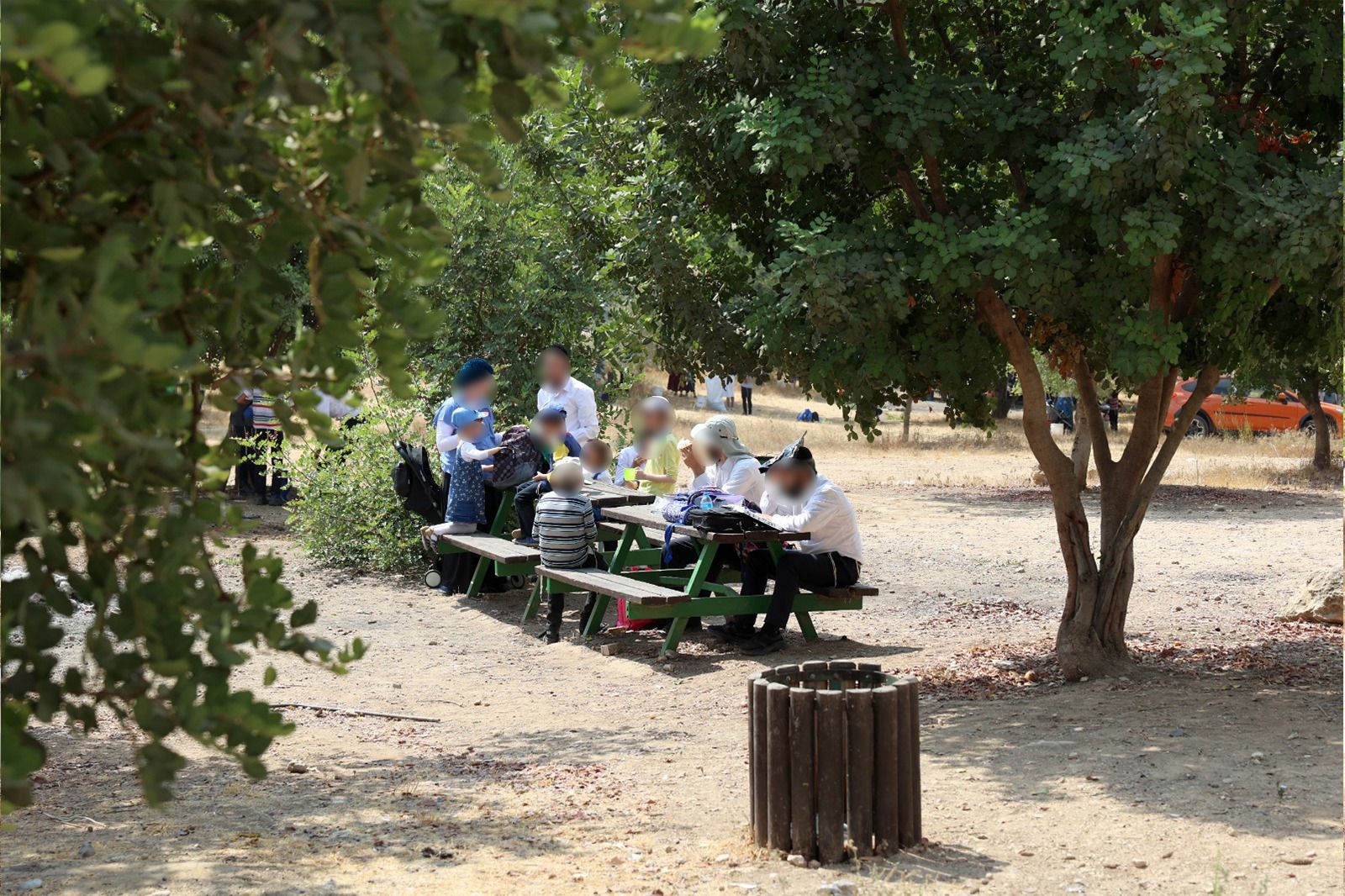
Alongside prevention measures and thinning work carried out by forestry teams, Ostrovsky emphasized that the real key to protecting forests lies with hikers themselves. "The hiker's first commandment is not to litter the forest and to take responsibility," he said. "There are people who discard waste and cause severe environmental and social damage. Our rule is simple: take your trash home with you, enjoy yourselves with reusable items, don't make noise, and don't leave marked trails."
Despite the challenges and dangers, Ostrovsky concluded by reminding visitors of the health and mental benefits of spending time in nature. "There's a concept called 'forest bathing,'" he explained. "When you go out to the forest on a hot day, you immediately feel that the temperature is lower, the air is pleasant, and the vegetation provides relief for the soul." KKL-JNF conducts comprehensive research to adapt forests for all sectors of the population, including the ultra-Orthodox community and large families.