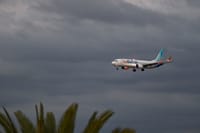
A new CBS report has revealed the full extent of the emergency that unfolded in Israeli airspace during the hijacking of the Fly Dubai airliner, and how close the state came to ordering the unthinkable: shooting down a civilian aircraft carrying more than 150 Israeli passengers, in order to prevent a catastrophic attack on the ground.
According to the report, the crisis began when the passenger jet suddenly plunged to an altitude of approximately 14,000 feet, while all contact with the cockpit was severed.
The moment the erratic movement was detected and communication lost, Israel's security apparatus shifted into immediate emergency mode: air traffic control ordered the scrambling of IAF fighter jets, Israeli airspace was closed, and a special emergency committee was convened.
The CBS report lays out the security protocols that govern such scenarios. According to the procedure, when loss of contact is identified alongside irregular movement toward Israeli territory, the working assumption treats the incident as a potential terror attack or direct threat to strategic targets and population centers.
In such a situation, the protocol places the most painful decision on the Prime Minister: to authorize the interception and downing of the aircraft mid-flight, despite the Israeli passengers on board, in order to prevent a far heavier mass-casualty disaster on the ground.
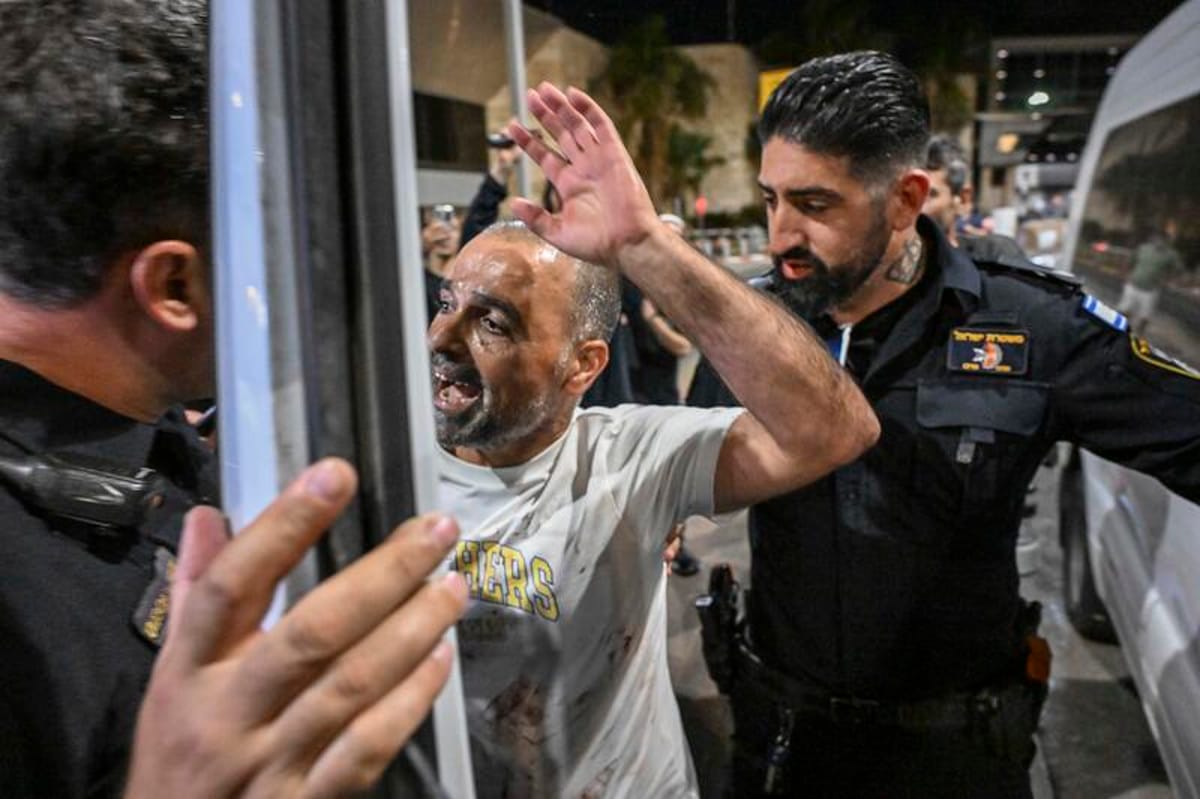
Baruch Hashem, four Israeli passengers, Yaniv Hayon, Dr. Shota Mosaiev, Zvika Manes, and Asaf Rejwan, stormed the cockpit and overpowered the terrorist pilot, saving the lives of everyone on board and sparing the Prime Minister from having to make the fateful call to bring the plane down.