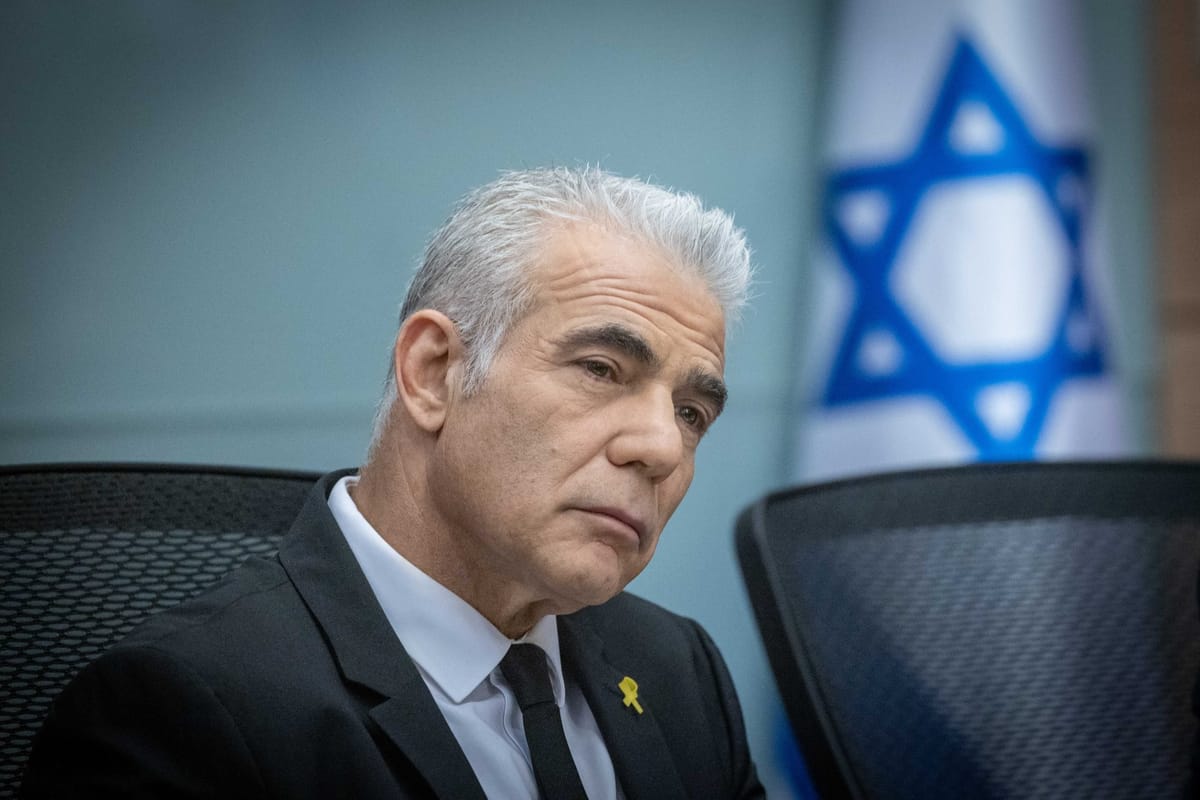
Israel Defense Forces operations and long term force building face severe cutbacks following a political impasse over state budget allocations. Prime Minister Benjamin Netanyahu met with opposition leader Yair Golan for a security briefing, during which Netanyahu requested legislative approval to open the budget law to transfer urgent funds to the military.
Golan refused to support the measure unless the government cancels coalition funds transferred to political factions. "We need to strengthen the IDF," Golan acknowledged during the meeting, while insisting that billions of shekels allocated for coalition promises be diverted directly to the military budget instead of increasing the government deficit.
Deputy Chief of Staff Major General Tamir Yadai briefed Golan on regional threats and structural budget deficits affecting operational readiness. Netanyahu requested immediate approval for 25 billion shekels for the IDF, including 15 billion shekels currently pending before the Knesset Finance Committee.
The financial shortfall stems from prolonged disputes between the Prime Minister's Office and the Ministry of Finance. Recommendations issued by the Nagel Committee set the defense budget framework at 130 billion shekels. Netanyahu later raised the target to 350 billion shekels due to growing security threats, but Treasury officials delayed transfers, demanding internal efficiency cuts and structural adjustments.
Although the government previously approved the procurement of two fighter jet squadrons, Finance Ministry officials blocked subsequent cash flows. Netanyahu subsequently agreed to transfer 40 billion shekels in three separate phases. However, the initial 15 billion shekel transfer remains frozen in the Finance Committee alongside the remaining 25 billion shekels due to Treasury opposition.
Because of the political delay, the Defense Ministry and IDF Chief of Staff Eyal Zamir must now implement immediate operational cuts. Plans call for a sharp reduction in reserve duty call-ups across active sectors, a freeze on new procurement contracts through June 2027, and significant cutbacks in existing service contracts.
Defense manufacturers are suffering severe deficits from delayed government payments. Subcontractors and small suppliers have already ceased delivering raw materials and sub-assemblies to major defense contractors. Industry officials warn that factories will soon shut down production lines for critical munitions, leading to employee layoffs across small and medium enterprise suppliers.
On the operational level, the military faces immediate logistical disruptions. The IDF will struggle to pay digital data storage fees for Military Intelligence and the Telecommunications Corps. Construction projects for forward outposts, border defense components, and tactical access roads have ground to a halt.
Contractors servicing border positions have threatened to disconnect field generators, cease trash removal, and suspend sewage maintenance at unlinked outposts. Procurement of essential winter gear for frontline troops has also been delayed as military leaders prepare for formal assessment meetings to finalize the budget cutbacks.