Russian news outlet Izvestia published an analysis detailing what Moscow defense experts describe as a sophisticated psychological campaign conducted by the United States against Iranian leadership. According to the report, Washington is employing calculated alternating patterns of military threats and sudden postponements to confuse authorities in Tehran and lay the groundwork for a surprise military strike.
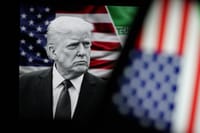
Russian analysts cited in the report point to a consistent operational pattern where President Donald Trump combines aggressive statements and troop deployments with temporary tactical retreats or last minute strike cancellations.
Analysts characterized this posture as a madman strategy designed to lower the Iranian regime's operational vigilance prior to a major action.
The analysis highlights recent diplomatic developments, including a tight deadline set by President Trump for Iran to secure a Strait of Hormuz navigation agreement by Tuesday under threat of severe airstrikes. This ultimatum followed the weekend cancellation of a planned joint military operation that was scheduled to include Israeli forces.
In response, Iranian officials and state media dismiss American statements as toothless psychological warfare. Senior officials in Tehran previously disclosed that they consulted psychologists to analyze President Trump's unconventional negotiation style.
Tehran continues to maintain a firm public stance regarding its maritime requirements. A senior Iranian official outlined the regime's terms regarding the Strait of Hormuz to Reuters, demanding complete authority over inbound maritime traffic alongside monitoring capabilities over outbound vessels.
"Tehran is not expected to change its position," the senior Iranian official stated regarding the ongoing transit negotiations.
Despite diplomatic exchanges, the Iranian military remains on high alert, warning that any direct strike will trigger multi-theater retaliation targeting American allies across the Persian Gulf. For the first time since active engagements began, the US military refrained from responding to recent Iranian strikes on a military base in Kuwait and a vessel in the Strait of Hormuz.
Concurrently, Israeli security forces are executing targeted operations against Iranian officers under Operation Roaring Lion, while distributing materials to Iranian citizens to encourage civilian resistance against the regime.
The broader war continues to generate severe economic consequences throughout the region. Drone strikes on oil storage facilities in Oman caused significant fires, while the first six days of military operations cost the United States an estimated 11.3 billion dollars.
In addition, Iran published a target list including major American technology corporations such as Google, Microsoft, and Amazon.
Meanwhile, Saudi news outlet Al Arabiya reported that an official announcement regarding the reopening of the Strait of Hormuz could be issued within hours, indicating potential progress in talks mediated by Oman.
According to reporting published by Kikar HaShabbat, American defense experts maintain that Iranian rhetoric remains elevated while diplomatic channels remain open.