U.S. President Donald Trump set an immediate deadline for Iran to finalize an agreement mediated through Oman regarding navigation in the Strait of Hormuz by Tuesday, according to reporting published by Bloomberg on Monday. The undisclosed timetable places heightened pressure on Iranian leadership, with Washington warning that failure to secure an accord will result in severe airstrikes against strategic targets.
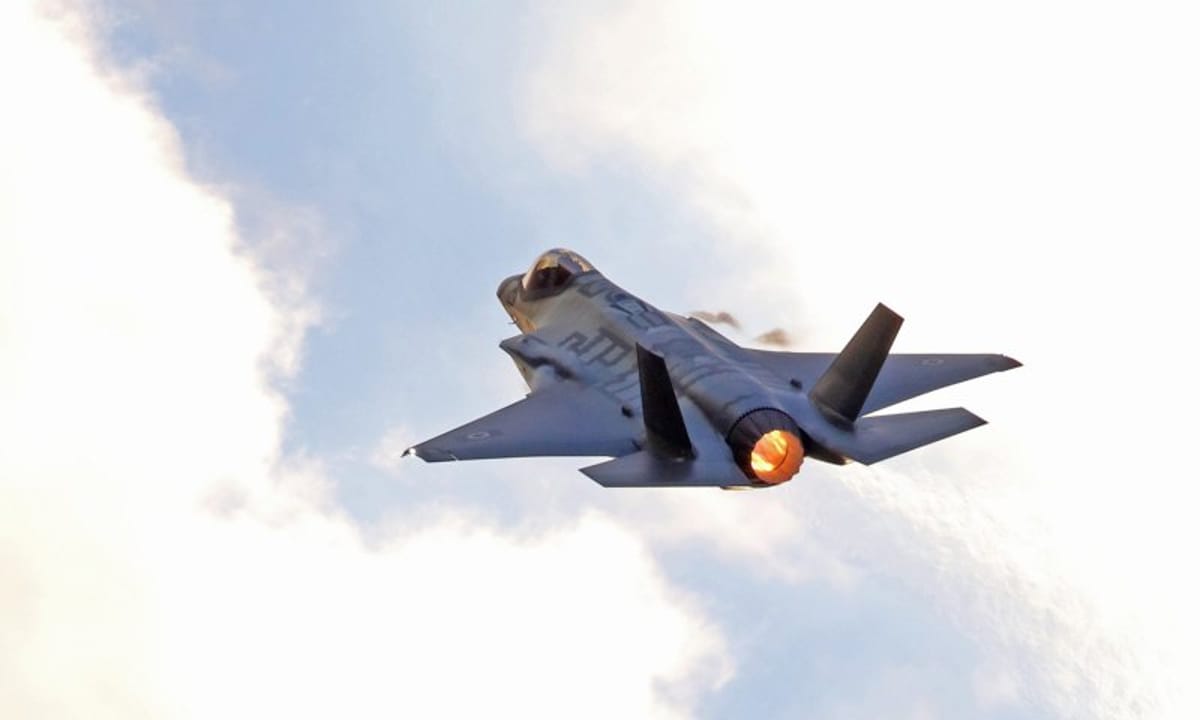
The report confirmed that Israeli defense forces were fully integrated and scheduled to participate in the massive military operation that was postponed over the weekend to allow a final diplomatic window.
President Trump addressed the tight operational schedule during exchanges with reporters, outlining the administration's stance on regional escalation.
"I want to give them every last chance before head choppings," President Trump stated during press briefings. "You will find out today or tomorrow. Meaning, they are going to disappear fast, one way or another. It is not very complex."
The immediate ultimatum arrives amidst complex diplomatic exchanges led by Omani negotiators aiming to establish a safe commercial shipping corridor through the Strait of Hormuz, where transit routes remain heavily mined. Tehran continues to insist on administrative control over maritime traffic and the authority to collect transit fees, a position President Trump firmly rejected by stating that no transit payments will be permitted.
In response to the threats from Washington, Mohsen Rezaei, senior military adviser to Iran's Supreme Leader, warned against continued US naval blockades and called for a return to prior agreements.
"American warships and bases will face severe danger if the United States does not remove the blockade," Rezaei stated, noting that current transit through the strait remains restricted to select vessels operating under explicit Iranian authorization.
Global energy markets reacted rapidly to news of the pending Tuesday deadline, with Brent crude futures rising 1.8 percent to $85.29 per barrel amidst ongoing war conditions that began in February 2026. Rising energy prices and supply chain uncertainty continue to apply political pressure on the Republican administration ahead of the midterm elections scheduled for November 2026.
According to reporting by Kikar HaShabbat, defense analysts note that coalition forces remain on high alert along regional borders pending the outcome of the Tuesday deadline.