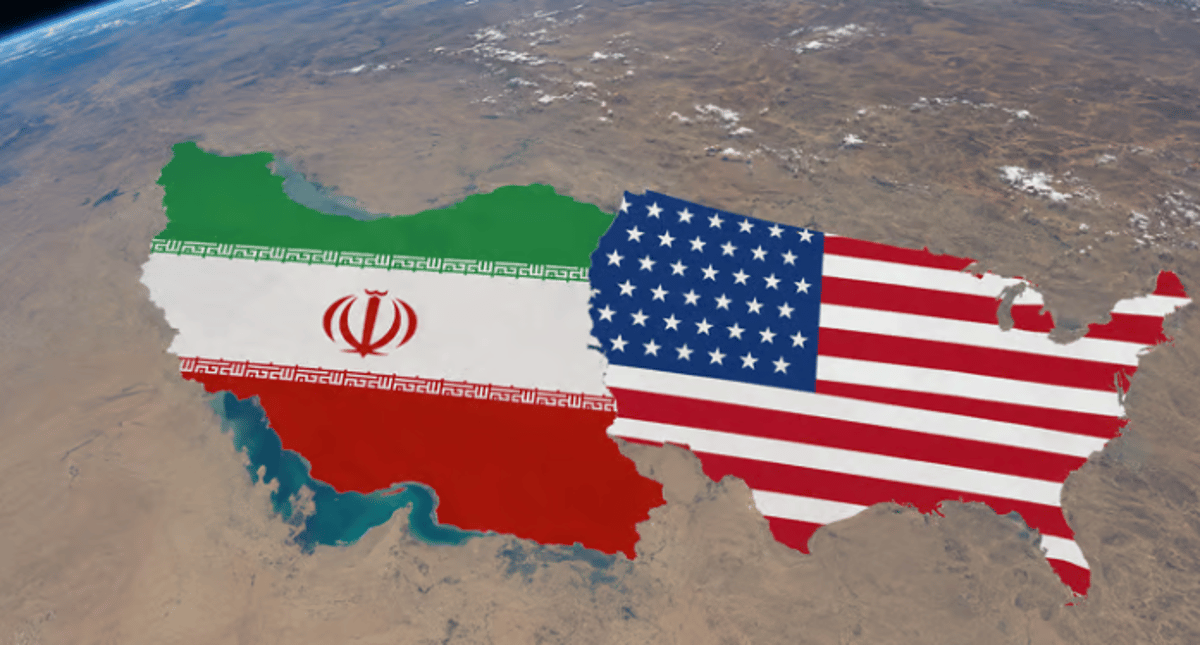
Qatari officials expressed unusual optimism Monday about the state of mediation efforts between the United States and Iran, characterizing negotiations as reaching a "very advanced stage" despite the absence of confirmed direct talks between the parties.
Qatar's Foreign Ministry spokesman Majid al-Ansari stated that current mediation efforts focus on three principal objectives: reducing regional tensions, reopening the Strait of Hormuz to international shipping, and establishing a broader regional diplomatic process involving the mediators, Iran, Oman, and the United States.
According to Qatari officials, recent agreements between Iran and Oman regarding control of shipping traffic through the Strait of Hormuz have created momentum toward a comprehensive U.S.-Iran agreement. The Iran-Oman framework reportedly establishes separate shipping channels for inbound and outbound vessels, a development the Qataris characterized as clearing the path toward a full settlement between Washington and Tehran.
Despite the reported optimism, al-Ansari acknowledged that no agreement has been reached on the timing or format of face-to-face talks between U.S. and Iranian officials. The mediation process remains at the stage of shuttle diplomacy, with Qatari mediators relaying positions between the parties rather than convening direct negotiations.
Qatari officials did not specify what concessions either side had made or identify remaining sticking points in the negotiations. The statement reflects Qatar's role as a primary intermediary in regional diplomacy, a position the Gulf state has cultivated through decades of engagement with both Western and Iranian interests.
The reported progress contradicts earlier assessments from U.S. officials that negotiations had reached a stalemate. A U.S. official familiar with the talks previously disputed Iranian characterizations of preliminary agreements, describing any shipping arrangements as temporary and not requiring Iranian approval or involving tolls.