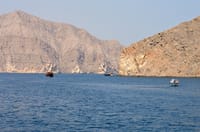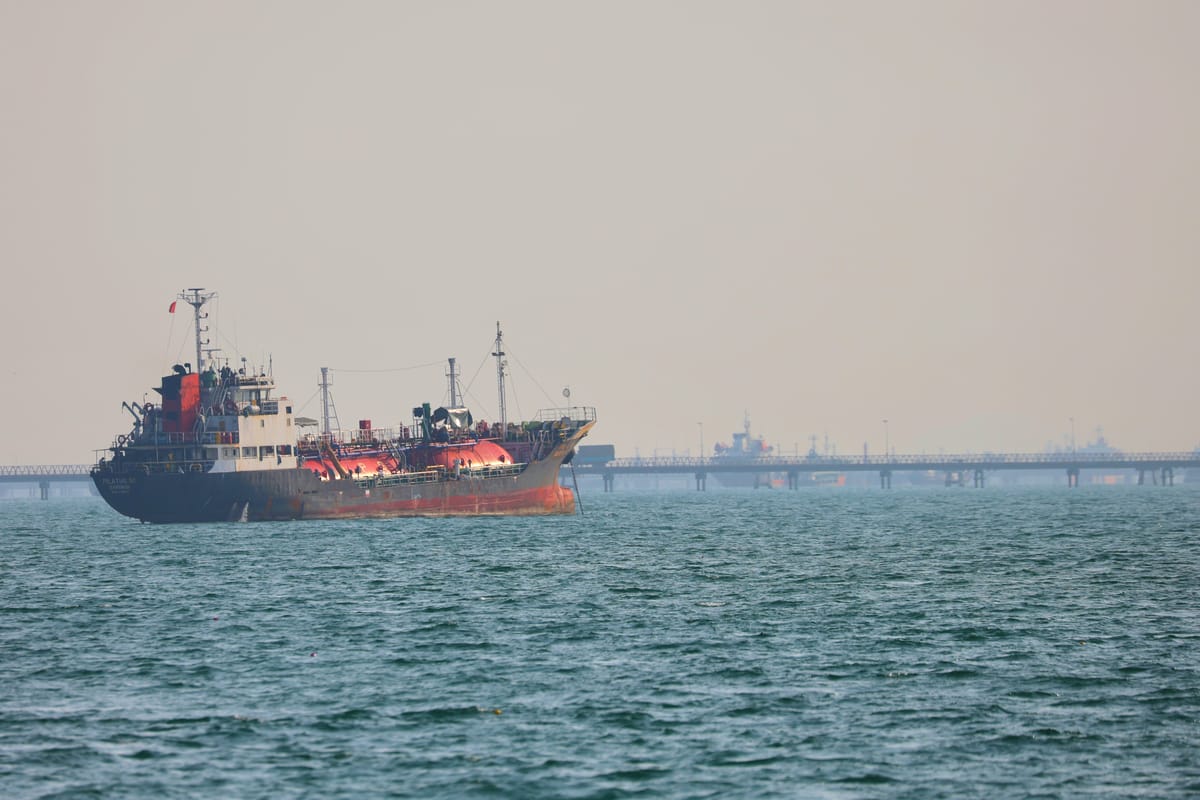
Arab media outlets reported on Sunday that US President Donald Trump agreed to operational concessions in the Strait of Hormuz in a bid to resume negotiations with Tehran, shortly after ordering the postponement of a planned military campaign. According to regional sources, the White House agreed to yield the southern shipping channel adjacent to the Omani coast, a route historically utilized by the US Navy to escort international oil tankers into safe international waters.
Despite Washington announcing that bilateral talks were scheduled to resume immediately, Pakistani and Iranian sources close to the negotiations stated that no formal meeting dates have been set. Iranian Foreign Ministry spokesman Esmaeil Baghaei clarified that current discussions remain limited to bilateral talks with Omani mediators regarding maritime management, while senior Iranian officials confirmed to Reuters that no direct talks with Washington are scheduled.
Tehran’s leadership operates under the assessment that President Trump seeks to avoid a major regional war ahead of the US midterm elections in November 2026. Rather than engaging in direct military confrontation, Iran has deployed a strategy of calculated escalation targeting critical energy infrastructure and maritime commercial routes across the Red Sea and the Persian Gulf.
"The Iranians believe that by expanding the war and increasing pressure, he will ultimately yield. Trump believes he can strike the Iranians hard and bring them to the negotiating table, but they will not bow," a Persian Gulf diplomatic source stated.
Research fellow Michael Knights analyzed Tehran's operational calculus, noting that Iran continuously expands its pressure points to maintain strategic initiative.
"Iran, from the beginning, tried to escalate beyond the United States by expanding its options so that it always has something new to bring every week, a new geography, a new type of weapon, a new type of target," Knights explained. "The larger advantage they have is not their ability to strike America or Israel, their major advantage is their ability to strike regional nations and the global economy."
At the core of the diplomatic impasse is the administrative control of the Strait of Hormuz. Omani mediators proposed a transit framework involving administrative fees paid by commercial vessels, a demand supported by Tehran to establish de facto authority over the waterway. Washington continues to reject all transit fees, maintaining that the strait must remain an open international waterway.
Former American diplomat Alan Eyre noted that Iranian leaders refuse to allow Washington to dictate the timeline of events. Regional analyst Michael Singh added that Tehran seeks to establish administrative control over the strait to exercise selective authority over global maritime traffic. In response to the ongoing friction, Western and Gulf nations are establishing joint naval coalitions to escort commercial shipping and share regional maritime intelligence.