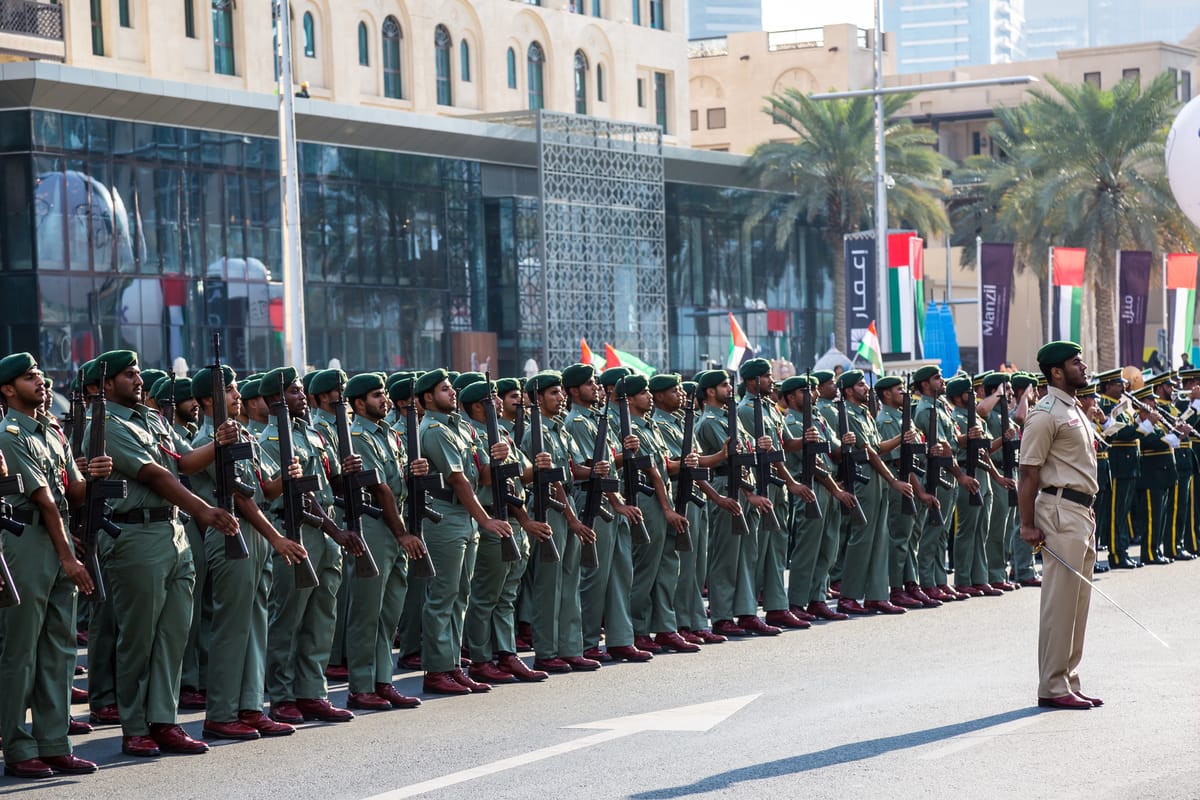
Significant policy divisions emerged among Gulf allies on Sunday following reports that the United Arab Emirates urged US President Donald Trump to launch a broad military campaign against Iran. The Emirati stance directly contradicted diplomatic efforts by Saudi Arabia, which successfully persuaded the White House to cancel planned air strikes and return to diplomatic negotiations.
According to officials familiar with the discussions, Emirati representatives warned Washington that the Islamic Revolutionary Guard Corps would not compromise until forced by direct military pressure. UAE officials urged President Trump to establish control over the Strait of Hormuz and requested that the administration consider ground maneuver options to secure international shipping corridors.
Ultimately, Saudi Arabia's diplomatic position prevailed, leading President Trump to call off the scheduled military operation. The Saudi Foreign Ministry formally confirmed that Crown Prince Mohammed bin Salman held a direct call with Trump to advocate for de-escalation, noting the leaders "discussed developments in the region and their regional and international implications."
Saudi officials issued an official statement outlining the substance of the late night exchanges with the White House. The statement affirmed Riyadh's commitment to avoiding broader regional war while securing international shipping routes through peaceful negotiation.
"His Highness the Crown Prince emphasized the need to prioritize dialogue to reduce escalation, and the importance of making every possible effort to achieve a calm that paves the way for diplomatic solutions, attempts to preserve the security and stability of the region, and prevents a broader war whose consequences would affect security and stability at the regional and international levels," the Saudi Foreign Ministry stated.
The diplomatic intervention effectively reversed Trump's initial plan to launch large scale strikes against Iranian targets. Despite Emirati warnings regarding Revolutionary Guard resilience, the decision temporarily halts direct military intervention while regional mediators attempt to finalize navigation agreements.
According to reports provided to the Wall Street Journal, defense analysts note that differing security priorities between Gulf nations continue to shape allied consultations as the United States balances military deterrence with regional economic stability.