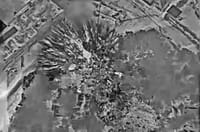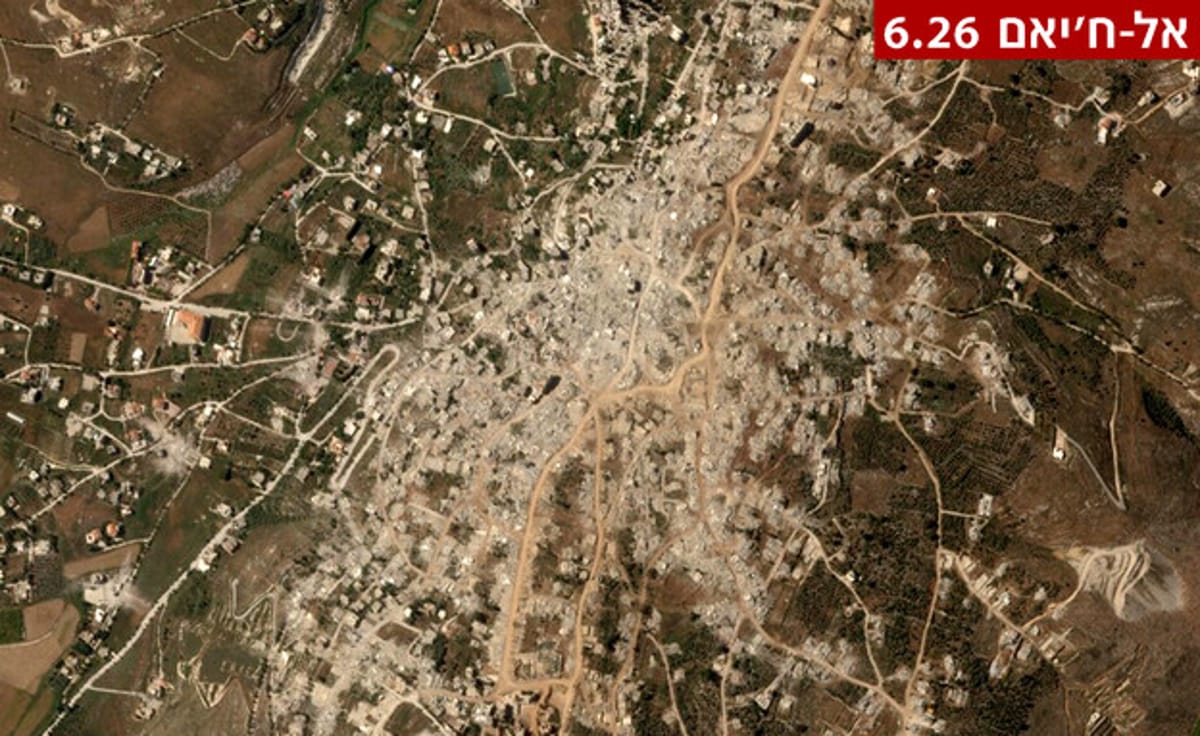
Satellite image analysis reveals extensive structural damage across southern Lebanon, with systemized military operations heavily impacting villages positioned adjacent to the Israeli border. According to spatial assessments, at least 18,000 structures have been destroyed across 19 surveyed towns, leaving multiple communities completely cleared of standing infrastructure.
The analytical study, conducted by Adi Ben-Nun of the Hebrew University GIS Center using satellite imagery from Planet Labs for N12, examined structural damage levels across the border zone. The assessment defined a building as destroyed if at least 30 percent of its structural integrity was compromised during military engagements.
Out of the 19 villages surveyed in the analysis, 18 suffered structural damage rates exceeding 50 percent of all standing buildings. Ten of the evaluated locations registered destruction levels above 80 percent, while five specific villages, Marwahin, Mhaibib, Maroun al-Ras, Blida, and Aita al-Shaab, saw 99 percent or more of their structures destroyed.
The imagery confirms that destruction rates correlate directly with distance from the border, showing maximum damage levels concentrated in communities immediately adjacent to the frontier line. While a portion of the structural degradation occurred during previous engagements in 2024, the vast majority of the documented demolition took place during active operations targeting Hezbollah military positions.
Addressing the scope of operations, Defense Minister Israel Katz confirmed that targeted military demolitions targeted established tactical positions utilized by hostile forces along the northern border zone.
"24 centuries old Lebanese villages that served and operated as enemies on behalf of Hezbollah and threatened our borders and our residents and provoked constantly, we destroyed all the buildings. 15,000 to 20,000 houses. All 24 villages are destroyed," Defense Minister Katz stated regarding the ongoing operations.
According to statements provided to N12, spatial intelligence analysts note that structural clearance along the immediate border zone aims to remove military firing positions, subterranean entry points, and tactical staging sites previously utilized to launch attacks across the border.