Diplomacy Stalls

Iran Rejects Ceasefire as U.S. Strikes Continue

Senior Iranian official confirms mediators proposed 10-day pause in attacks to revive diplomatic efforts • Washington strikes targets military sites across Iran | Tehran threatens total Hormuz closure (World News)

United States, Iran (chess pieces)

A senior Iranian official confirmed Monday that international mediators have proposed a 10-day cessation of military strikes between Tehran and Washington, aimed at creating diplomatic space to revive the collapsed interim agreement between the two powers. According to the official, who spoke to Reuters, the proposal seeks to "find ways to return to the deal between Iran and the U.S." — but as of now, American officials have rejected the pause.

The disclosure came as the United States launched its ninth consecutive night of airstrikes against Iranian military infrastructure, marking an unprecedented sustained campaign that has targeted nearly 170 sites across the Islamic Republic in just over a week. U.S. Central Command announced the latest wave of attacks shortly after President Donald Trump presented the World Cup trophy in a ceremony, declaring: "Tonight, we once again hit Iran very hard."

The strikes targeted command centers, air defense installations, missile and drone launch sites, and communications networks, according to CENTCOM. The military command stated the operations were designed to "further degrade Iran's ability to attack vessels transiting the Strait of Hormuz," the critical waterway through which roughly one-fifth of global oil supplies pass.

Pakistani media reported Monday that mediators Qatar and Pakistan have transmitted multiple proposals to both Washington and Tehran in an effort to halt the escalation. Iranian Interior Minister Eskandar Momeni is expected to arrive in Pakistan carrying "a special message" from President Masoud Pezeshkian regarding negotiations with the United States, according to Al-Hadath television.

The diplomatic maneuvering comes against a backdrop of intensifying military confrontation. Iran's Islamic Revolutionary Guard Corps responded to the latest American strikes by launching missiles toward Gulf states, triggering air raid sirens in Bahrain and Kuwait. The IRGC issued a stark warning regarding the Strait of Hormuz: "Complete control of the strait remains in our hands. As long as America's hostile actions continue — not even a single drop of oil or gas will pass through the strait."

Iranian Parliament Speaker Mohammad Bagher Ghalibaf accused Washington of duplicity, stating: "The Americans bring new military equipment to the region without pause and claim they seek to stop the war." He added that Tehran has reached "a level of complete control in understanding these American games and prepared accordingly. Actions must confirm claims, not contradict them."

The current escalation represents a dramatic reversal from the June 17 memorandum of understanding that had established a fragile ceasefire. That agreement granted Iran sanctions relief, reopened the Strait of Hormuz, and provided a 60-day waiver on oil sanctions — all without requiring upfront nuclear concessions from Tehran. Yet Iran violated the terms within nine days, when an Iranian drone struck a commercial vessel transiting the strait.

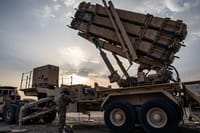
The collapse of diplomatic efforts has raised concerns about America's capacity to sustain prolonged military operations. A senior Pentagon official told Britain's Telegraph that depleted U.S. missile stockpiles leave Washington unable to maintain another full-scale war against Iran, with analysis showing the Pentagon has already expended at least half of its THAAD ballistic missile interceptors since fighting began.

Israeli officials monitoring the situation believe Washington is intensifying preparations for a possible return to full-scale confrontation within weeks, with one telling i24News bluntly: "There will be a war. The only question is when."

As mediators scramble to prevent further escalation, the window for diplomatic resolution appears to be narrowing rapidly. With American forces conducting nightly strikes and Iranian forces threatening to choke off global energy supplies, the 10-day pause proposal may represent one of the last off-ramps before the conflict spirals into all-out war.

Ready for more?

Join our newsletter to receive updates on new articles and exclusive content.

We respect your privacy and will never share your information.

Enjoyed this article?

Yes (36)
No (1)
Follow Us:
1

Unmissable content


Loading comments...

Also of Interest