Prime Minister Benjamin Netanyahu and Defense Minister Israel Katz have approved the launch of infrastructure work in eastern Rafah to prepare land for a Palestinian residential community outside Hamas control, according to reporting by military correspondent Doron Kadosh.
The decision was made approximately two weeks ago, occurring in parallel with approval for the multinational force's entry into the Gaza Strip, though it was not formally announced until now. The scope of the initial approval is strictly limited: earthwork and installation of electricity, water, and sewage systems. Political approval for caravans or temporary structures has not been granted and is not expected before November 2026, after national elections.
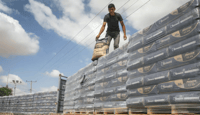
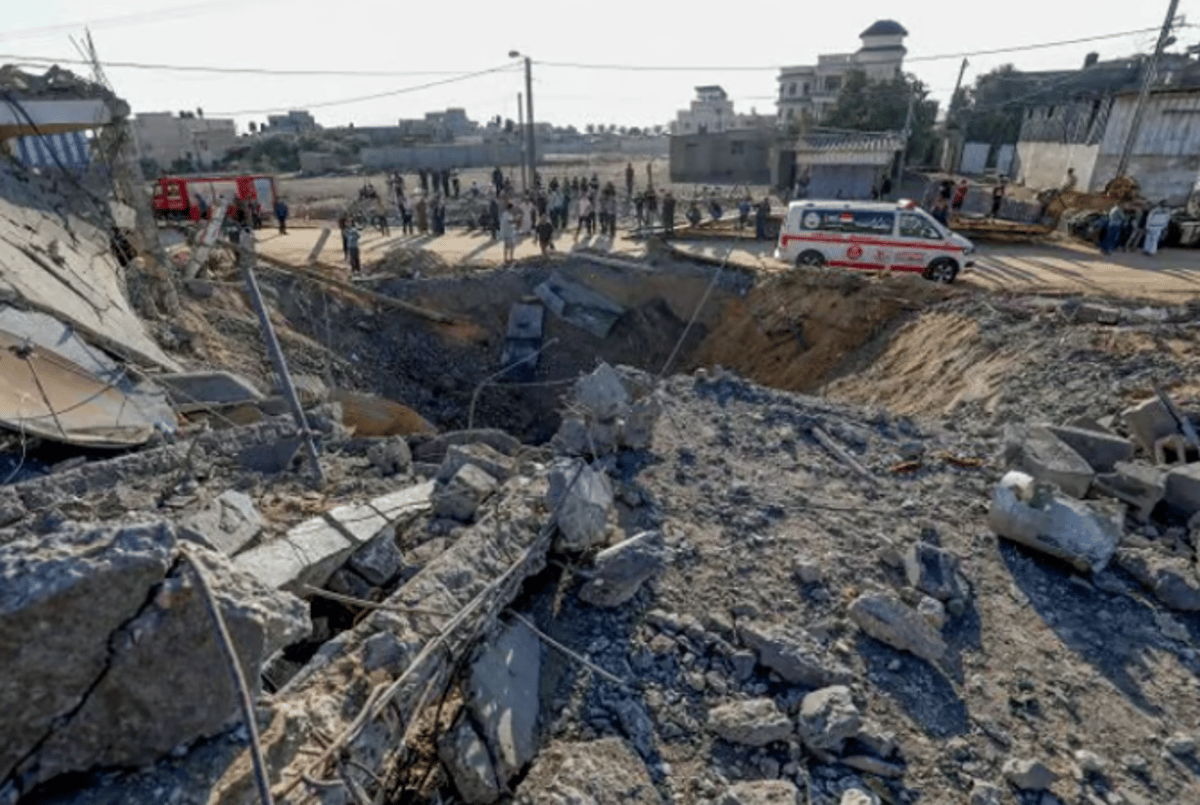
The construction site, designated "Green Rafah," is located within the yellow line and under full IDF control. The area was cleared during military operations and is currently vacant. According to security officials, Palestinian contractors and workers from Gaza will perform the initial construction, pending Shin Bet security screening for each individual worker.
The timeline remains preliminary. Security officials estimate that actual work could begin within several weeks, pending completion of the security vetting process. The infrastructure phase will establish baseline utilities to enable future residential construction.
Political Constraints on the Project
The approval represents a cautious, phased approach. The political echelon has deliberately withheld authorization for housing infrastructure, caravans, temporary shelters, or permanent structures. This constraint exists independently of military readiness: the government is holding back political approval until after the November 2026 general elections.
This sequencing reflects internal Israeli political sensitivity around reconstruction decisions during an active electoral period. The infrastructure phase is presented as technical preparation for future development, not as immediate housing implementation.
Government Response to Reporting
The Prime Minister's Office issued a statement in response to Srugim's reporting, disputing the characterization of the decision as new or previously secret. The office described the initiative as a known pilot project coordinated with the United Arab Emirates, located deep within Gaza adjacent to the yellow line, and already begun months ago with the goal of establishing a clean tent camp outside Hamas control.
The office also clarified the scope of work, stating that the IDF has already cleared the area of terror infrastructure, including the destruction of tunnels. The Prime Minister's Office asserted that electricity, water, and sewage work will not be performed by Gaza contractors and will be supervised directly by the IDF, contradicting the Srugim reporting on contractor sourcing.
Broader Context: Post-War Reconstruction Under Constraints
The Rafah project sits within a broader tension in Israeli reconstruction policy. Hamas has not begun dismantling its military infrastructure. The government's stated position is that reconstruction contingent on Palestinian Authority governance outside Hamas control is proceeding cautiously, with security vetting and military oversight. Yet political constraints, electoral timing, domestic coalition pressures, are shaping the timeline independently of security considerations.
The infrastructure-first approach suggests planning for eventual civilian return to Gaza, but the withholding of political approval for housing structures indicates that Israeli leadership is not yet fully committed to the pace or scope of that return.