New testimony emerges

Persian Heard Among Oct. 7 Attackers

Father of slain observer Roni Eshel reveals survivors reported hearing terrorists speaking Farsi inside the military outpost during the attack

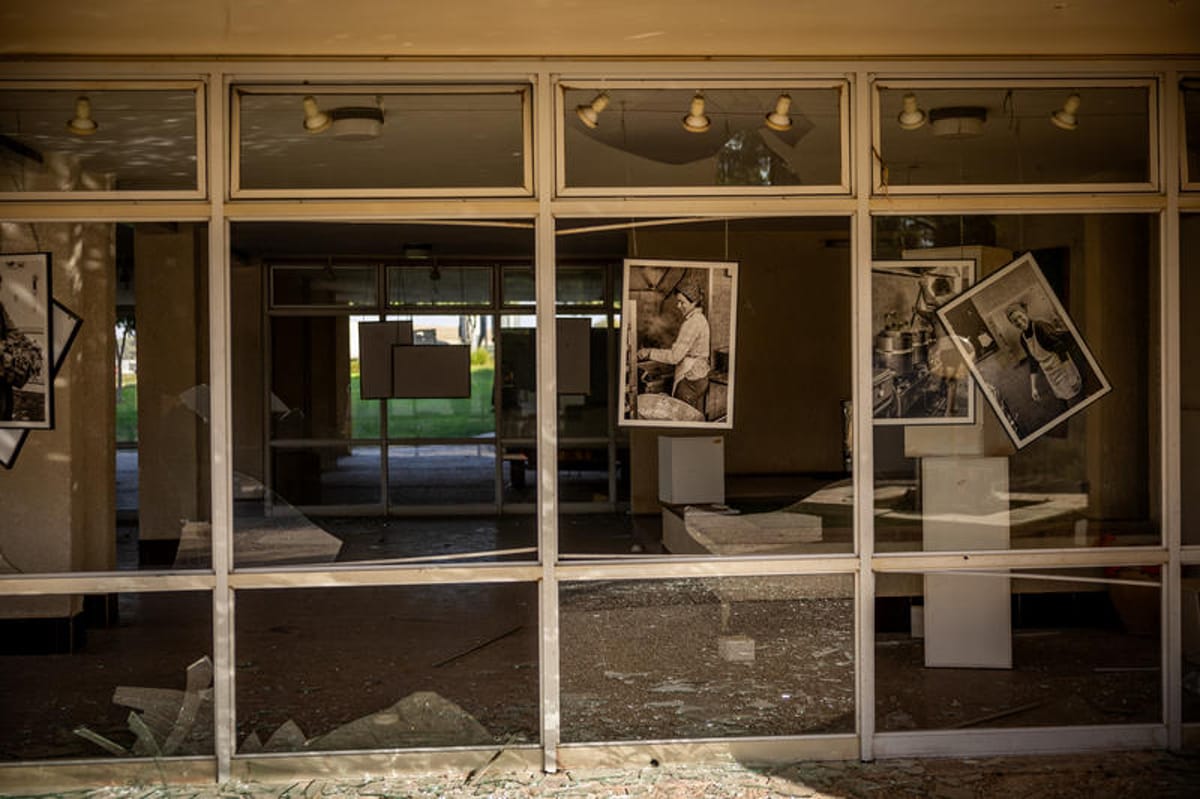
Nahal Oz after October 7th

Eyal Eshel, whose daughter Roni was killed during the October 7 attack on the Nahal Oz observation base, revealed dramatic new information in an interview with Israel's Channel 2 on Wednesday. According to survivors who were present during the assault, terrorists inside the military compound were heard speaking to each other in Farsi, the Persian language spoken in Iran.

"On Saturday, October 7, at the Nahal Oz base, terrorists were moving around and shouting to one another in Farsi," Ashel recounted during the broadcast. He added with evident pain, "Every day we learn new things. So here, we've learned this too."

The information, based on firsthand accounts from people who were at the base during the attack, raises difficult questions about the extent of foreign involvement in that day's events. While the public has generally understood the attackers to be local Hamas operatives from Gaza, these new testimonies point to the presence of Farsi speakers inside the Israeli military installation.
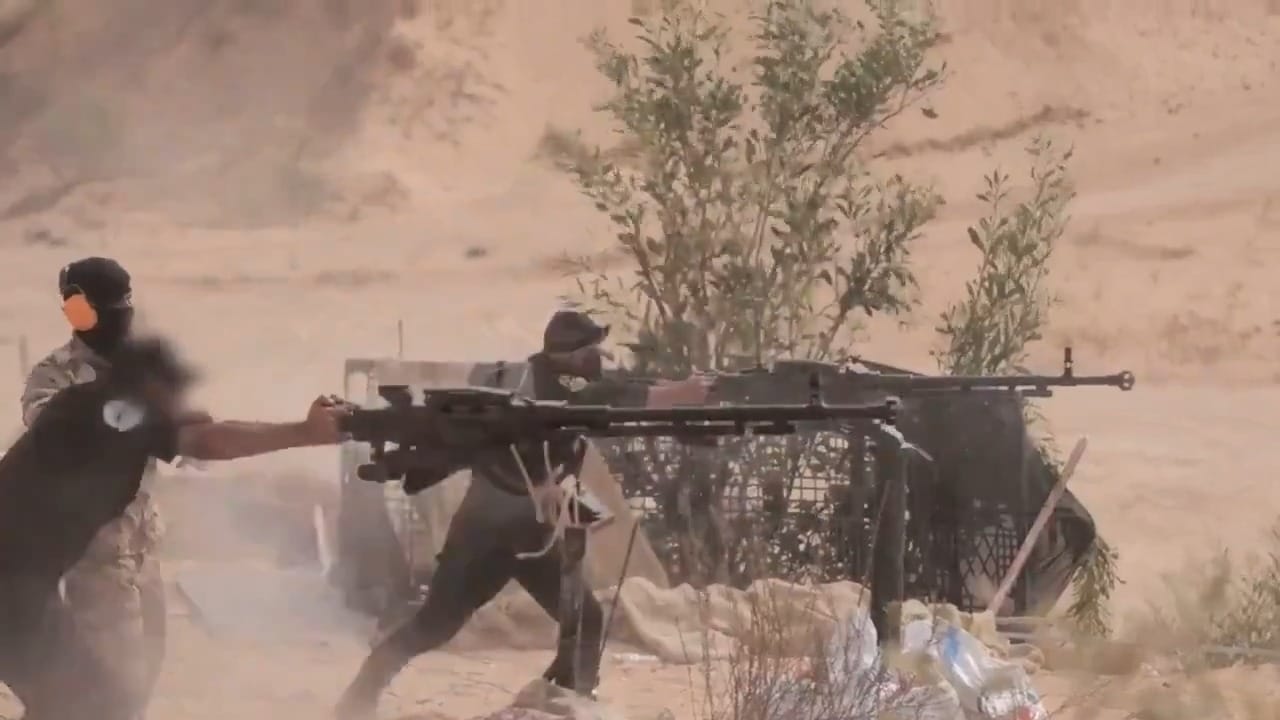
Eshel clarified that the new information came from survivors and individuals who served at the base and were there during the attack. "We're relying on people who were there and served at that location," he said, contrasting the reality on the ground with initial reports. "Yes, we know much more now about October 7 than we knew in the weeks and months afterward. Yes, today we know."

The fact that Farsi was heard specifically inside a central IDF command post reinforces intelligence assessments suggesting that Iranian proxy forces or advisers were deeply involved in preparing for the attack. Whether such forces were physically present on the ground during the assault itself remains an open question.

Beyond revealing the language spoken by the attackers, Eshel emphasized that these findings demonstrate the depth of the enemy's intelligence penetration even before the war broke out. "I understand from this detail that they collected information about us before October 7," he explained. Precise data collection about the base's structure, force deployment, and internal procedures enabled the terrorists to operate inside it with accuracy.

He noted that this information did not come from official sources, and he offered implicit criticism of the lack of transparency: "These are all things we're gathering ourselves. I'm working on this, I'm living it. I'm on a mission that Roni assigned to me." The gap between data collected on the ground and official information provided to families has led him to continue investigating his daughter's murder independently.

In his painful remarks, he also addressed the personal and national impact of these findings, and his central motivation for continuing to uncover the truth. "I've more or less come to terms with the fact that Roni won't return, yes, but she assigned me the mission to make this country better, to heal it, to try to heal it," he shared.

"I'm trying with all my strength. It takes enormous resources and enormous will so that the children growing up here today will grow into a different reality, because we deserve it, they deserve it," the bereaved father added.

The new testimonies add to the complex picture gradually emerging about the events of October 7. Roni Eshel was among the female observers brutally murdered at the Nahal Oz outpost, and her family continues to demand answers about what happened on that terrible day.

Ready for more?

Join our newsletter to receive updates on new articles and exclusive content.

We respect your privacy and will never share your information.

Enjoyed this article?

Yes (20)
No (1)
Follow Us:

Unmissable content


Loading comments...

Also of Interest