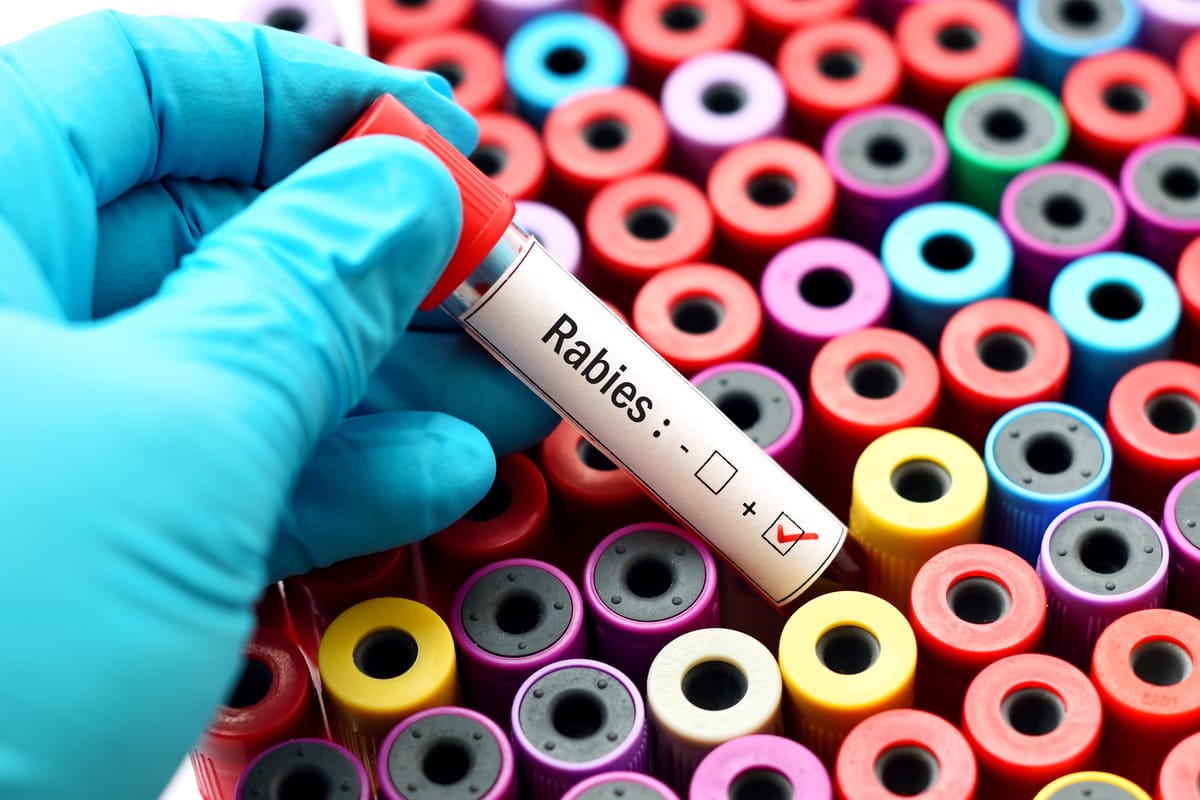
Israel's Ministry of Health issued an urgent public health alert on Monday after a rabies-infected donkey was discovered in Maale Gamla, a community in the Golan Heights regional council. The animal died from the disease on July 31, with confirmation of rabies infection received the following evening.
According to the ministry, four people who had contact with the infected donkey have already been referred for preventive treatment against the fatal disease. The ministry is now seeking to identify any additional residents or visitors who may have been exposed.
The ministry is urging anyone who had direct contact with the donkey or with stray animals in the Maale Gamla area between July 17 and July 31, 2026, to contact the Kinneret Health Office immediately at 04-6710300 or the health office closest to their place of residence for evaluation and possible preventive treatment.
After business hours and on weekends, individuals should proceed directly to the nearest hospital emergency room.
The Ministry of Health has issued several recommendations to the public:
- Parents are advised to ask their children whether they had contact with any suspicious animals in the area and to seek health office consultation if exposure is suspected.
- Pet owners should contact a municipal veterinarian to confirm vaccination status of their animals.
- Residents and tourists are asked to share information about the incident with others in the Maale Gamla area and surrounding communities.
- The ministry also reminds the public that anyone bitten or scratched by an animal should immediately wash the affected area with running water and soap, disinfect with antiseptic solution, and seek health office evaluation to determine whether preventive rabies treatment is necessary.