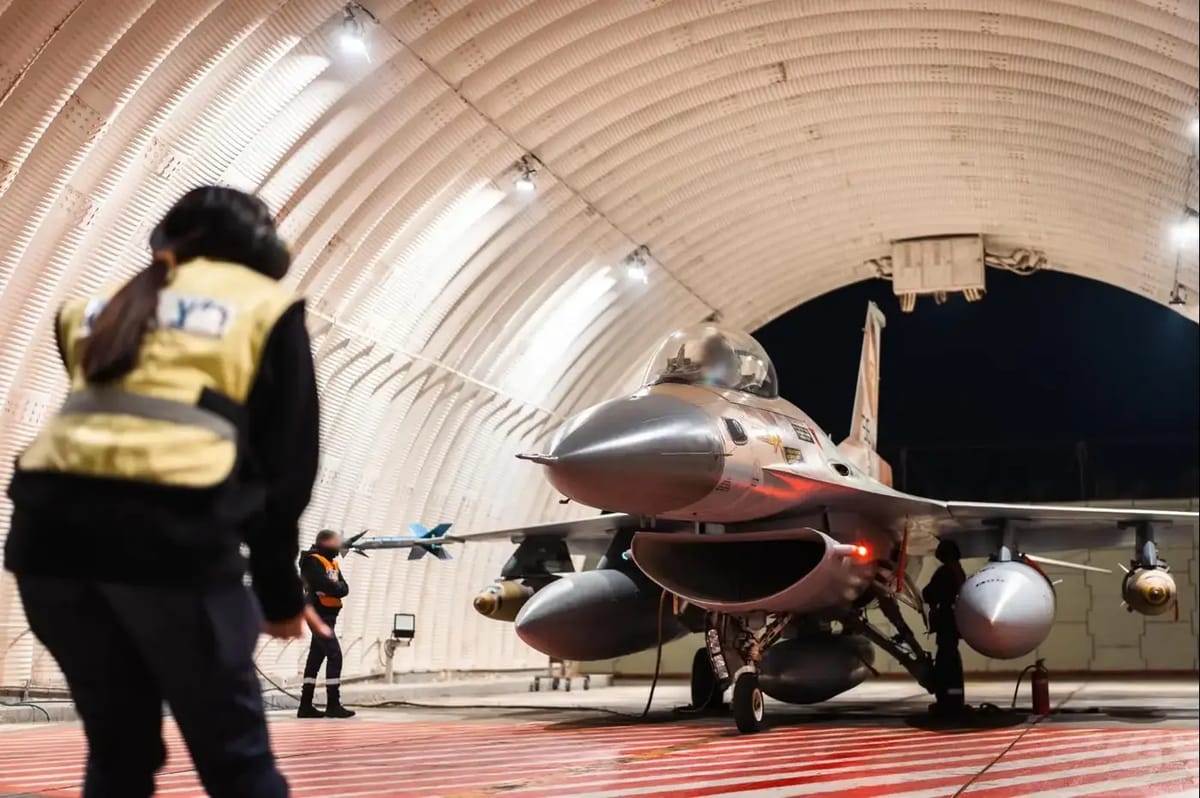
A senior Israeli defense official confirmed to Walla on Monday evening that the Israel Defense Forces maintain high readiness for potential escalation with Iran. The source emphasized that military coordination with CENTCOM and the United States Armed Forces remains tight, operating under shared intelligence frameworks as regional security conditions fluctuate.
The defense assessment comes as U.S. President Donald Trump escalated public warnings toward Tehran during press briefings in Washington, insisting that diplomatic communication channels remain open despite official denials from Iranian representatives.
"This is their last chance to sign the agreement," President Trump stated to reporters, confirming that active discussions regarding regional maritime routes were continuing behind the scenes.
Addressing questions regarding potential transit fees or administrative tolls proposed for the Strait of Hormuz, President Trump rejected any Iranian authority over commercial shipping lanes.
"I will not let them collect anything. If anyone collects, it will be us. We have full control over the strait. We have what you call a naval blockade using our Navy, there will be no collection," Trump asserted.
When questioned about his decision to halt planned military operations targeting Iranian infrastructure, President Trump explained his intention to allow a final opportunity for diplomatic resolution.
"I do not know. I think maybe we will achieve something, but I want to give them every last chance before head choppings," Trump noted regarding the postponed strikes.
Concurrently, reporting by CBS News indicates that Iranian political leadership assesses President Trump is utilizing public warnings and troop movements to gain bargaining leverage rather than launching a comprehensive war. Iranian sources noted that unfulfilled ultimatums issued in April, May, and June reinforced Tehran's belief that Washington seeks to avoid long term regional entanglements.
Officials in Tehran expressed confidence that the Iranian regime can absorb economic and military pressure while relying on regional proxy networks, including Houthi forces in Yemen, to disrupt international shipping and increase operational costs for Western allies until diplomatic terms shift in their favor.
According to statements provided to Walla, Israeli security personnel continue daily operational assessments alongside American military representatives to ensure defense systems and strike assets remain prepared for rapid deployment.