The U.S. Central Command has sent a classified request to military analysts requesting creative and unconventional methods to pressure and punish Iran, according to reporting from CNN, signaling deepening frustration with the effectiveness of the Trump administration's multi-month military campaign against Tehran.
The unusual request reflects what U.S. officials privately describe as strategic stalemate. Despite weeks of intensive airstrikes against Iranian military targets and the deployment of over 50,000 American troops to the region, traditional military and economic pressure tactics have failed to force Iran to the negotiating table or compel behavioral change, according to military officials and analysts.
The solicitation for "new, innovative, and unconventional" approaches marks a significant shift in how U.S. military leadership is approaching the conflict. Rather than relying on conventional bombing campaigns, CENTCOM leadership is now casting a wide net within the intelligence and policy community, asking analysts to bypass traditional strategic frameworks and propose methods outside standard military doctrine.
Rejected Strategic Options
Military planners have examined and largely discarded several major options over the preceding weeks. Proposed Operation Hammer Strike, which would target Iran's heavily fortified underground nuclear facilities, has been assessed as unlikely to succeed; experts warn that conventional munitions cannot penetrate the deep underground bunkers housing Iran's most sensitive weapons development work.
Ground invasion options, including limited operations to seize the island of Kharg or capture uranium reserves, have been rejected due to fears of prolonged ground warfare and the risk of the conflict spiraling beyond U.S. ability to control escalation.
Strikes on civilian infrastructure, including bridges and water treatment facilities, have been ruled out on moral and political grounds, with policymakers concerned about civilian casualties and international backlash. The Pentagon's assessment is that such strikes would generate significant political cost without achieving military objectives.
Military Escalation Continues
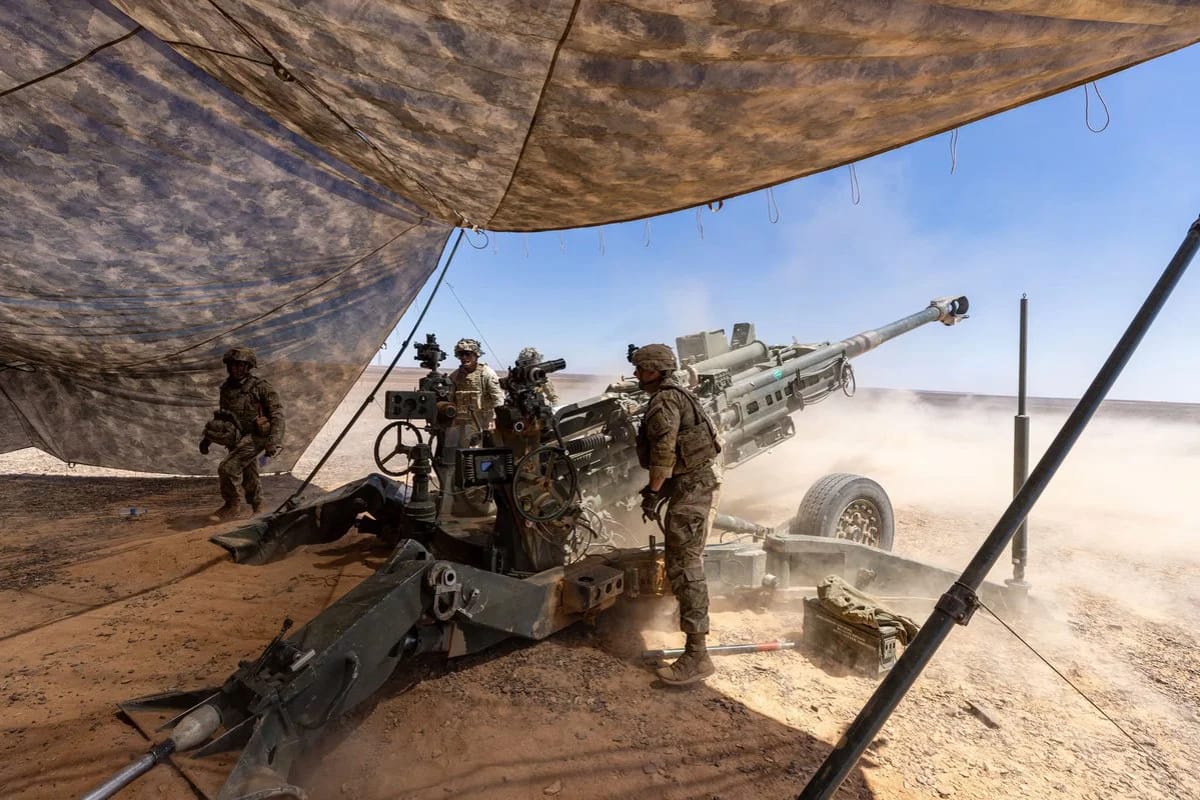
Even as CENTCOM searches for new strategic approaches, conventional operations continue unabated. Over the past twelve consecutive nights, U.S. Central Command has conducted repeated airstrikes against Iranian military targets, including advanced naval capabilities, missile storage facilities, unmanned aircraft, coastal surveillance sites, and air defense systems. The stated objective is to degrade Iran's capacity to conduct attacks on commercial and civilian shipping transiting international sea lanes.
The military has deployed advanced fighter aircraft to the region, including F-16CJ Block 50 jets equipped with specialized systems designed to suppress radar and destroy air defense batteries, in an effort to create what military planners describe as deep penetration corridors into Iranian airspace.
The human cost of the campaign has mounted. Four American service members have died since the beginning of Operation Lion Roar, including Second Lieutenant Tyler James Peehan, 25, and Petty Officer Isabella Gonzales, 19. The Iranian strike on Jordan also resulted in additional casualties, with one soldier dying from his wounds days after the attack.
Regional Constraints on U.S. Options
A significant constraint on American strategic options is the refusal of key regional allies to participate in offensive operations. As detailed in separate reporting, both Egypt and Jordan declined to launch direct strikes against Iran despite missile attacks on their territory, citing concerns about economic collapse and proxy retaliation. Their refusal to join offensive operations has narrowed Washington's strategic options and complicated efforts to build a unified regional response.
Iran's Nuclear Advancement
Meanwhile, U.S. intelligence assessments indicate that Iran is continuing to advance its nuclear program despite military pressure. According to American intelligence estimates, Iran's new Supreme Leader Mojtaba Khamenei is determined to acquire a nuclear warhead, leveraging ongoing regional chaos to advance the weapons program. In recent months, Iran has reportedly transferred thousands of sensitive centrifuges into the heavily fortified underground complex known as Fordow Mountain, which has thus far escaped both Israeli and American strikes.
The simultaneous pressure from conventional military campaigns and Iran's steady progress toward nuclear capability has created what military analysts describe as a closing window of opportunity for conventional military solutions. The gap between what Washington can achieve through bombing and what it needs to achieve—stopping Iran's nuclear program and forcing behavioral change—has become the central strategic puzzle facing Trump administration policymakers.
The request for unconventional approaches suggests that military leadership has concluded that the traditional tools of military statecraft are insufficient to the task at hand. Whether unconventional tactics can bridge this gap remains an open question as the campaign enters its fourth month.