Strategic Caution

Russia Hides Su-57 Jets From Ukraine War

Moscow avoids deploying its cutting-edge Su-57 stealth aircraft in active combat over Ukraine, fearing their loss would devastate Russia's defense industry reputation and international arms sales

מטוס  Su-57
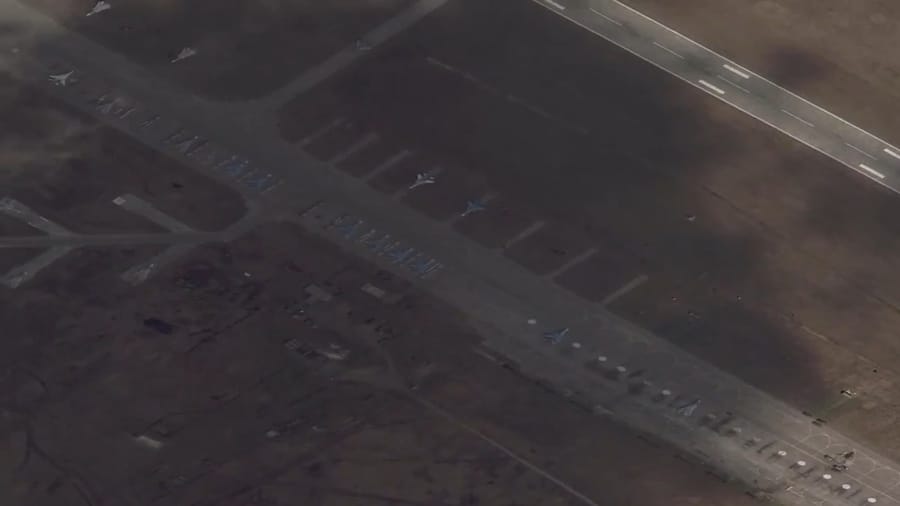
תקיפת מטוסי סוחוי של רוסיה
תקיפת מטוסי סוחוי של רוסיה (צילום: מודיעין ההגנה של אוקראינה)

Despite possessing one of the world's most powerful and well-funded air forces, Russia has failed to establish complete air superiority over Ukraine. Military analysts attribute this ongoing failure directly to the resilience of Ukraine's air defense network, which has proven far more durable than Moscow anticipated.

Ukraine's defensive umbrella combines older Soviet-era S-300 systems with advanced Western platforms including Patriot and IRIS-T batteries, modern radar equipment, and recently deployed F-16 fighter jets. This layered approach has transformed Ukrainian airspace into a lethal environment for Russian aircraft, forcing Moscow to fundamentally reconsider its aerial strategy.

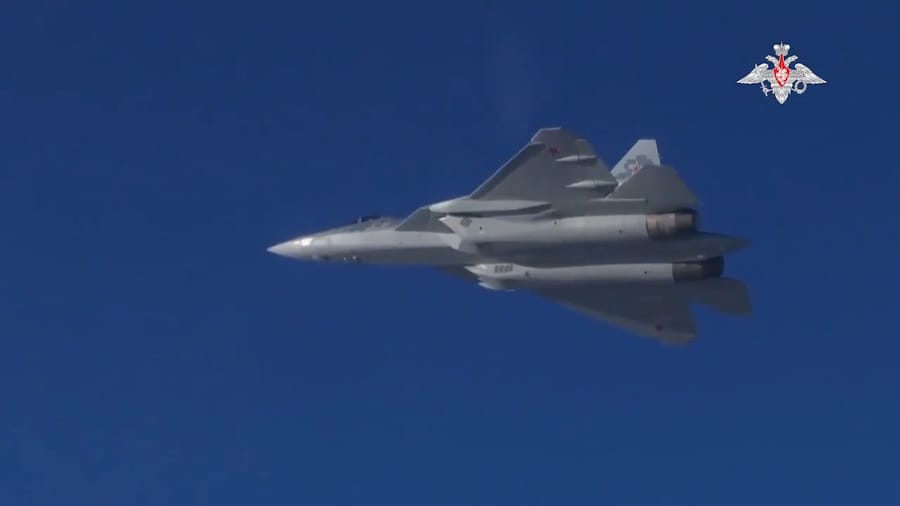
מטוס סוחוי יוקרתי
מטוס סוחוי יוקרתי (צילום: משרד ההגנה הרוסי )

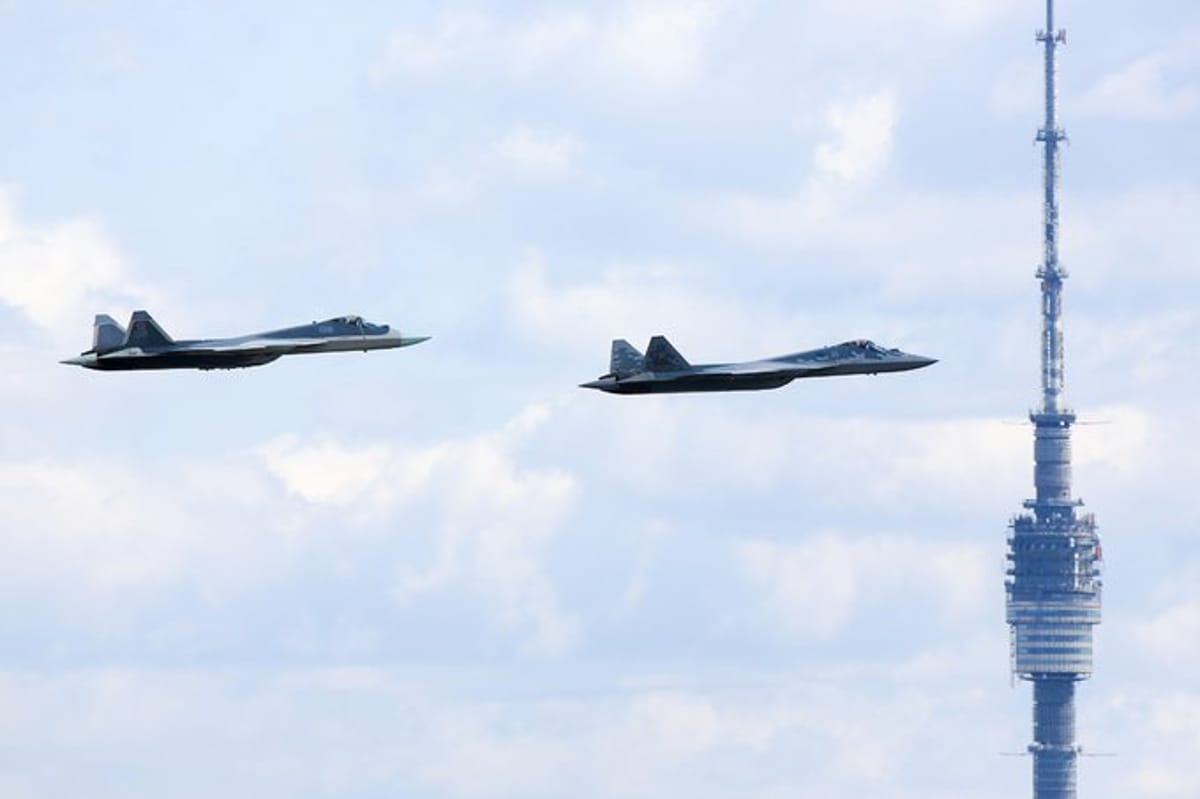
Russia's fleet of Su-57 stealth fighters—its newest and most technologically sophisticated aircraft—remains conspicuously absent from active combat operations over Ukraine. The country possesses fewer than 35 operational Su-57 aircraft, making each one strategically precious.

The loss or downing of even a single Su-57 by Ukrainian air defenses would represent a devastating blow to Russia's defense industry credibility and would effectively eliminate any prospects for exporting the aircraft to international buyers. This concern drives Moscow's operational decisions regarding the platform.

Unlike American F-35 fighters, which are designed for deep penetration into enemy territory, Russia employs its Su-57s primarily as "aerial snipers." The aircraft launch long-range missiles from within Russian airspace itself, minimizing exposure to Ukrainian defenses and keeping the valuable jets far from harm's way.

Following waves of Ukrainian drone strikes deep inside Russian territory, Su-57 aircraft have recently been reassigned to intercept explosive drones over Russia rather than participate in offensive operations against Ukraine. This defensive redeployment underscores Moscow's struggle to achieve aerial dominance against Ukrainian forces.

Russia's difficulties stem from several critical battlefield factors: a dense defensive network that effectively integrates aging Soviet equipment with cutting-edge Western technology, the threat posed by F-16s that have dramatically enhanced Ukraine's interception capabilities, and the tactical inflexibility of Russian air doctrine.

Throughout the conflict, Russian air forces have demonstrated persistent difficulties coordinating real-time operations between ground and air units, hampered by a centralized and rigid command structure. The current situation has produced attrition and complete stalemate in the aerial dimension of the war.

Rather than Russian airpower deciding the conflict from above, Moscow has been forced to rely primarily on launching missiles from distant positions and deploying glide bombs, while Ukrainian skies remain a dangerous and contested battleground for both sides.

Recent American intelligence assessments suggest that Russia's difficulties in Ukraine may lead Putin to test NATO's resolve with a limited offensive in coming years. The frozen aerial war over Ukraine illustrates the limitations of Russian military power when confronted with advanced Western technology.


Ready for more?

Join our newsletter to receive updates on new articles and exclusive content.

We respect your privacy and will never share your information.

Enjoyed this article?

Yes (42)
No (2)
Follow Us:

Unmissable content


Loading comments...

Also of Interest