Black Sea Conflict

Russia Targets Grain Ships in Black Sea

At least 50 civilian vessels attacked in June-July as Moscow systematically targets Ukrainian grain exports, killing over 30 civilians and raising fears of worldwide food crisis

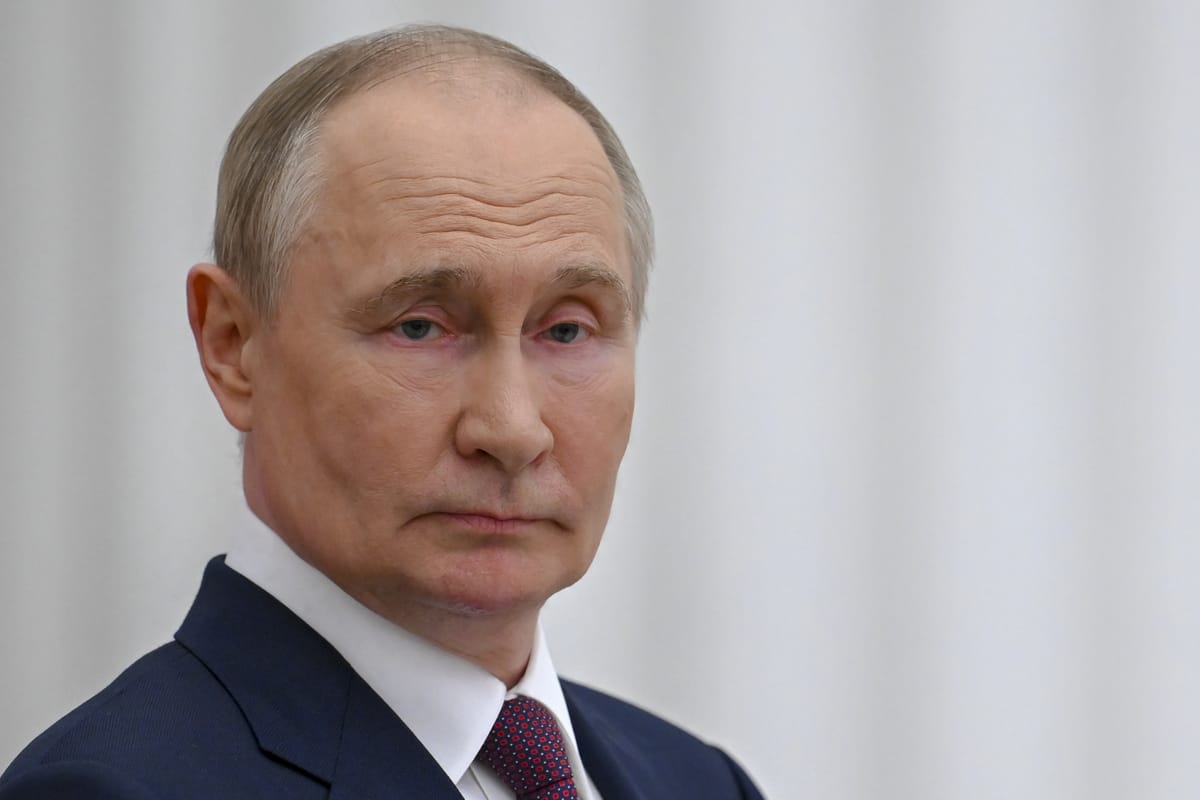
Putin

Russian forces are conducting a systematic campaign against civilian grain vessels in the Black Sea, attacking ships attempting to export Ukrainian wheat and other crops. The offensive, which began at the start of harvest season, has nearly paralyzed shipping operations at Odesa and neighboring ports, raising alarm about potential global food shortages.

According to published data, Russian forces attacked at least 50 commercial vessels during June and July alone, resulting in more than 30 civilian deaths. "Russia is hunting these vessels," said Dmytro Brynov, president of the Ukrainian Seaports Association, in a published interview. "This is professional hunting of civilian ships."

The attacks represent the latest chapter in the prolonged maritime struggle between Russia and Ukraine over critical shipping routes. Advanced weaponry capable of precision strikes from long distances has turned slow-moving cargo ships into easy targets. The Russian assaults are viewed as retaliation for systematic Ukrainian operations against Russian oil tankers and cargo vessels in the Sea of Azov, which have left the occupied Crimean peninsula isolated and fuel-starved.

This past Wednesday, Ukraine launched a major strike on Russia's Novorossiysk port on the Black Sea, using drones, missiles and unmanned naval systems. President Zelensky reported that air defense positions, piers and port infrastructure were hit. According to Russian reports, three people were killed in the attack, including an 8-year-old child, and approximately 60 residential buildings were damaged. The city's mayor declared a state of emergency.

The Black Sea crisis forms part of a broader global phenomenon threatening one of the fundamental principles of international order: freedom of navigation. Major shipping routes including the Red Sea and the Strait of Hormuz face constant pressure, as state and non-state actors deploy drones, anti-ship missiles and mines to disrupt maritime traffic. The Strait of Hormuz, a key passage for oil and gas transport, has been effectively closed since the American-Israeli strike on Iran in February.

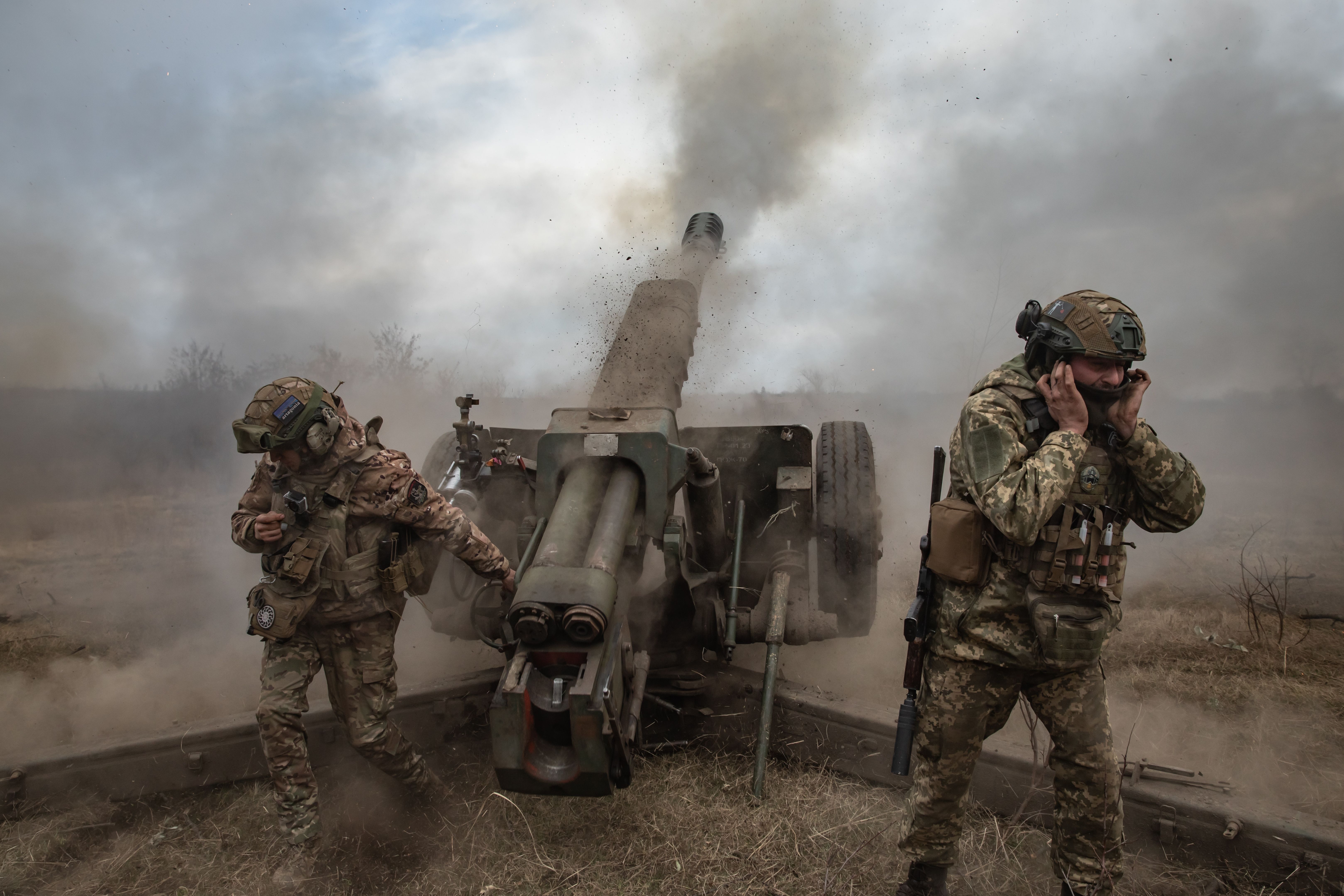
Ukrainina soldiers
Ukrainina soldiers (Photo: Shutterstock )

At Odesa and two nearby ports—which account for approximately 60% of Ukraine's monthly export revenue totaling $3.5 billion—millions of tons of grain risk being trapped. The Ukrainian Agrarian Council, a major trade organization, has warned of a wave of bankruptcies and urged the government to provide emergency loans and state guarantees.

The situation evokes memories of Russia's 2022 blockade of Ukrainian ports, which caused sharp increases in global food prices and placed some 70 million people at risk of severe food insecurity. In July of that year, the United Nations and Turkey brokered the Black Sea Grain Initiative, which allowed shipping to resume. The agreement collapsed a year later, though by then Ukraine had succeeded in pushing the Russian fleet from the northern Black Sea region.

Now, with harvest season beginning, the crisis threatens to worsen. Ukraine is a major supplier of wheat, corn and barley to global markets, particularly to African nations dependent on its grain imports. Blocked exports could cause bread shortages and food insecurity in many countries, especially those already suffering from economic crises.

Ready for more?

Join our newsletter to receive updates on new articles and exclusive content.

We respect your privacy and will never share your information.

Enjoyed this article?

Yes (22)
No (1)
Follow Us:

Unmissable content


Loading comments...

Also of Interest