Get our mobile app
Download on the App StoreGet it on Google Play

War in Yemen

Saudis hit 324 Houthi targets in Yemen

100 warfighters deployed in renewed offensive against Iranian-backed militia; 500 dead as ceasefire collapses, 50,000 flee Bab al-Mandab strait

Fire in Saudi Arabia: Houthis strike cities and energy facilities — 73 wounded

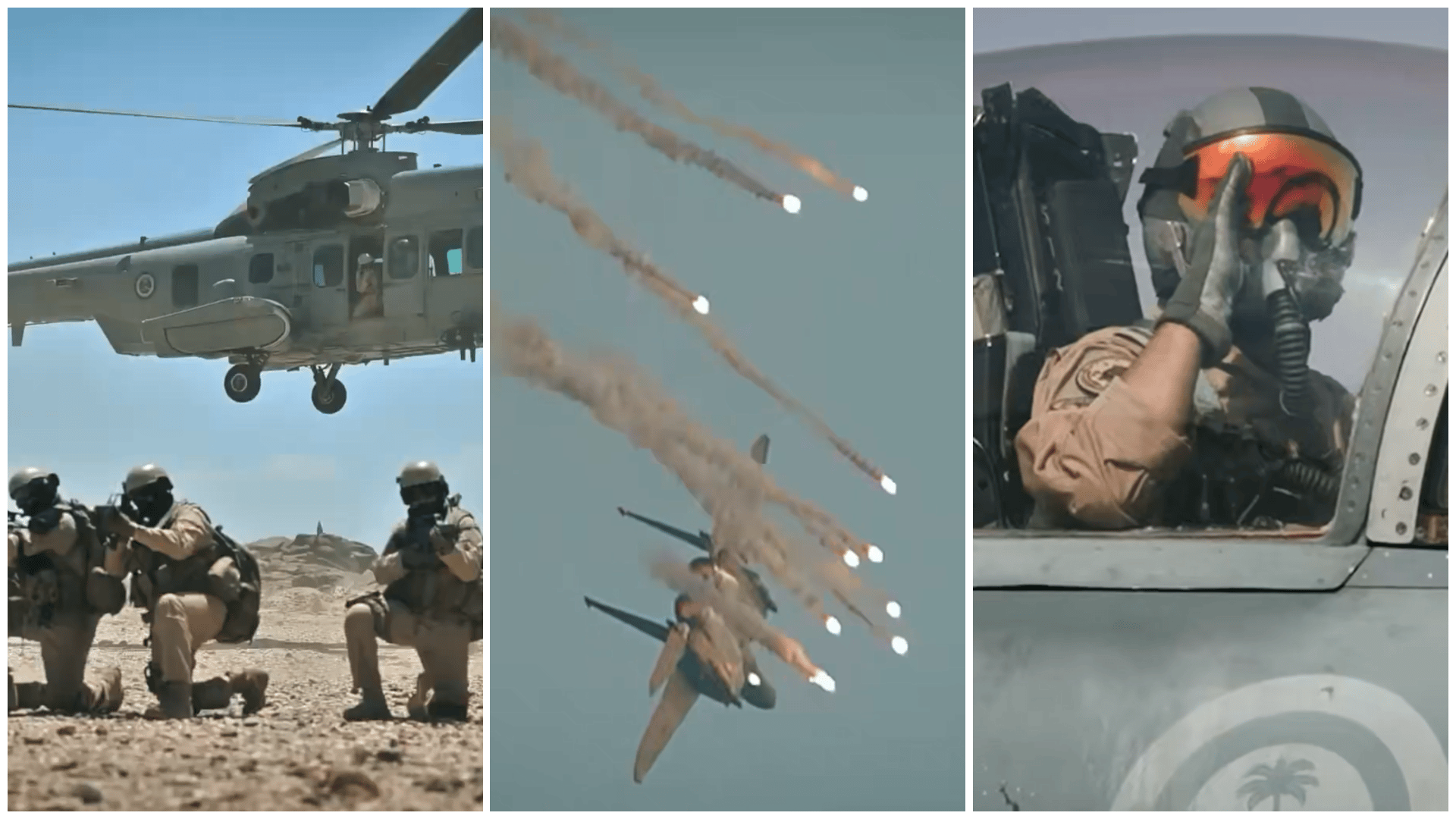
A Saudi-led military coalition launched a massive air operation in Yemen on Monday under the name "Fajr al-Yaman" (Dawn of Yemen), deploying 100 warplanes and destroying at least 324 "high-value targets" belonging to the Iranian-backed Houthi militia. The operation marks a renewed flare-up of Yemen's civil war after a period of relative calm.

Coalition spokesman Brigadier General Turki al-Maliki announced the operation's scope: round-the-clock air cover for internationally recognized Yemeni government forces, air defense over the Bab al-Mandab strait, the strategic shipping lane through which roughly 12% of global trade passes, and continued strikes on moving Houthi targets.

The operation was launched by Yemeni Presidential Leadership Council chairman Rashad al-Alimi with stated objectives: restoring state institutions, recapturing territory held by the Houthis, and liberating Sana'a. Yemeni forces, including the "Giants Brigades" and "National Shield," reported significant advances in the Dhubab area, seizure of the local airfield, and blocking of key routes near Bab al-Mandab.

Field reports indicate hundreds of Houthi fighters have been surrounded in the area. The escalation comes against the backdrop of broader regional tensions, including the confrontation between the United States and Iran, in which the Houthis serve as a central player in the resistance axis.

In recent months, the Houthis renewed their offensive, captured territory along the Red Sea coast, and directly threatened shipping lanes. In September, Houthi forces completed one of their largest territorial gains since the war began, seizing the port of Mocha on Yemen's western coast and advancing south toward Dhubab.

During the takeover of the area, the Houthis captured massive military assets, including the Bani al-Hakam airfield — an advanced military landing strip with a runway approximately 3.2 kilometers long built with Emirati support, fortified mountain outposts including the al-Omari camp overlooking the strait directly, underground bunkers, advanced surveillance systems, and control anchors at Mocha port.

Yemeni and Western sources point to the Houthi offensive being accompanied by deep advisory and guidance from Iran's Revolutionary Guards. According to a Reuters report, the rapid and dangerous military move by the Houthis along the Red Sea coast is the result of a direct order that came from Revolutionary Guard offices in Tehran.

The Saudi coalition, which includes several Arab states, has returned to extensive air operations to halt the advance and support the legitimate government. Saudi Arabia emphasizes its right to defend its security and international freedom of navigation.

According to data emerging from the field, some 500 dead have already been counted amid the complete collapse of the ceasefire. Close to 50,000 people are fleeing in panic from their homes facing the burning Bab al-Mandab straits. The Taiz area is ablaze from Yemeni army strikes, and entire villages have been reduced to ash. The Houthis report 129 Saudi strike sorties in the past 48 hours.

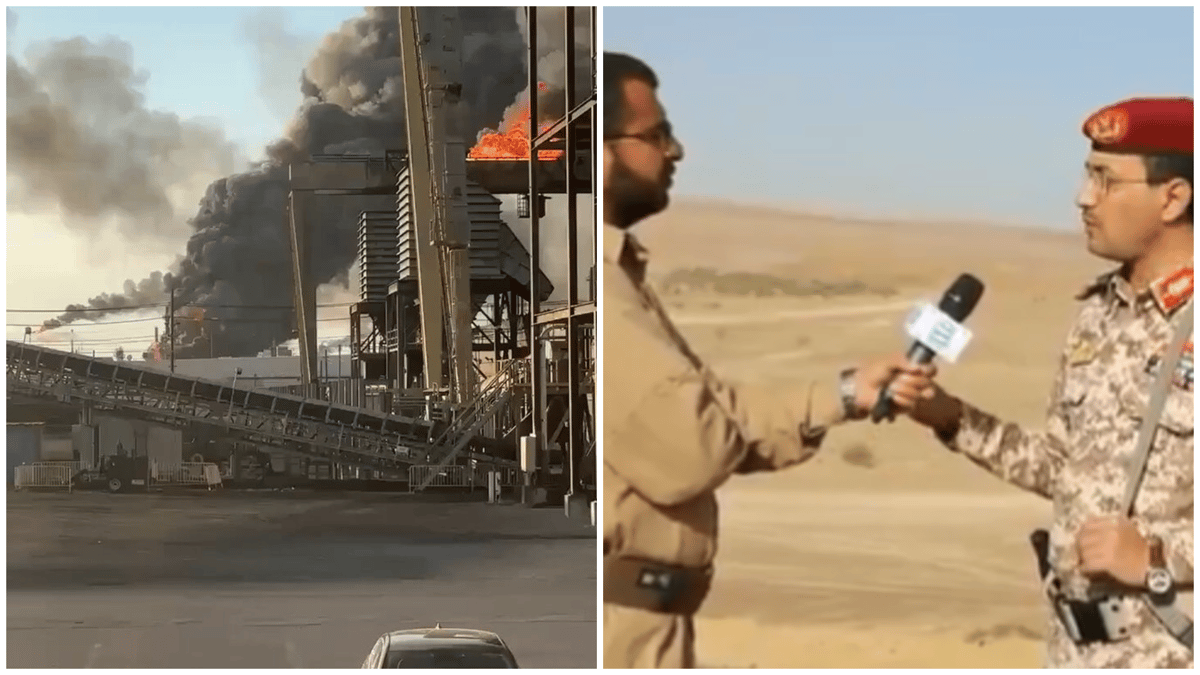
Fire in Saudi Arabia: Houthis attacked cities and energy facilities - 73 wounded
Fire in Saudi Arabia: Houthis attacked cities and energy facilities - 73 wounded (Photo: Social media)

Parallel to the military operation, a recovery was recorded today in crude oil exports from the Middle East. For the first time since the conflict began in February, the weekly average of oil shipments from Middle Eastern countries, excluding Iran, passed the threshold of 18 million barrels per day for several consecutive days. The data, revealed by maritime tracking firm Kpler, shows a recovery in trade volumes despite maritime terror.

Alongside the increase in shipments, oil prices fell in the markets: Brent crude dropped 1.6% to $101.35 per barrel, and WTI crude fell 1.20% to $90.02 per barrel. The volume recovery is occurring despite Iranian blockade attempts and attacks on vessels in the Strait of Hormuz.

Ready for more?

Join our newsletter to receive updates on new articles and exclusive content.

We respect your privacy and will never share your information.

Enjoyed this article?

Yes
No
Follow Us:

Unmissable content


Loading comments...

Also of Interest