The Sea of Galilee presents a deceptive danger to visitors, particularly during the popular "bein hazmanim" (yeshiva break) period when thousands of students and families flock to Israel's northern region. Many assume the lake is safer than the Mediterranean Sea—the water is fresh rather than salty, there are no crashing ocean waves, and morning hours often reveal a perfectly calm, pastoral surface.
Deceptive Calm: Why Afternoon Hours Are Most Dangerous
480 Emergencies at Sea of Galilee in One Week
United Hatzalah's specialized unit responds to surge in water-related incidents as afternoon winds create dangerous conditions for swimmers and boaters at Israel's largest freshwater lake
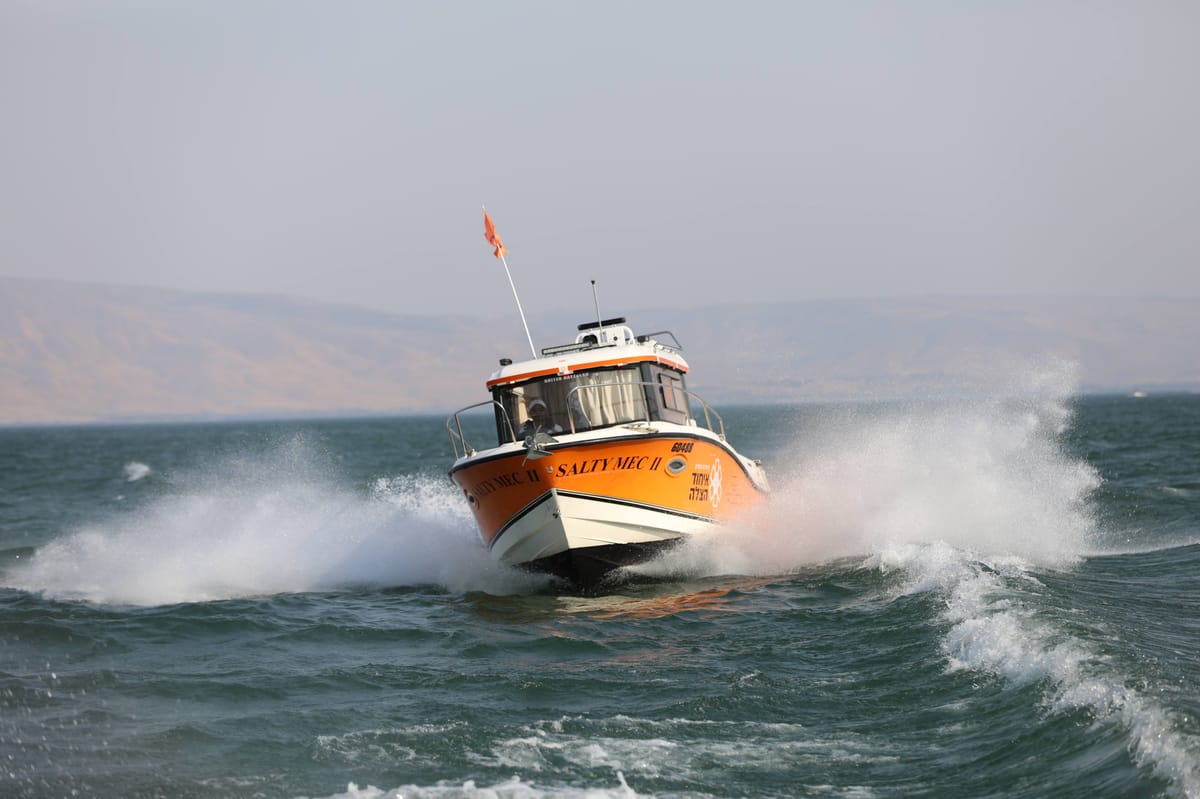
That tranquility, however, masks a well-documented meteorological phenomenon that emergency responders know all too well: powerful afternoon wind currents that transform the placid lake into a treacherous environment within minutes.
During morning hours, the water typically remains calm. But starting in the late afternoon, strong westerly winds descend from the surrounding hills and sweep across the water with sudden intensity. The previously calm surface quickly develops waves, and the wind acts as a horizontal force that rapidly pushes inflatable rafts, paddleboards, kayaks, and swimmers eastward into deeper water.
Swimmers frequently find themselves hundreds of meters from shore within minutes. When they attempt to swim back against the wind and current, many become exhausted and panicked, creating immediate drowning risks.
This complexity, combined with massive concentrations of visitors during holiday periods, requires emergency services to deploy specialized operations around the lake.
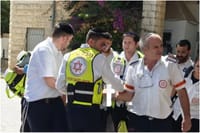
United Hatzalah's elite "Yehidat Hod" (Special Unit) recently completed an intensive week of operations in Tiberias and around the Sea of Galilee, working alongside volunteers from the organization's Tiberias branch to provide rapid medical response to the large crowds visiting the area during the mid-week period of the yeshiva break.
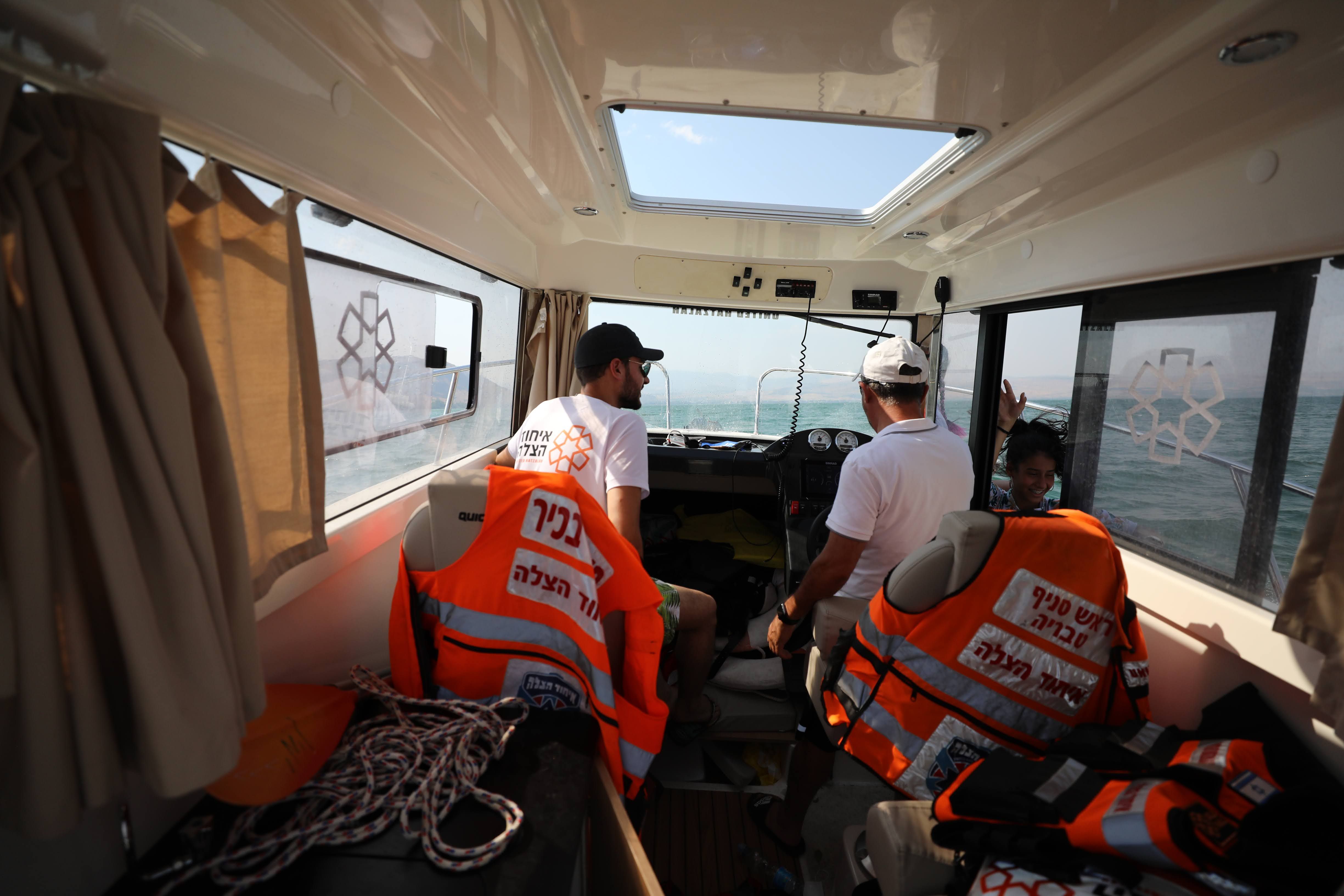
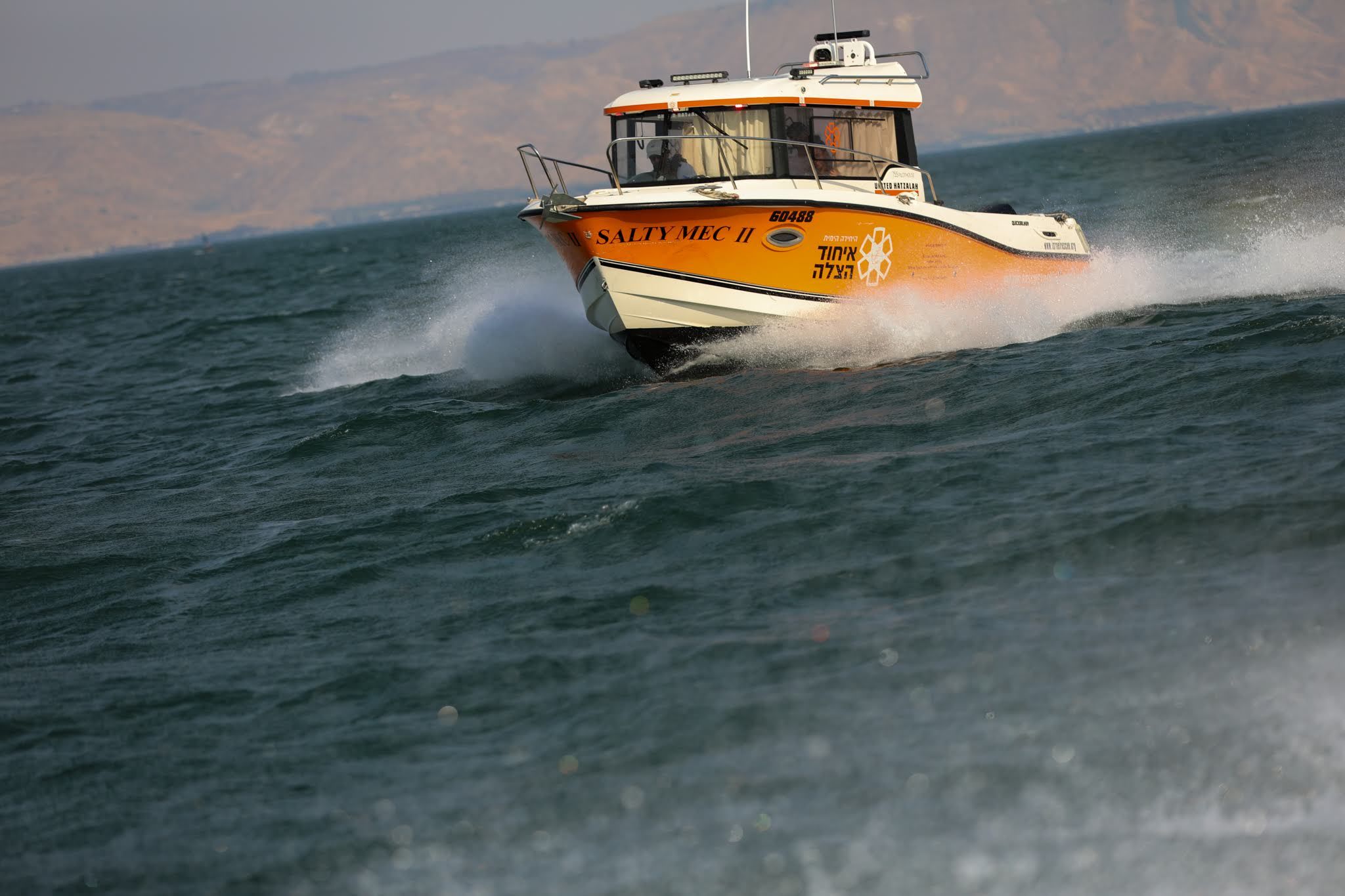
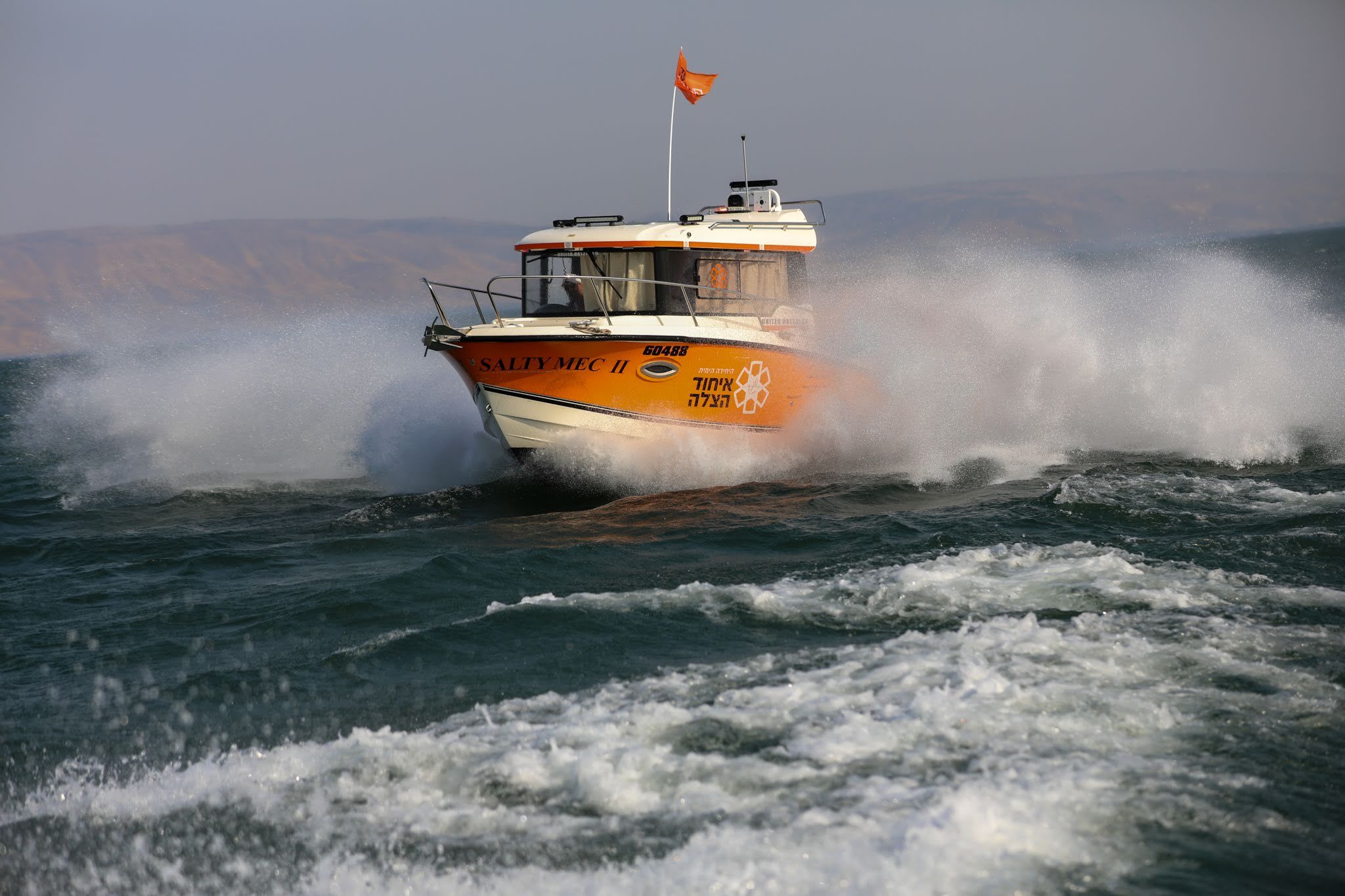
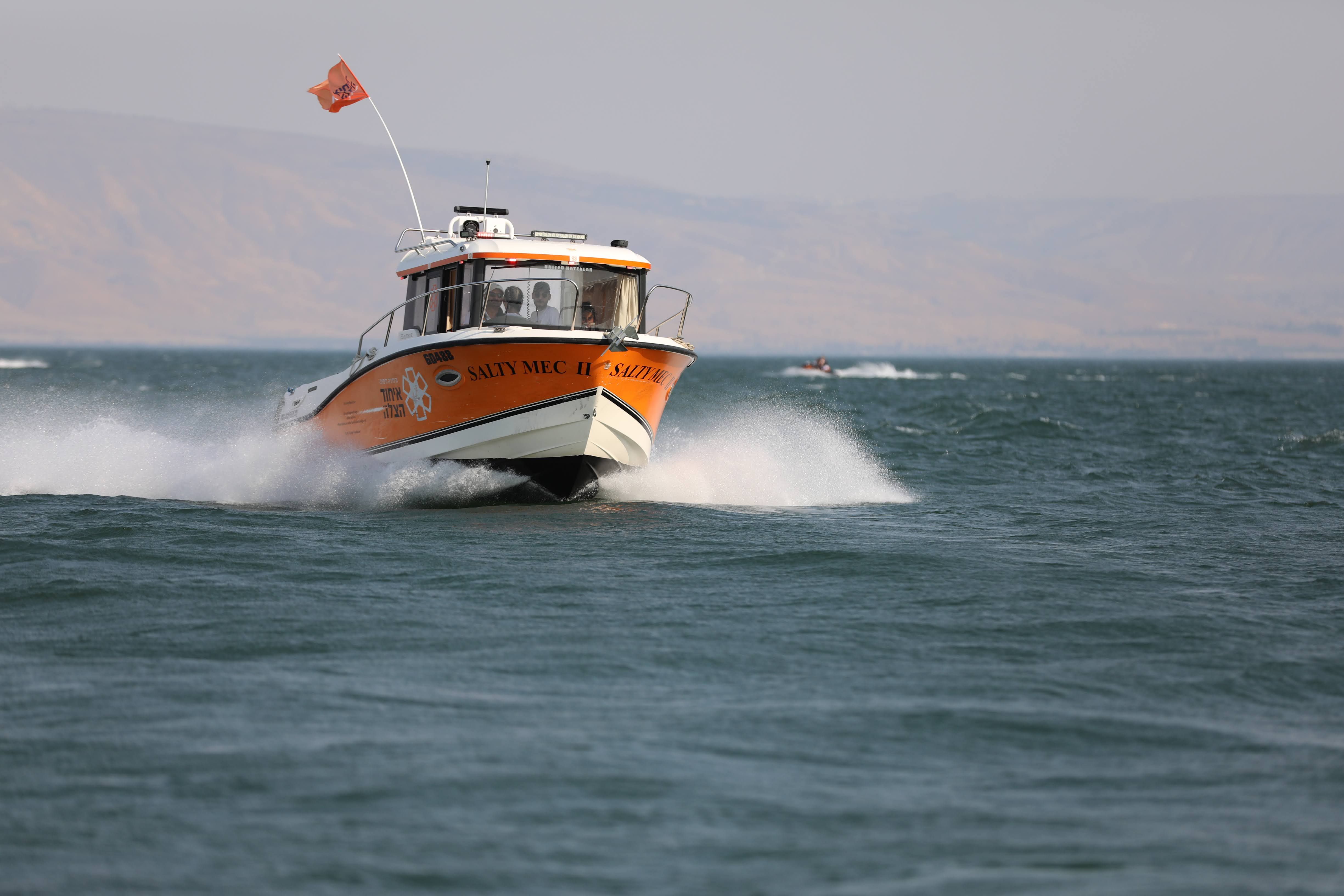
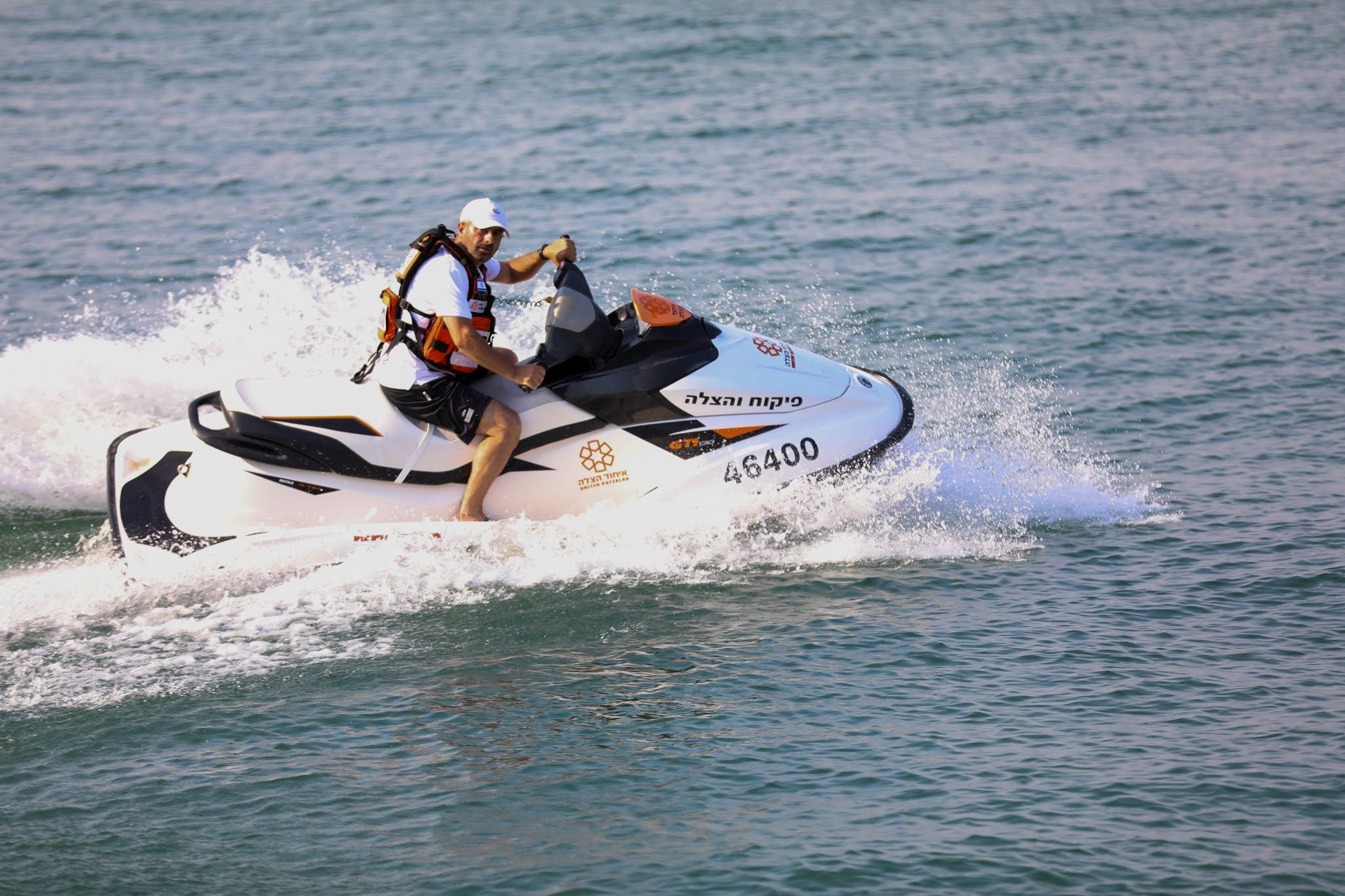
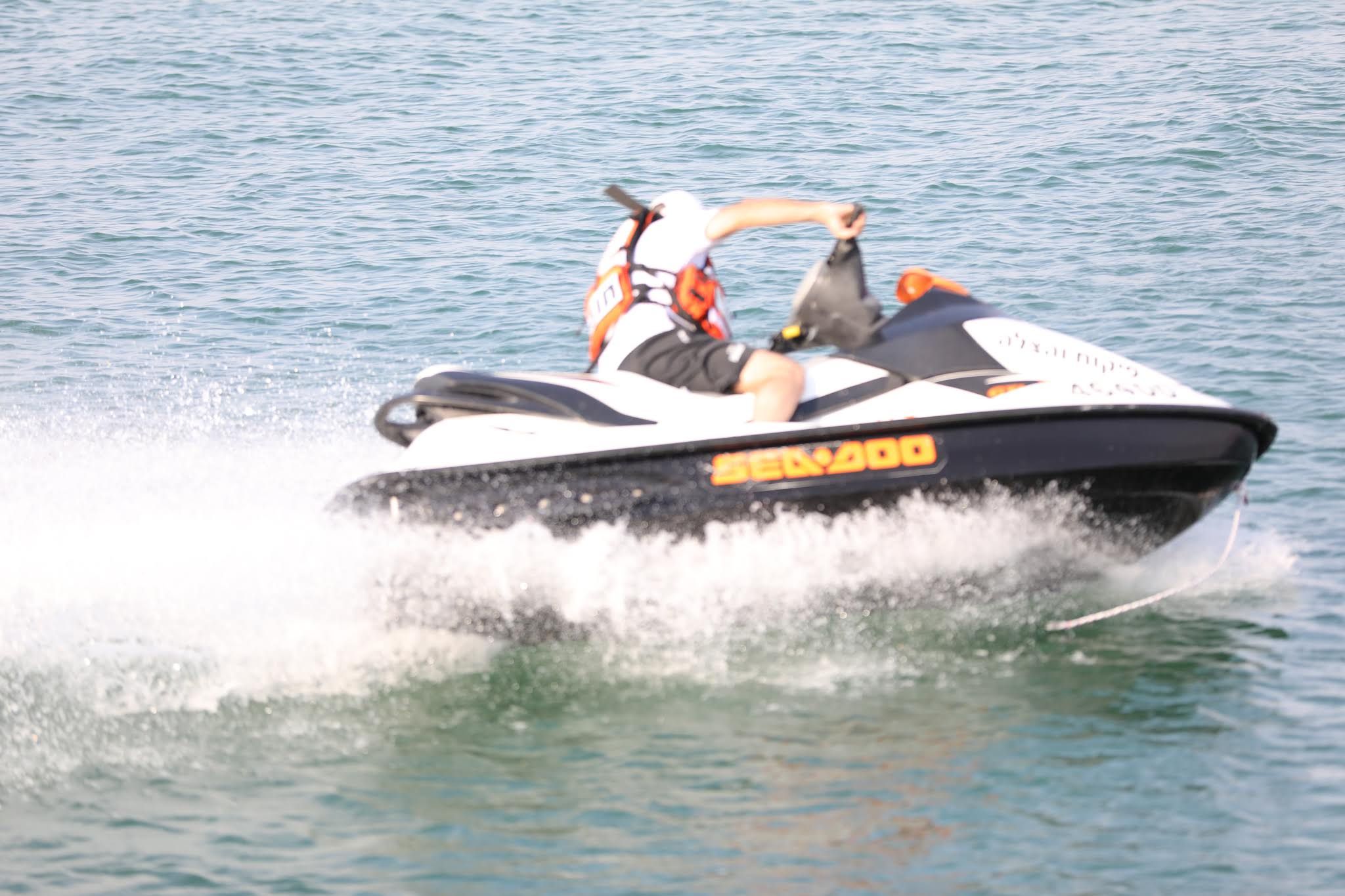
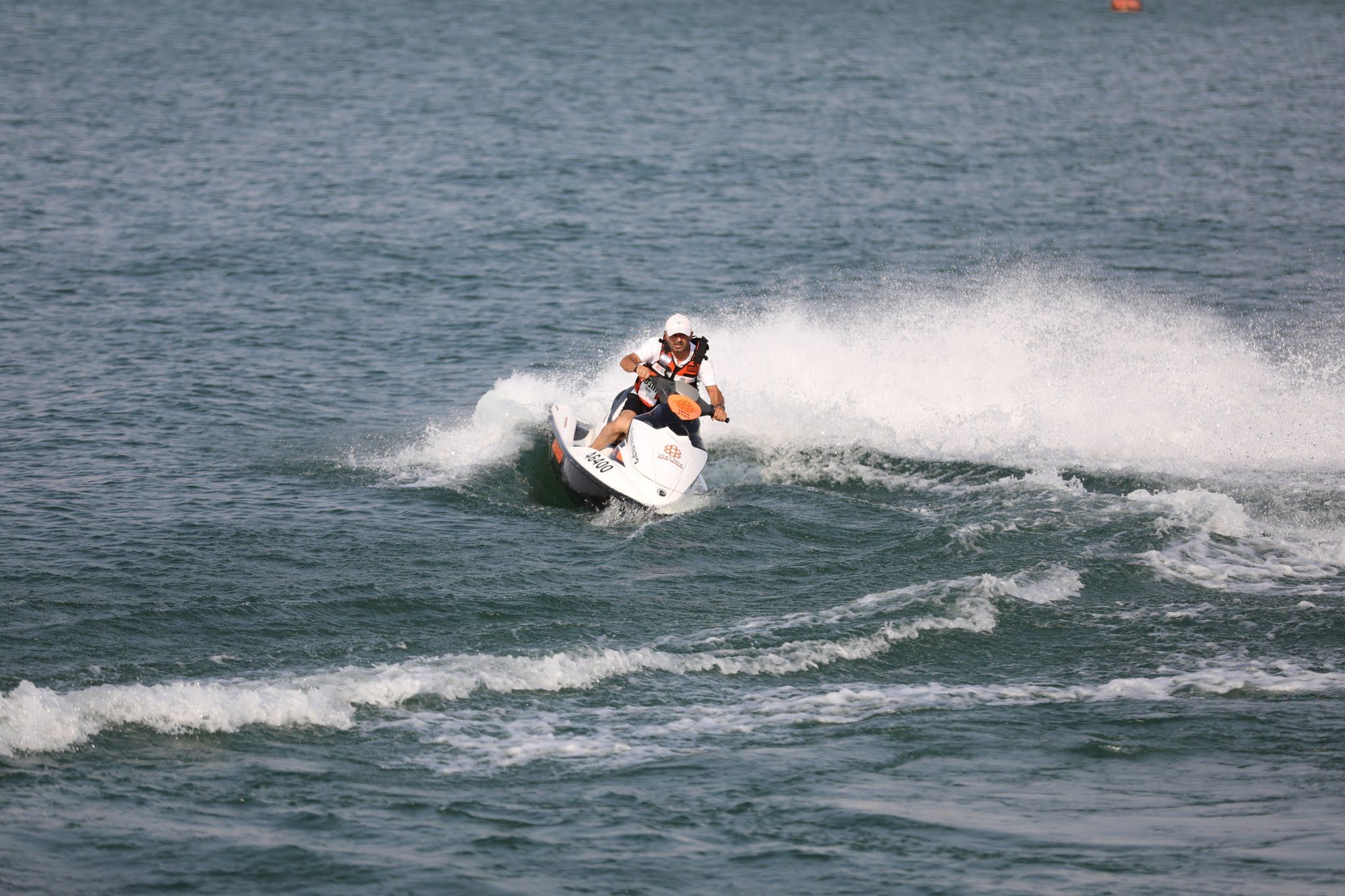
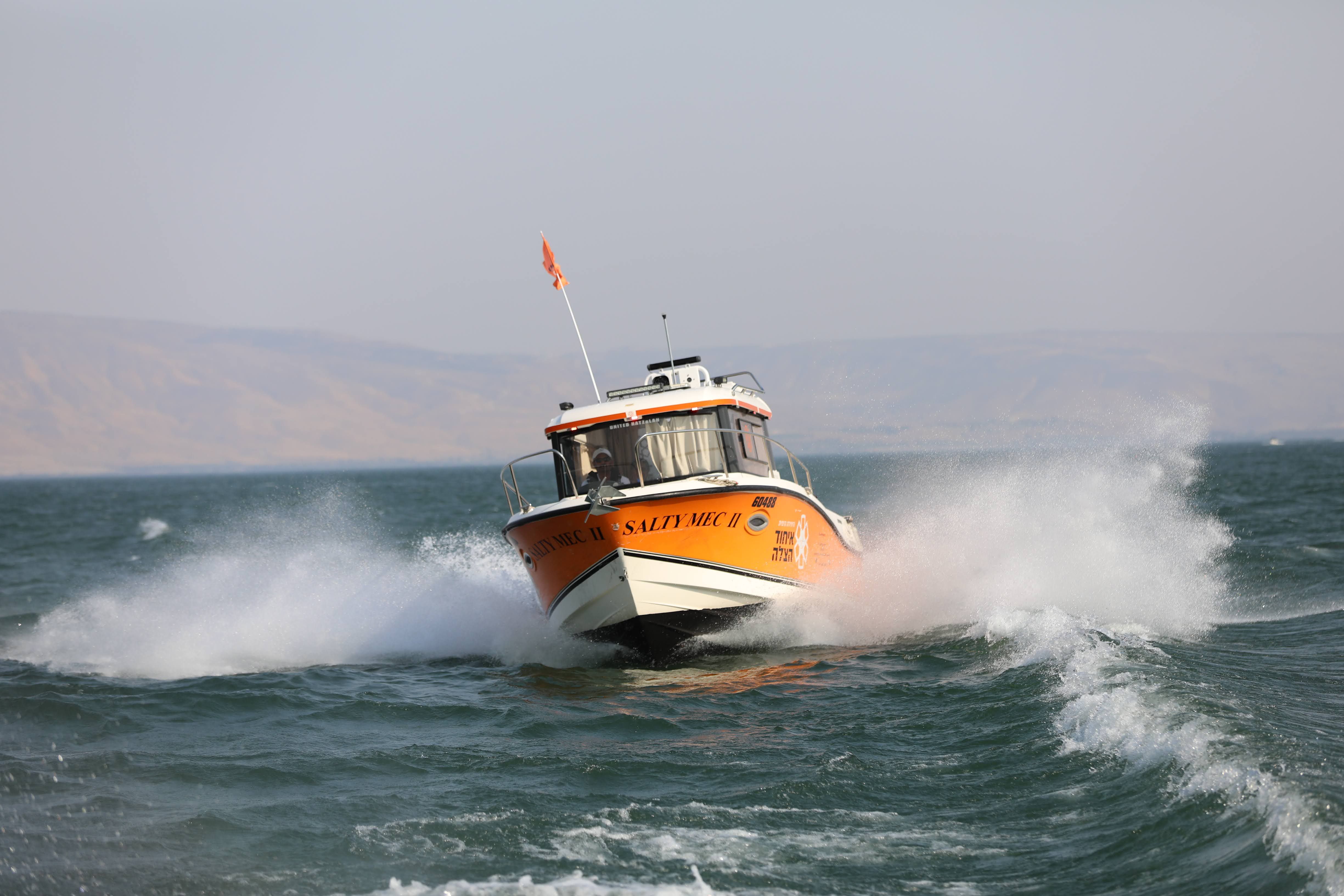
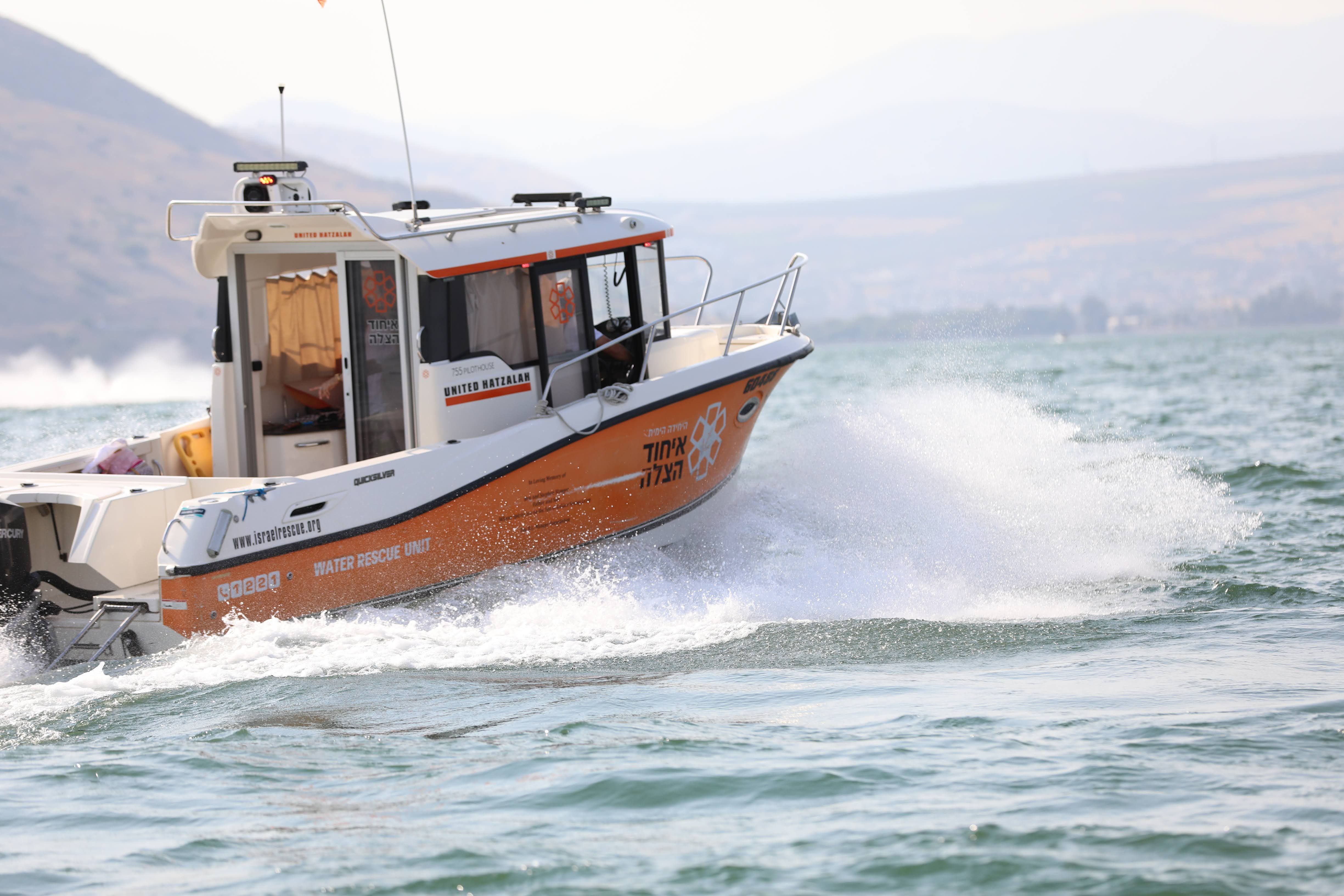
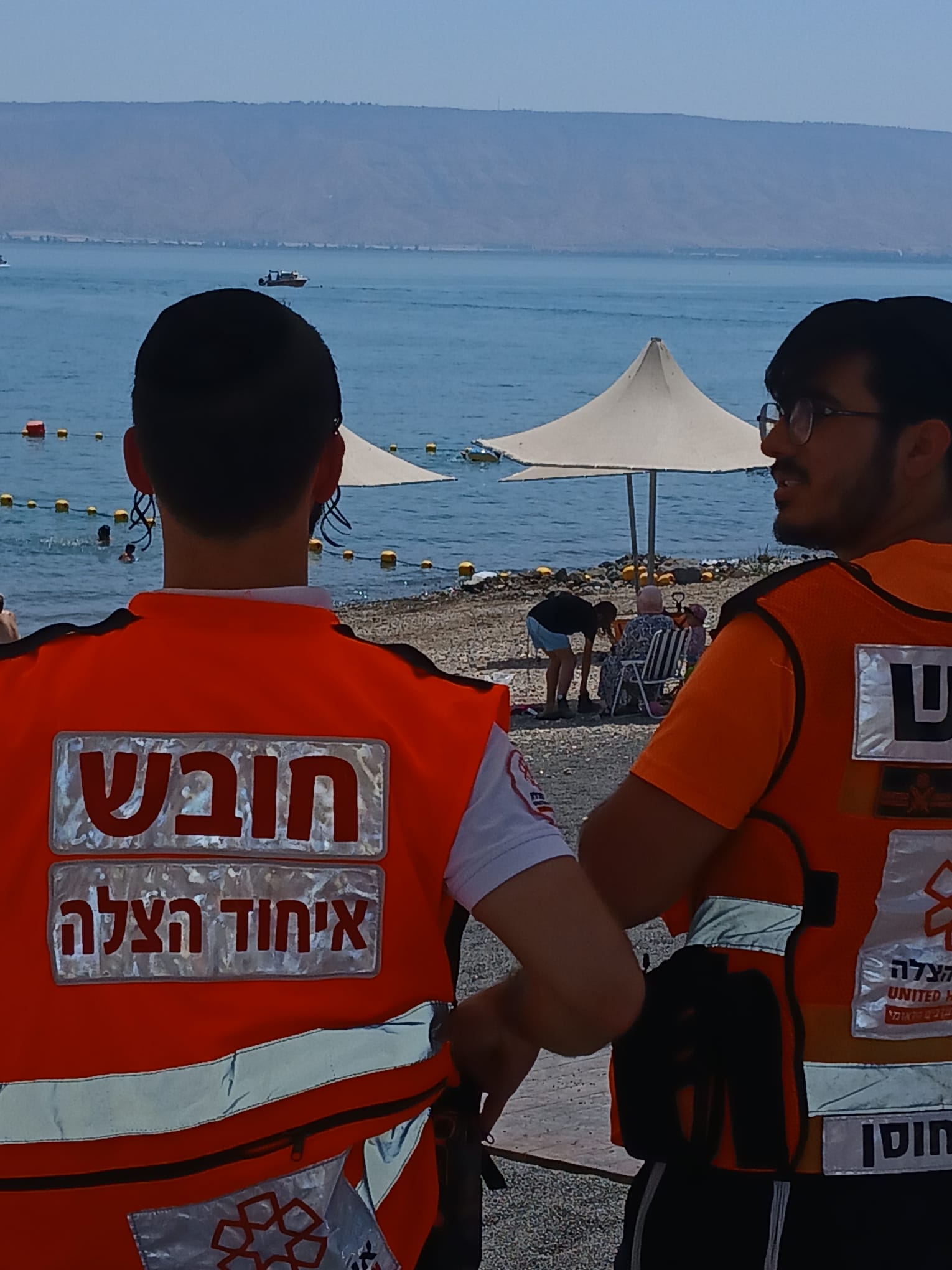
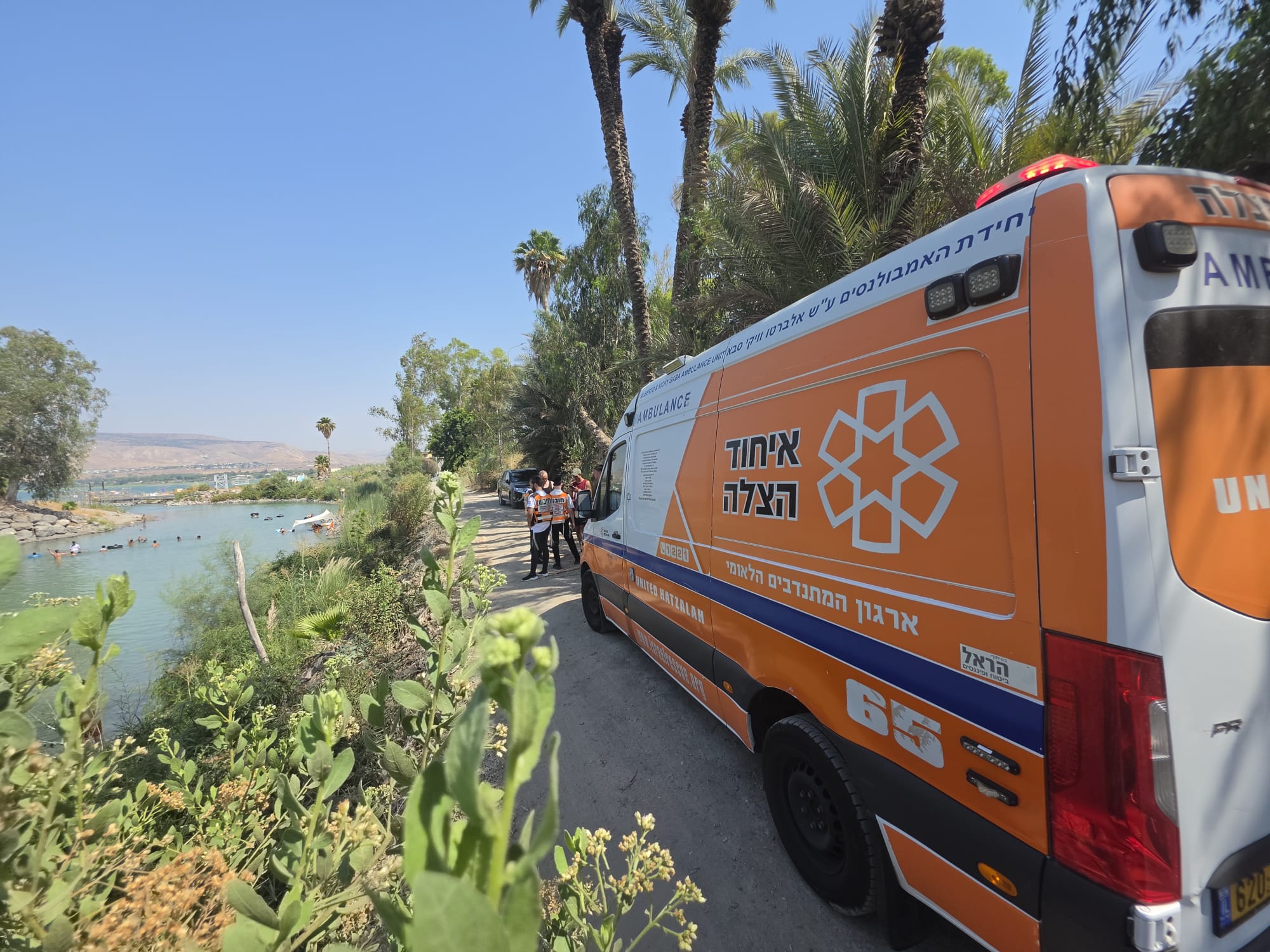
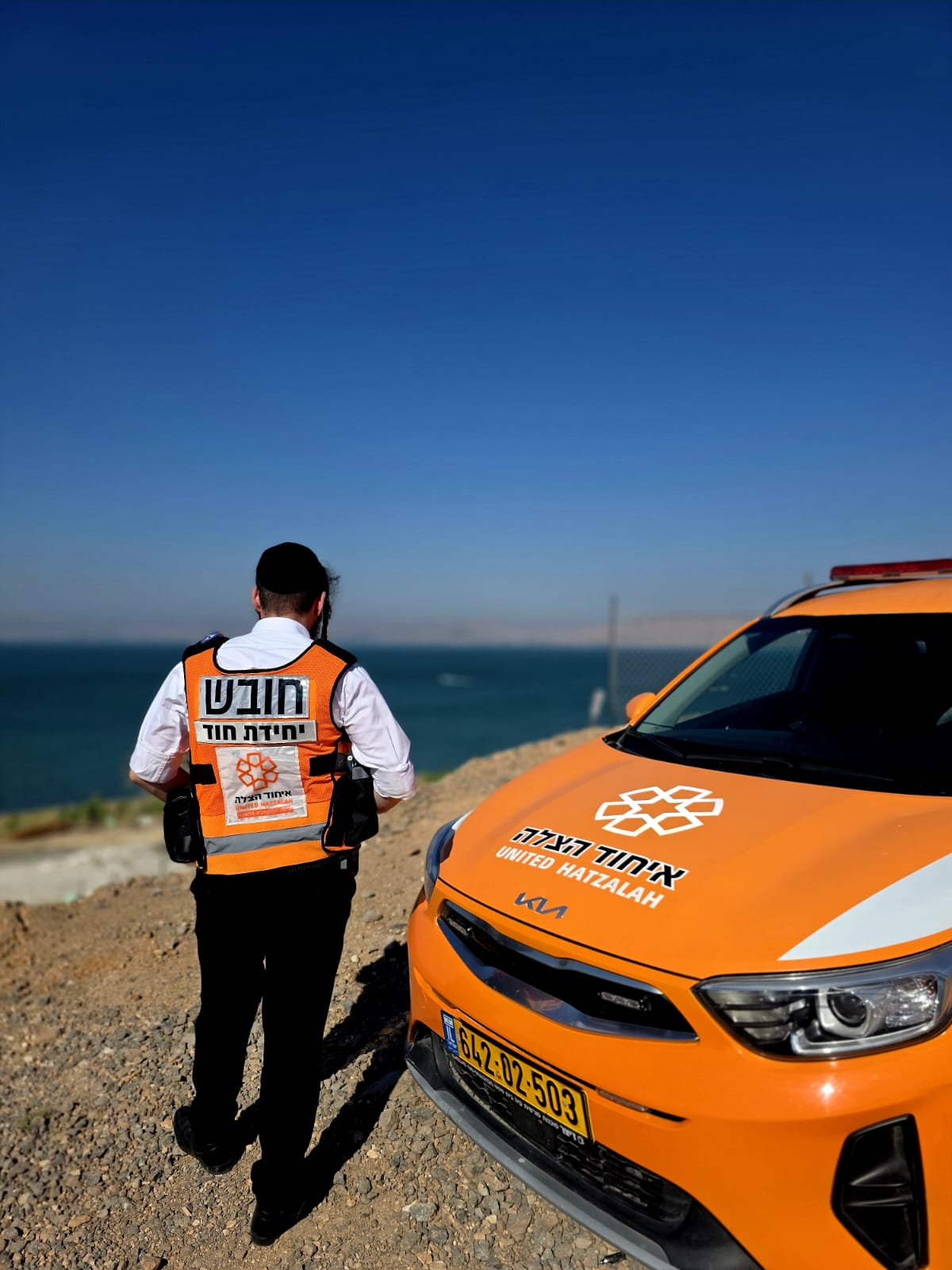
Throughout the week-long operation, the unit's medics worked around the clock and provided medical treatment for more than 480 incidents, including traffic accidents, falls, and field injuries, alongside specialized water rescues using United Hatzalah's rescue boat.
Over 135 patients were evacuated in the organization's ambulances for continued treatment at hospitals.
Organization leadership expressed appreciation for all the teams involved, particularly Tiberias branch head Yossi Oknin, who coordinated all activity in this challenging sector, as well as the various United Hatzalah branches and divisions that participated in the operation, including the volunteer division, operations division, Tiberias branch, and logistics team, which enabled the operation and ensured continuous professional medical response.
Leizer Heiman, Deputy Director and Head of the Volunteer and Operations Division at United Hatzalah, summarized: "Throughout the year, United Hatzalah volunteers are present wherever needed to provide the most dedicated and professional response in every emergency. During these bein hazmanim days, the dedicated members of Yehidat Hod took it upon themselves to come down for an entire week and reinforce, together with the Tiberias branch, the response on the shores of the Kinneret and throughout the Tiberias area, which helped many cases of lifesaving."
Essential safety rules for the Sea of Galilee include:
- Pay attention to wind timing—winds strengthen sharply from afternoon hours onward;
- if you feel wind picking up and water conditions changing, exit immediately.
- Inflatable rafts and tubes are absolutely prohibited in windy conditions, as they act like sails and can sweep users into deep water within seconds.
- Swim only at designated beaches with active lifeguards on duty.
- Anyone using boats, kayaks, paddleboards, or other watercraft must wear proper flotation devices at all ages.
- In a water emergency, float on your back, conserve energy, and call for help immediately.