Road Safety

Israel's Most Dangerous Cities for Children

Haifa, Acre and Hadera top the list of cities with highest child injury rates during summer months, according to road safety data spanning five years

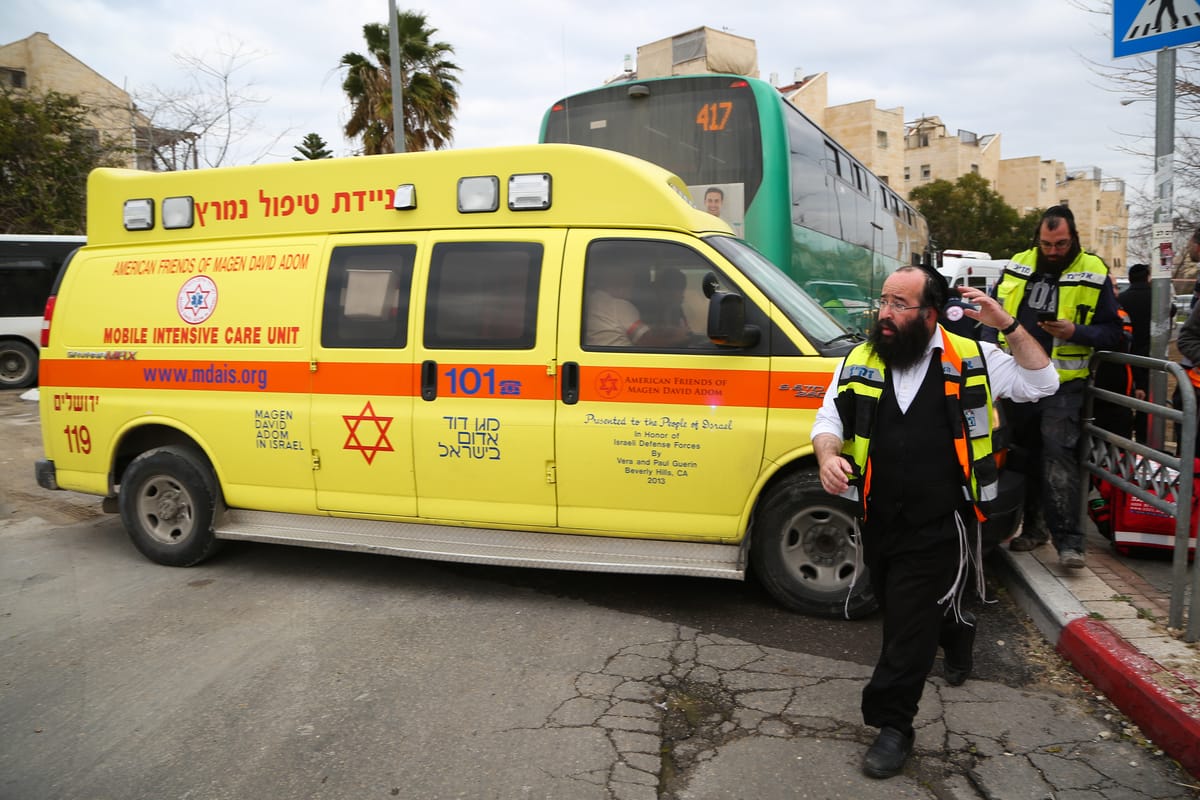
Traffic accident (Illustrative)

During the summer months of 2025, 379 children aged 14 and under were injured in traffic accidents across Israel, including eight fatalities and 60 serious injuries, according to data from Or Yarok, a road safety advocacy organization, based on statistics from Israel's Central Bureau of Statistics.

The organization conducted an analysis to identify which Israeli cities pose the greatest danger to children during the summer vacation period. The findings show that Haifa, Acre and Hadera rank as the most hazardous cities for young people during June, July and August.

Summer vacation represents a particularly vulnerable period for children on the roads. Without the protective structure of school routines, many youngsters spend extended time on streets with little supervision, or travel long distances with their families. These factors combine to elevate accident risk significantly. Statistical records confirm that the three summer months consistently show the highest rates of child and youth injuries in traffic accidents throughout the year.

Or Yarok's analysis examined child casualties (ages 0-14) in traffic accidents during the summer months over a five-year period from 2021 to 2025. To ensure fair comparison, the organization calculated injury rates per thousand children in each city with a population exceeding 50,000 residents.


Haifa holds the unfortunate distinction of first place, with an average of 0.27 children injured per thousand children annually during summer months—translating to approximately 16 child casualties each summer vacation period.

Acre ranks second with 0.25 injured children per thousand annually, averaging three child casualties each summer. Hadera comes in third at 0.209 injuries per thousand children, with an average of five children hurt each summer vacation.

Ashkelon occupies fourth place with 0.207 injuries per thousand children, averaging eight casualties per summer. Petah Tikva rounds out the top five at 0.205 per thousand, with approximately 13 children injured annually during the summer months.

Tel Aviv-Jaffa ranks 14th with 0.13 injuries per thousand children, though this still represents about 13 child casualties each summer. Jerusalem, despite recording the highest absolute number of child injuries during summer months—reflecting its large child population—ranks 19th in per-capita terms at 0.12 injuries per thousand, averaging 40 child casualties each summer.

Among predominantly ultra-Orthodox cities, the rates are notably lower: Beitar Illit ranks 23rd with 0.105 injuries per thousand children (approximately four casualties per summer). Bnei Brak stands at 32nd place with 0.07 per thousand (seven casualties per summer). Modi'in Illit ranks 41st with just 0.02 injuries per thousand children, averaging only one child injured per summer vacation period.

Attorney Yaniv Yaakov, CEO of Or Yarok, emphasized the urgency of the situation: "Summer vacation is the time of year when children face the highest risk of traffic injuries. These figures demand that the Ministry of Transportation and Road Safety work together with city mayors to develop a comprehensive plan identifying dangerous streets and intersections that endanger our children."

Yaakov called for speed reduction measures in areas with high concentrations of children, including near schools, public gardens, parks and community centers. "More than 30 children have been killed in traffic accidents since the beginning of this year," he warned. "If the Ministry of Transportation and Road Safety doesn't wake up and recognize that we're in an emergency situation, we could reach 50 child fatalities by year's end—the worst figure in 20 years."

He concluded with a fundamental principle: "Children will always behave like children. Rather than placing responsibility on them, we must ensure their environment is safe and forgiving of mistakes."

Ready for more?

Join our newsletter to receive updates on new articles and exclusive content.

We respect your privacy and will never share your information.

Enjoyed this article?

Yes (0)
No (0)
Follow Us:

Unmissable content


Loading comments...

Also of Interest