Get our mobile app
Download on the App StoreGet it on Google Play

Afghanistan Under Taliban Rule

Taliban Governor Mocks Woman Seeking Divorce

BBC documentary reveals daily reality under Taliban rule, including a former Guantanamo detainee now serving as governor dismissing an 18-year-old's plea to escape domestic violence

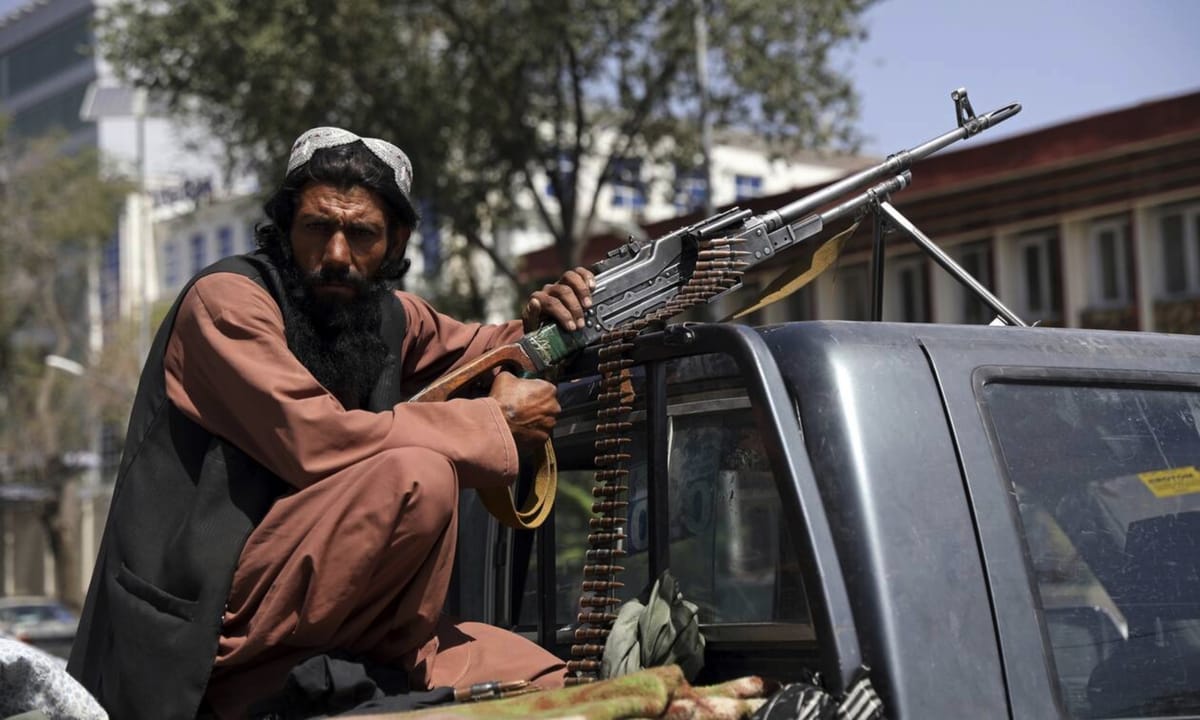
Taliban fighter

A rare glimpse inside the office of Abdullah Sarhadi, governor of Afghanistan's Jowzjan province, has exposed the harsh realities facing women under Taliban rule. An 18-year-old woman appeared before the former Taliban commander to request a divorce from her abusive husband. "If there were any possibility of living together, I wouldn't be here," she told him during an encounter filmed by the BBC.

Sarhadi, who previously served as a Taliban military commander and was detained at Guantanamo Bay, attempted to dissuade the young woman from proceeding. He warned her about damage to her social standing. "Ask yourself: 'Who will marry me after I get my divorce?' You will have to compromise a lot or you will lose your honor and dignity," the governor said, trying to convince her to abandon her request.

The young woman's response was both resolute and heartbreaking: "Mr. Governor, my honor and dignity have already been destroyed." Sarhadi later told BBC cameras that women lack intelligence, a statement reflecting the Taliban government's broader view of women.

A comprehensive BBC investigation recently published reveals how the Taliban administers the country and documents the deteriorating conditions for women under their rule. Taliban government spokesman Zabihullah Mujahid, who disclosed for the first time that his real name is Tahir Shah Sidiqi, claimed the administration is committed to rights within the framework of Sharia law.

"We are committed to women's rights, freedom of expression and other things within the framework of Sharia," the spokesman told BBC reporters. However, he soon clarified the government's actual position: "Allowing women to work in offices like mine will lead to immoral acts and their honor will be harmed." Regarding press freedom, he stated: "We cannot let the media do whatever propaganda they want."

Senior officials display an extremist worldview unchanged from their terrorist past. A high-ranking government figure, Habibullah Badr, openly discussed his former role organizing suicide bombings in the capital, Kabul. "I was responsible for the operations of suicide bombers," Badr recounted. "I know all the roads and streets very well. We had all the information we needed about Kabul and its alleys. There were areas that required extensive planning." Badr now holds official positions in the country's prison system.

Meanwhile, even Taliban officials face restrictions: the leadership has banned smartphones among government employees.

Jowzjan province governor Abdullah Sarhadi, shown typing on an old phone with a tiny screen, acknowledged that the smartphone ban has noticeably slowed work pace and decision-making. "Before, you could send a quick message... send documents and get a quick response," the governor explained, describing the difficulty of transmitting documents and approvals without advanced devices. He refrained from elaborating further, apparently fearing complications with the organization's leadership.

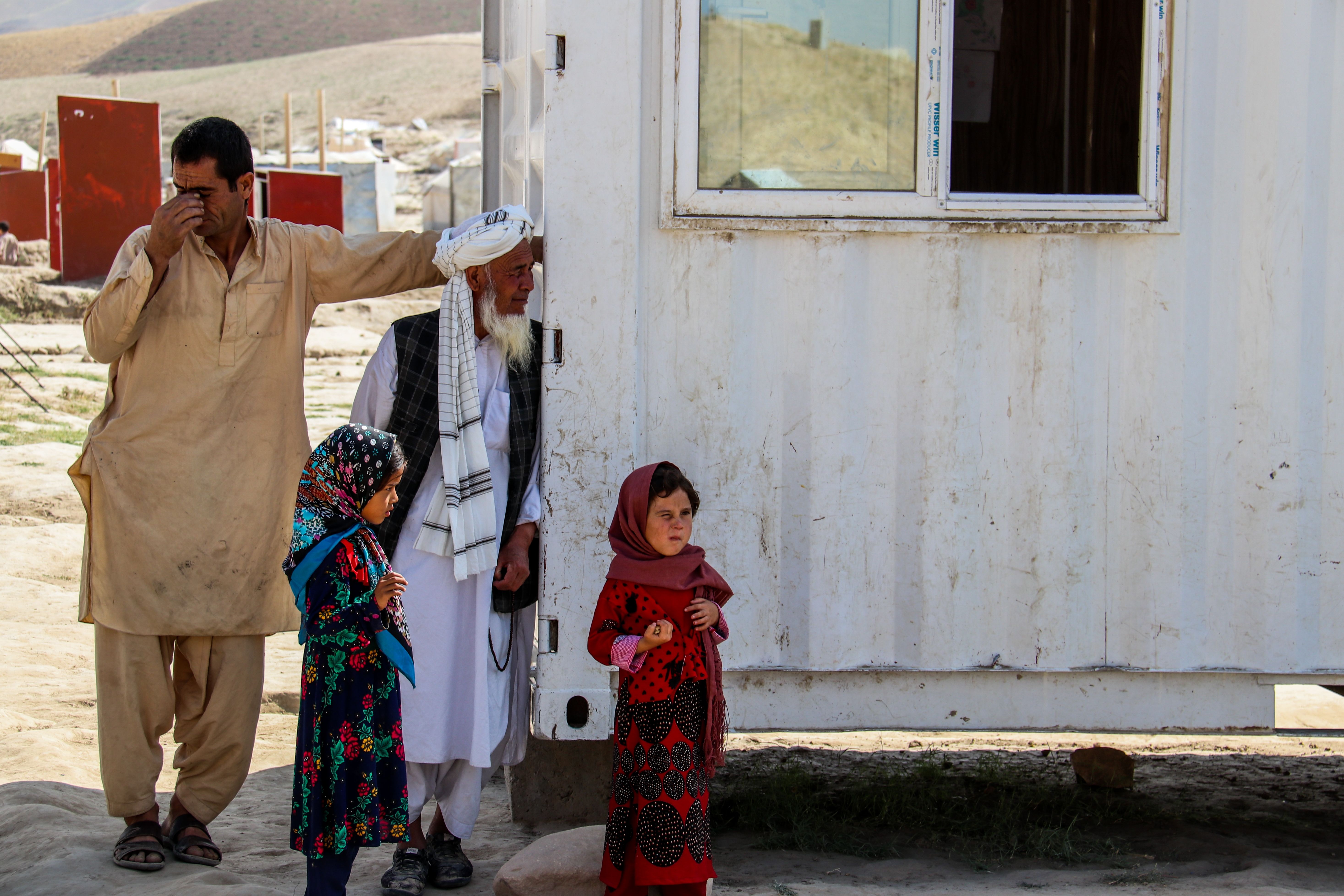
Kabul refugee camp
Kabul refugee camp (Shutterstock)

Despite severe repression, voices of protest continue to emerge. During a public event, charity foundation head Sultan Mohammad Talaei addressed a senior Taliban official, calling for girls' schools to reopen. "Mr. Badr is the pride of Afghanistan and a distinguished fighter," Talaei said, then carefully added: "But I also have a complaint. If schools and education were open to everyone, this would be great work for Afghanistan. I hope this doesn't offend you."

Resistance persists even among women excluded from public life. Hoda, a former protester, spoke to the BBC against government policies and educational restrictions. "I am speechless about how a group that has no understanding of life is suddenly in power," Hoda said. She added that "women cannot accept this situation. They may deepen restrictions but it won't stay this way forever."

The investigation joins previous reports on Afghanistan's situation, including growing tensions between Afghanistan and Pakistan and former President Trump's demand to reclaim Bagram Air Base for the United States. The harsh reality for women under Taliban rule continues to worsen, while the international community struggles to find ways to influence the extremist regime.

Ready for more?

Join our newsletter to receive updates on new articles and exclusive content.

We respect your privacy and will never share your information.

Enjoyed this article?

Yes (33)
No (1)
Follow Us:

Unmissable content


Loading comments...

Also of Interest