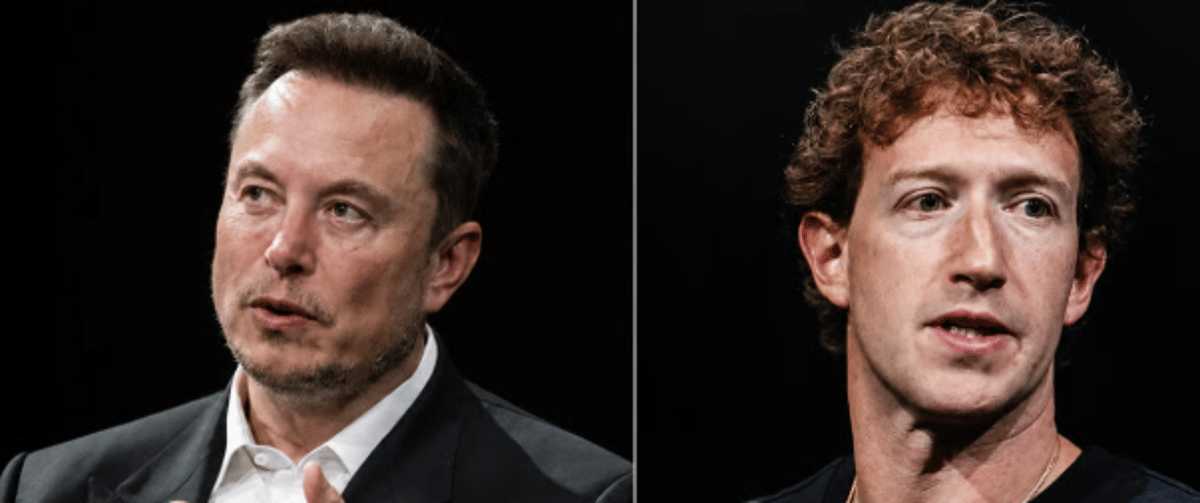
Vitalik Buterin, the co-founder of Ethereum and a leading voice in technology, has issued a pointed public call to Elon Musk and Mark Zuckerberg, asking the two tech billionaires to use their influence over major digital platforms to broker international agreements on artificial intelligence and avert an uncontrolled escalation in the global AI race.
Buterin argued that platforms such as X, formerly Twitter, and Meta’s networks should no longer serve solely as venues for debate. Instead, he said, they should function as active instruments for coordination among governments, companies and research organizations on AI regulation and responsible use.
The Ethereum founder highlighted the “unique leverage” held by Musk and Zuckerberg, derived from their control of global communications infrastructure and their direct roles in developing advanced AI technologies.
The appeal comes amid a rapid acceleration in the development of new AI systems and growing fears that the absence of international coordination could produce significant global risks. Buterin proposed a compromise between advocates of unchecked technological acceleration and those calling for stricter oversight and restraint.
At the center of his suggestion are “slowdown triggers” — predefined conditions that would automatically impose a temporary halt on AI development. Among the possible scenarios he cited: a global pandemic outbreak, a sharp surge in unemployment driven by automation, or indications of a loss of control over the technology. In the absence of such conditions, development would proceed as normal.
Such a framework, Buterin said, could produce a “win-win” outcome, maintaining a balance between innovation and caution. He also emphasized the importance of transparency, urging a move away from decisions made in “closed rooms” toward globally verifiable agreements open to public scrutiny.
The intervention is not Buterin’s first foray into the AI debate. In the past year, he has promoted the integration of blockchain technology into AI governance, backed safety research in the field, and funded academic scholarships focused on existential risks.
It is unclear whether Musk or Zuckerberg will heed the call. What is evident, however, is that Buterin has thrust the industry’s most prominent leaders into the center of an intensifying global discussion over the future of artificial intelligence.