The United States government is actively considering an unprecedented expansion of its military operations against Iran, shifting focus from aerial bombardment to potential ground warfare. American officials confirmed that President Donald Trump has spent recent days reviewing detailed defense briefings regarding high-stakes operational choices. The strategic alternatives currently being evaluated include deploying ground forces to capture critical Iranian islands near the Strait of Hormuz, widening the existing air campaign to obliterate domestic energy grids, and launch targeted strikes against a heavily fortified underground facility linked to secret nuclear development.
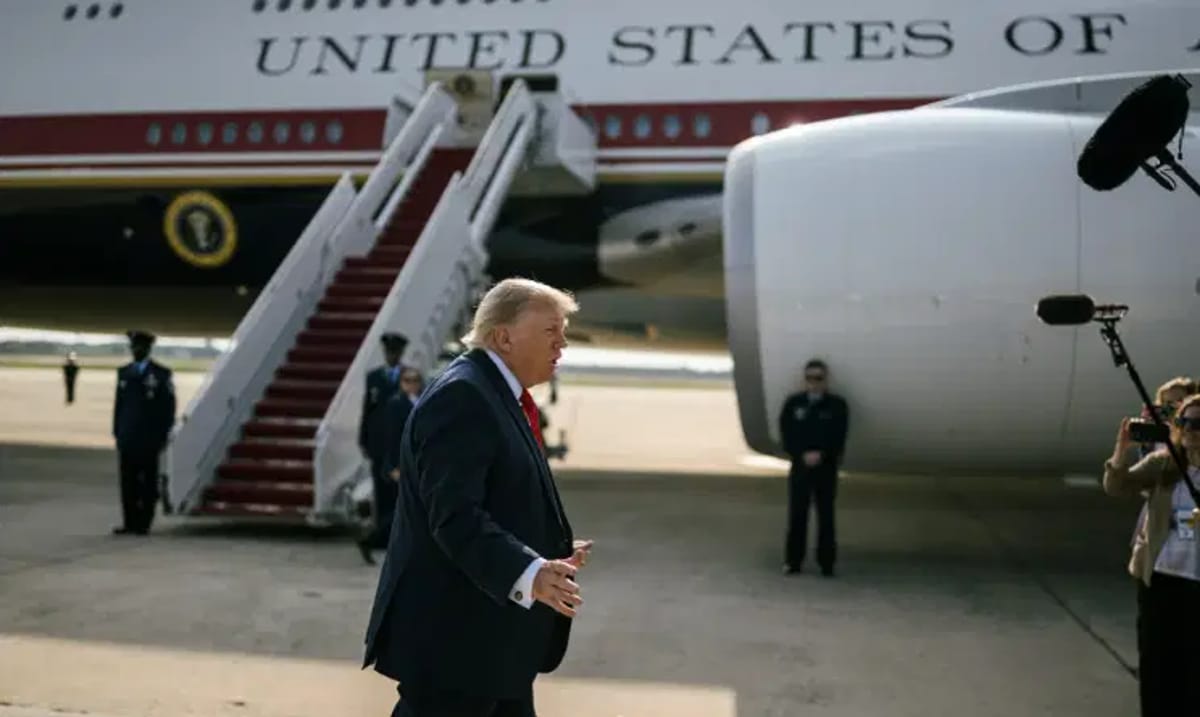
The commander in chief openly detailed the critical geopolitical situation during a prominent defense and innovation summit in Pennsylvania, making it clear that the pressure on the Islamic Republic has reached historic heights. "The country is hot like it has never been before, and we are also doing very well against Iran," Trump stated during his address, adding that the regime is deeply unhappy with the ongoing destruction. When specifically questioned if the military would completely eliminate the Revolutionary Guard Corps in the same manner as the total destruction of ISIS, the president replied, "Yes, it definitely means that. We will see what happens."
The immense military pressure appears to be forcing panic within the political leadership of Tehran, which is now desperately scrambling to initiate communication channels. The president revealed to the audience that the regime attempted to initiate direct contact just moments before he stepped onto the stage. "We received a phone call exactly when I was on my way here," Trump told the crowd. "They want to meet. They always want to meet."
The administration is maintaining a highly aggressive posture, signaling that the historical strategy for handling the Islamic Republic required a total overhaul after decades of perceived diplomatic weakness. "This should have been done by other presidents for many years, for 47 years, and to be honest even much more than that," Trump insisted. He noted that prior attempts to appease the regime failed entirely, stating, "If you do not act the way I am acting, you will never succeed in reaching an agreement with them. They were very tough. They are good negotiators. For 47 years they simply pulled everyone by the nose."
The president leveled harsh criticism against the prior administration of Barack Obama, arguing that historical financial concessions directly enabled the current military threat. "And then came Obama, and he simply gave them a fortune," Trump asserted. "He paid them 1.7 billion dollars in cash, in green bills, and hundreds of billions of dollars more. This moved everyone backward, because from that moment they started to want to produce nuclear weapons."
Despite the persistent danger, the White House maintains that the continuous air campaign has successfully dismantled the vast majority of the regime's offensive capabilities. The president detailed that previous strategic deployments of B-2 stealth bombers dealt a crushing blow to the enemy. "In my opinion they lost about 88%, maybe even close to 90% of these capabilities," Trump estimated, noting that their missile stockpiles, launchers, and drone production facilities have been severely depleted, though he cautioned that they remain highly dangerous people.
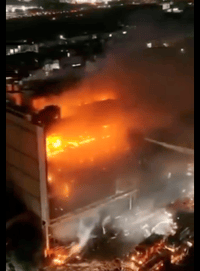
The military operations have triggered defensive alerts across the region, with the interior ministry of neighboring Bahrain activating public sirens while heavy explosions echoed across Kharg Island. Pentagon planners confirmed that current strikes are intentionally designed to erode coastal defenses and clear the path for a wider invasion if necessary. Specific ground targets under review include a direct amphibious takeover of Kharg Island, the country's primary oil export hub, and a massive assault on "Pickaxe Mountain," a deeply buried tunnel complex associated with suspected nuclear enrichment.
Amid the military movements, the White House is using the threat of total destruction to force a decisive diplomatic surrender. The president emphasized that the nightly bombardments, coupled with recent daylight strikes, are effectively forcing the enemy to seek an exit strategy. "I can tell you that they want to reach an agreement," Trump concluded. He warned that while he dislikes setting public deadlines, the leadership in Tehran understands the stakes, stating, "We will see if we reach an arrangement with them, or if we just finish it once and for all."