The Hamas terrorist organization has initiated a highly classified, covert internal voting process to elect a permanent leader for its political bureau. This secret election aims to dissolve the temporary five member leadership council that has managed the group since Israeli forces eliminated Yahya Sinwar in October 2024. Intelligence sources indicate that the voting process commenced on Saturday and is projected to conclude within the next fourteen days.
The high stakes election is unfolding under extreme operational security to protect participants from targeted strikes. Regional intelligence networks report that the terrorist group adopted total anonymity for the voting process out of immense fear of sophisticated Israeli surveillance capabilities. The wave of precision liquidations executed against senior operatives over the past two years has severely decimated their administrative command structure.
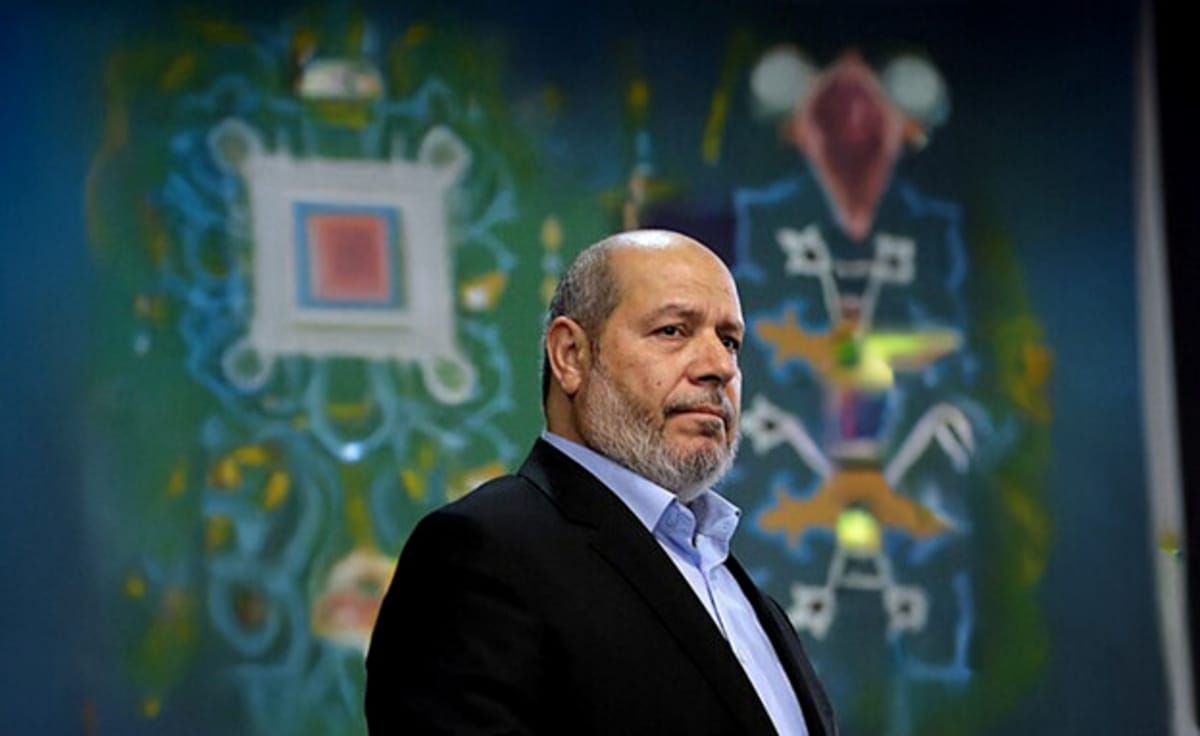
Two prominent figures have emerged as the primary contenders to assume total control over the organization. The first major candidate is Khalil al-Hayya, who operated as a key operational ally to Yahya Sinwar and maintains deep, uncompromising ties to the Iranian regime. The second faction rallies behind former political bureau chief Khaled Mashaal, who maintains closer relations with Qatar and Turkey while pushing for a strategy more autonomous from Tehran.
The initial distribution of ballots reveals deep internal splits between the localized combat commands and external political wings. Shura Council members stationed within the Gaza strip overwhelmingly cast their support in favor of al-Hayya to preserve the Iranian supply lines. However, the ultimate determination will hinge on incoming ballots from operatives residing abroad, regional networks, and several high security prisoners.
Imprisoned Hamas terrorists currently serving sentences inside Israeli penitentiaries are actively participating in the political transition. Security agencies discovered that these incarcerated operatives are successfully utilizing highly covert communication channels to transmit their votes to the central election committee. The inclusion of the prison network highlights the interconnected nature of the terrorist command structure despite intense incarceration measures.
The individual who secures the majority vote will inherit total responsibility for charting the future trajectory of the terrorist network. The new chief will hold unilateral authority to determine the physical location of the group's international headquarters and dictate governance policies inside Gaza. Most critically, the incoming leader will finalize the organization's alignment with Iran and the broader regional network of proxy forces.