Iran continues to set stringent conditions for reopening the waterway.
Senior officials in Tehran indicated this week that while negotiations with Moscow regarding management of the Strait of Hormuz are progressing, they are imposing additional demands before fully reopening the passage.
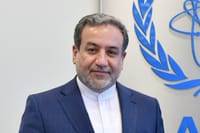
Iranian Foreign Minister Abbas Araghchi stated that opening the strait depends on receiving compensation from the United States for war damages and breach of understandings.
Additionally, National Security Council Secretary Mohammad Baqer Zolqadr outlined further requirements including the release of frozen Iranian assets, cessation of military operations against Iran and its regional proxies, and lifting of the naval blockade.
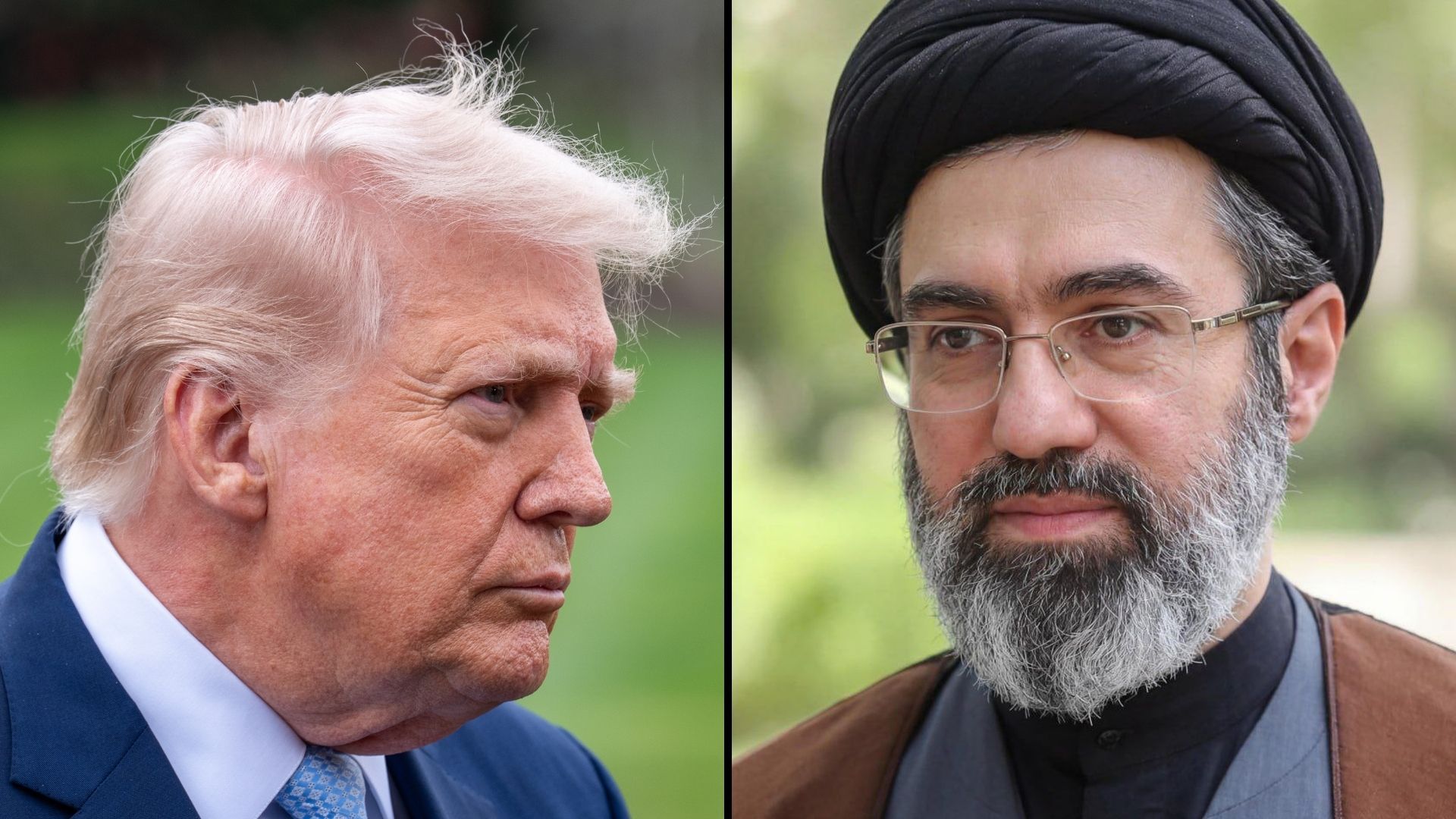
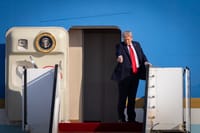
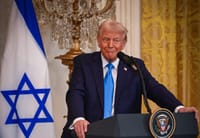
A senior Revolutionary Guard adviser declared this week that Iran could "extend" the conflict until Trump leaves office. "We must achieve deterrence so that the enemy will never dare attack us, so we can live in security", he said.
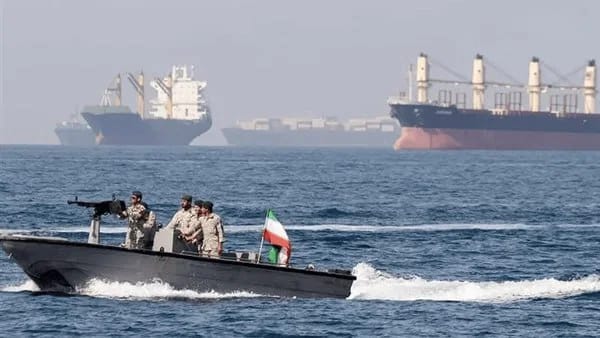
Despite the ongoing American naval blockade preventing ships from reaching Iranian ports, analysts offer a clear assessment: Iran holds a significant psychological and political advantage. "Iran, which is right on the strait, has the advantage of proximity. It also has the psychological and political upper hand", Schuster explained.
The strait's closure has caused economic devastation in numerous countries worldwide, and international pressure on the United States to reopen the passage is mounting.
This pressure could impact the upcoming November midterm elections in the U.S., A development that might favor Iran if a new Congress forces Trump to end the conflict on terms favorable to Tehran.
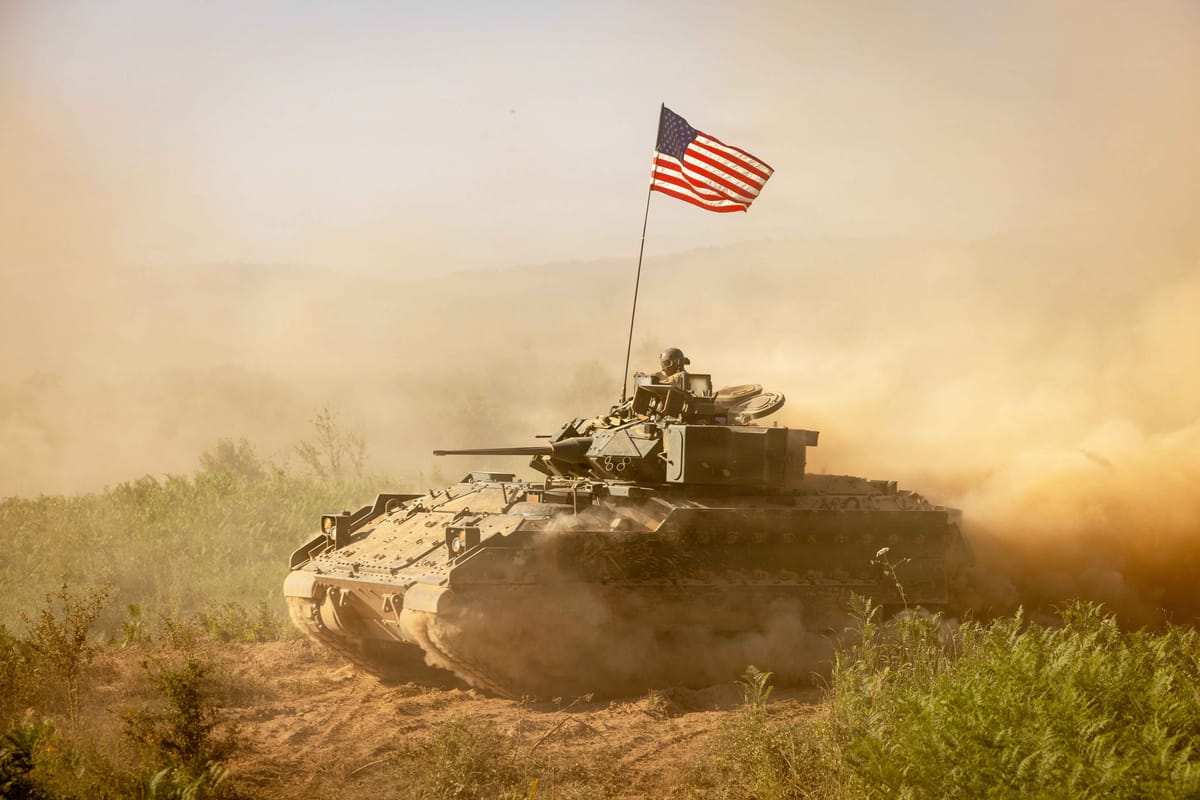
Meanwhile, U.S. Central Command reported that American forces have recently diverted 53 commercial vessels, disabled two ships, and boarded two others. Simultaneously, more than 30 ships carrying humanitarian aid were permitted passage.