Get our mobile app
Download on the App StoreGet it on Google Play

U.S.-Iran Tensions Escalate

Trump: Gas to Hit $2 After Iran Victory

U.S. president pledges sharp oil price decline as naval blockade intensifies and administration vows Iran will never obtain nuclear weapons

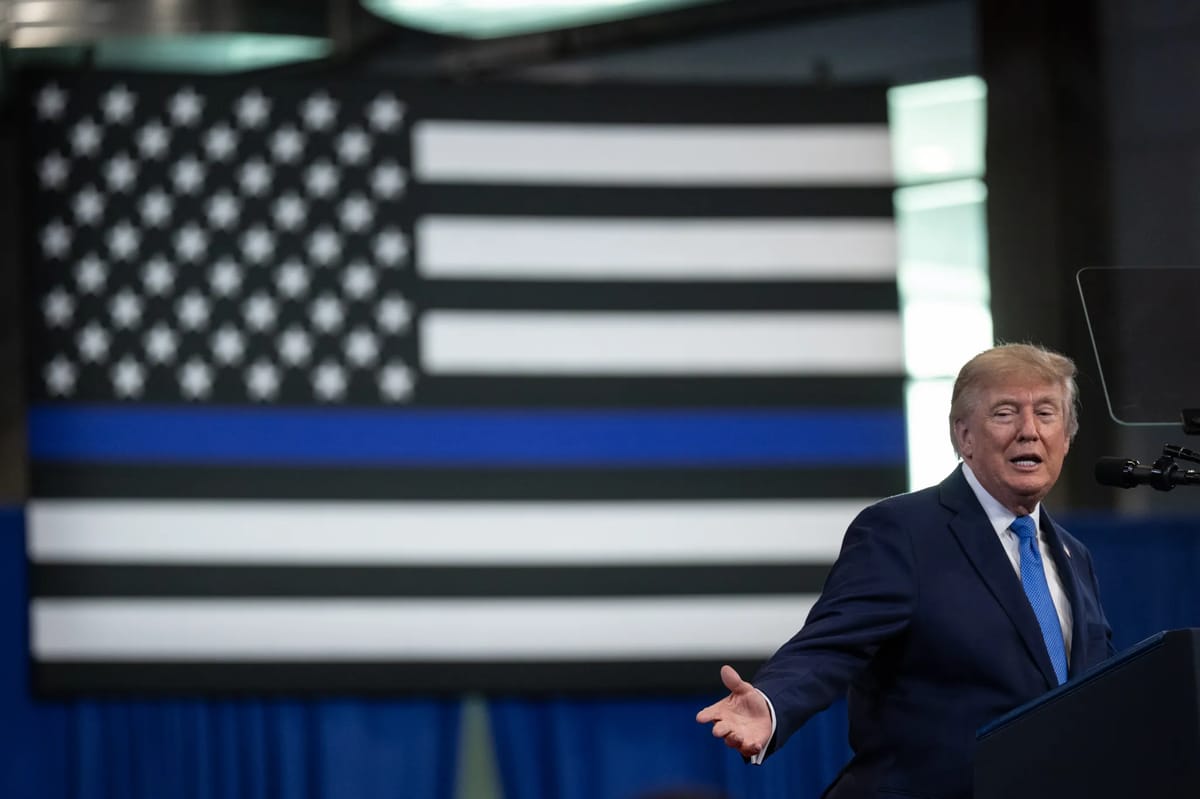
President Trump

U.S. President Donald Trump declared late Monday that oil prices "will plummet sharply" once America prevails in its confrontation with Iran.

Writing on his social media platform, Trump predicted fuel costs would reach "three dollars per gallon, and ultimately at least under two dollars per gallon." The president added that "everything will happen quickly, and Iran will never have nuclear weapons." His statement comes amid ongoing tensions between Washington and Tehran, with the Trump administration maintaining economic and military pressure on the Islamic Republic's leadership.


Alongside the president's pledge, U.S. Central Command reported that its forces redirected two vessels in the past 24 hours as part of the naval blockade against Iran. The blockade, reinstated on July 14 following the collapse of temporary understandings, prevents ships from entering or leaving Iranian ports.

According to earlier reports, Central Command has turned away approximately 70 commercial vessels attempting to breach the blockade since its renewal. The American operation aims to tighten economic pressure on Tehran and disrupt Iran's maritime trade in the Persian Gulf and Gulf of Oman.

Meanwhile, U.S. Energy Secretary Chris Wright recently suggested that America might prevent Iran from developing nuclear weapons without reaching an agreement with Tehran. "There may not be a nuclear deal. It may simply be about destroying their capabilities to do so," Wright told ABC News in an interview.

Iran is currently facing unprecedented economic strangulation. The combination of heavy American sanctions and a naval blockade on its ports threatens to completely paralyze domestic industry. Several senior Iranian officials, including President Masoud Pezeshkian, have recently issued public warnings about the crisis's consequences.

Iranian Parliament Speaker Mohammad Bagher Ghalibaf acknowledged that "Iran's main battle now is around production and citizens' livelihoods." Simultaneously, three senior Iranian officials revealed that Tehran is finding it increasingly difficult to evade sanctions and export oil in the face of the American campaign.

Mohsen Rezaei, secretary of Iran's Supreme National Security Council, announced that Iran will declare a new restricted shipping zone in the Persian Gulf in the coming days. "The zone will start from the U.S. naval blockade line and include areas in the Persian Gulf. Any ship entering this new zone will be added to the sanctions list," Rezaei stated.

Rezaei added that "maps of the new international corridor located in the territorial waters of Iran and Oman, under Iranian management, have been agreed upon and can be signed in the coming days." He conditioned the arrangement of shipping in the area, emphasizing that "we will commit to opening the Strait of Hormuz only when the Americans stop sabotage, threats, and attacks on Iran."

The Iranian parliament speaker issued a warning to Washington, saying that "from today forward, any attack against Iran's interests and security will receive a faster, heavier, and more painful response." Tensions between the two nations continue to escalate, with each side attempting to exert maximum pressure on the other.

Ready for more?

Join our newsletter to receive updates on new articles and exclusive content.

We respect your privacy and will never share your information.

Enjoyed this article?

Yes (17)
No (1)
Follow Us:

Unmissable content


Loading comments...

Also of Interest