U.S.-Iran Tensions

Trump Eyes Hormuz as U.S. Territory

The president's Friday statement raises unprecedented constitutional and international law questions as talks with Iran remain stalled

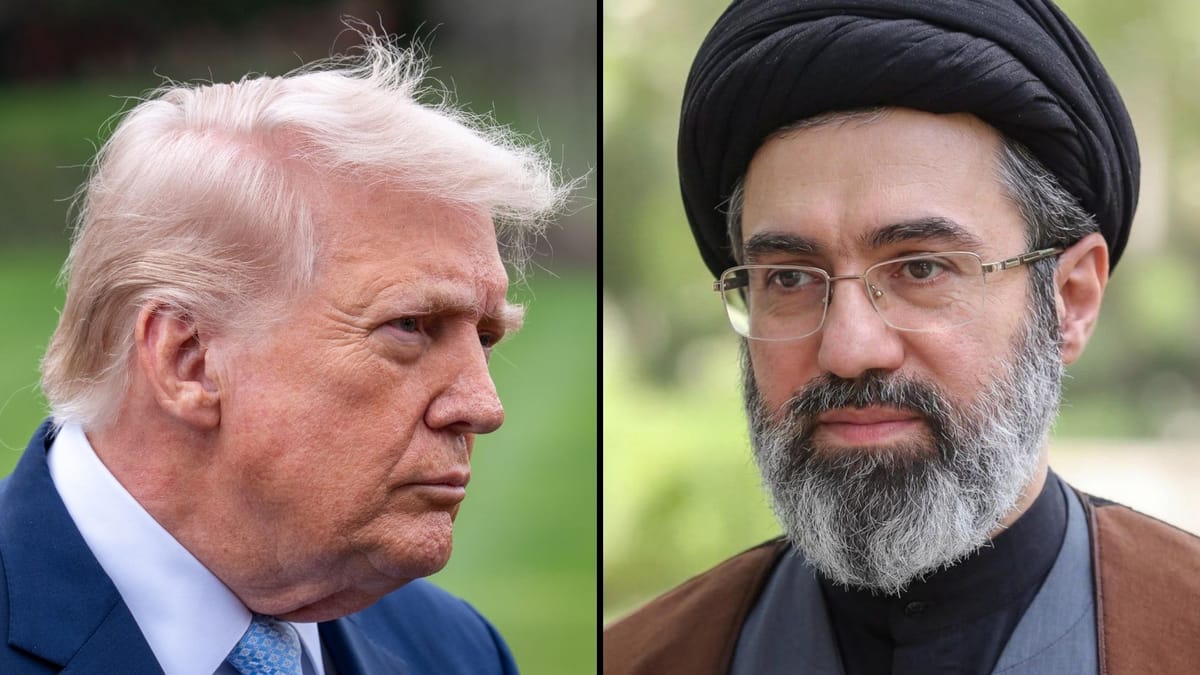
Donald Trump; Mojtaba Khamenei

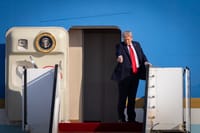
President Donald Trump threatened Friday to declare the Strait of Hormuz—a critical waterway for global oil shipments—as United States territory, even as his administration struggles to end the ongoing conflict with Iran.

Speaking at a police academy in Long Island, New York, Trump said he would soon designate the shipping lane as American territory. The strait is a vital passage through which roughly one-fifth of the world's seaborne oil supply travels.

The statement came as peace negotiations with Iran have reached an impasse following failed talks. Tehran has refused to reopen the strait, which has remained nearly completely closed since the United States and Israel launched military operations against Iran in February.

Nearly six months into the conflict, there are few signs that diplomatic contacts will soon yield peace. Iranian officials continue to defy Trump's demands, while the United States has imposed a blockade on Iranian shipping and ports in recent months, aiming to apply economic pressure on Tehran.

"After we finish defeating Iran, which is being defeated badly, pretty soon I will declare the Strait of Hormuz as territory of the United States," Trump said Friday. "Essentially, that's what it is. We have the blockade. No ship passes unless we want it to."

The seriousness of Trump's remark and whether it signaled a new policy position for his administration were not immediately clear.

Ready for more?

Responding on X, Kazem Gharibabadi, Iran's deputy foreign minister, said Tehran would not be intimidated by American threats or shows of force. He added that the Strait of Hormuz would open or close solely under Iranian authority.

In an interview published Saturday, Iranian Foreign Minister Abbas Araghchi told Reuters that Iran has not decided to resume talks with the United States, and that messages conveyed through Qatar and Pakistan do not constitute negotiations.

Araghchi told the Iranian outlet Shahara News that separate discussions with Oman have focused on defining a maritime route through the Strait of Hormuz, while the United States would need to meet conditions before shipping through the waterway could resume.

Earlier this week, Trump claimed on Truth Social that the United States has complete control over the strait and said "I think we'll keep it," despite the fact that the strait is an international waterway bordered by Iran and Oman.

Whether President Trump actually intends to follow through on his statement remains unclear, but if he were to declare the Strait of Hormuz as American territory, it would be a move with dramatic implications.

Hormuz
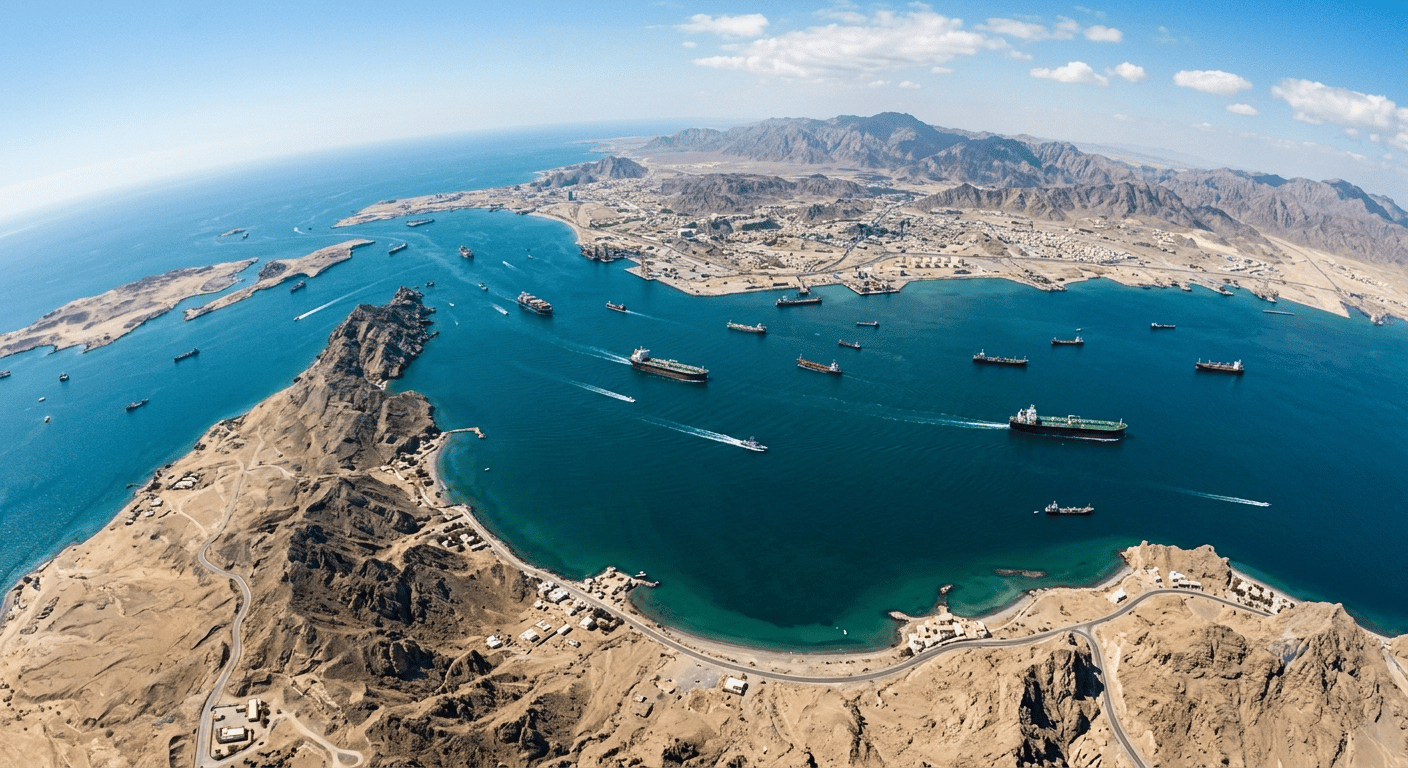
Hormuz (Photo: AI )

A unilateral declaration by the U.S. president claiming the Strait of Hormuz as "American territory" would pose enormous, unprecedented challenges under U.S. constitutional and federal law. First, the U.S. Constitution grants Congress—not the president—exclusive authority to annex new territories, admit states, or regulate the nation's property and territories under Article IV. The president lacks the power to declare territorial sovereignty unilaterally, and without explicit congressional legislation, such a declaration would have no domestic legal validity in the United States.

Second, such a move would directly conflict with federal law that has adopted international treaties recognized by the administration, primarily the Law of the Sea and Territorial Waters conventions. Under American law based on customary maritime law, the United States recognizes territorial waters extending only 12 nautical miles from a sovereign nation's coastline. Because the Strait of Hormuz lies entirely within the territorial waters of Iran and Oman, declaring an overseas area as American territory would completely contradict the legal definitions of national boundaries and the maritime authority of the U.S. Navy.

Additionally, such a step would almost certainly trigger immediate petitions to federal courts and the Supreme Court from members of Congress and shipping companies. The courts would need to determine whether the president's action has any legal basis, or whether it constitutes a serious overreach of executive authority and a violation of the War Powers Resolution, since the seizure and annexation of international maritime areas without congressional approval would constitute an unauthorized act of war under domestic law.

Finally, from the perspective of U.S. constitutional law, designating an area as U.S. territory requires applying constitutional rights, federal court jurisdiction, and the nation's customs and tax laws. Implementing these mechanisms in an international shipping lane located thousands of miles from U.S. borders would create an unsolvable legal tangle, as American law enforcement and judicial authorities could not exercise effective or legitimate legal authority over foreign vessels passing through the area.

Ready for more?

Join our newsletter to receive updates on new articles and exclusive content.

We respect your privacy and will never share your information.

Enjoyed this article?

Yes (2)
No (0)
Follow Us:
1

Unmissable content


Loading comments...

Also of Interest