Southern Lebanon

IDF Traps Iranian Officers in Lebanon Tunnels

Israeli forces have surrounded dozens of Hezbollah fighters and Iranian Revolutionary Guard commanders in an underground network beneath the Ali al-Taher ridge in southern Lebanon.

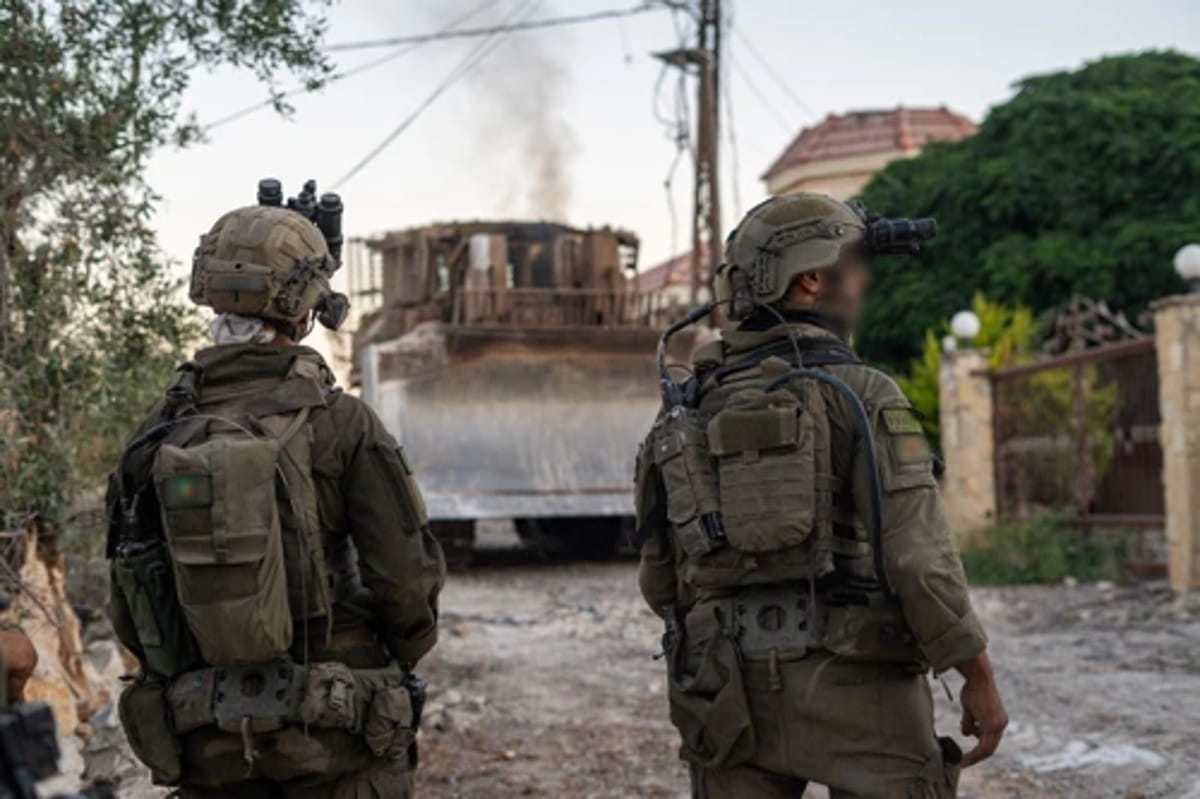
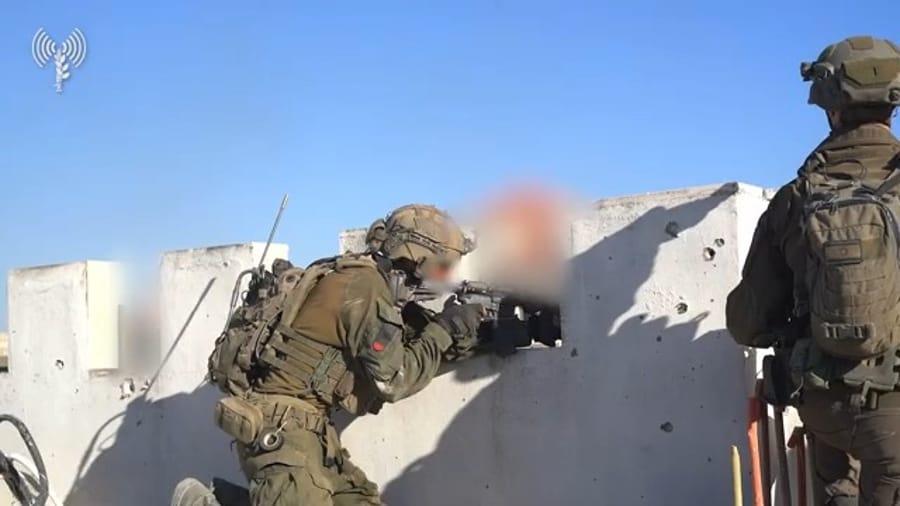
IDF soldiers operate in South Lebanon
IDF soldiers operate in South Lebanon (Video: IDF Spokesperson)

One of the most tense military standoffs of the current war is unfolding beneath the Ali al-Taher ridge in southern Lebanon, where Israeli forces have trapped dozens of militants and Iranian commanders in an extensive underground tunnel network with no apparent exit.

According to reports from Ynet and Lebanese media outlets, between 30 and 40 operatives are currently besieged in the subterranean complex, including senior officers from Iran's Islamic Revolutionary Guard Corps (IRGC) who were responsible for operational and logistical coordination. The presence of these high-ranking Iranian officials transforms the siege into a significant bargaining chip for Israel, while simultaneously creating a potential flashpoint that could escalate regional tensions.

A Two-Decade Underground Construction Project

The Ali al-Taher ridge, rising approximately 700 meters above sea level and overlooking the town of Nabatieh, conceals beneath it a massive underground city built over two decades with direct Iranian assistance. This complex served as the nerve center for Hezbollah's Badr Unit and represents one of the most significant subterranean installations uncovered during the war.

Israeli forces control the surface terrain above the ridge and have established a tight perimeter around it. According to reports, IDF troops have severed water pipes leading to the facility and are preventing any escape attempts using drones and advanced surveillance equipment. The tight siege has created an untenable situation for those trapped underground.

Hezbollah continues to deny the scale of the crisis and has rejected any proposals for mediation or dismantling of the complex. The organization has avoided acknowledging the trap in which its operatives and Revolutionary Guard commanders find themselves, preferring to maintain operational ambiguity.

Meanwhile, Israel's political leadership is exercising careful restraint while managing the incident under heavy pressure coming directly from Tehran. Iran is attempting by all means to extract its personnel, but Israel holds a significant bargaining chip that could influence the course of the war in the northern theater.

The tense situation at the Ali al-Taher ridge continues to develop, with each side carefully weighing its next moves. The presence of Iranian commanders in the underground trap means that the siege is not just a military operation- it's an event with far-reaching diplomatic and strategic implications.

Ready for more?

Join our newsletter to receive updates on new articles and exclusive content.

We respect your privacy and will never share your information.

Enjoyed this article?

Yes (42)
No (2)
Follow Us:

Unmissable content


Loading comments...

Also of Interest