Get our mobile app
Download on the App StoreGet it on Google Play

Middle East Tensions

UAE Freezes All Iran Financial Ties

Abu Dhabi announces sweeping suspension of trade and financial dealings with Tehran after ballistic missiles were fired toward the Emirates, marking a dramatic shift in regional relations

UAE
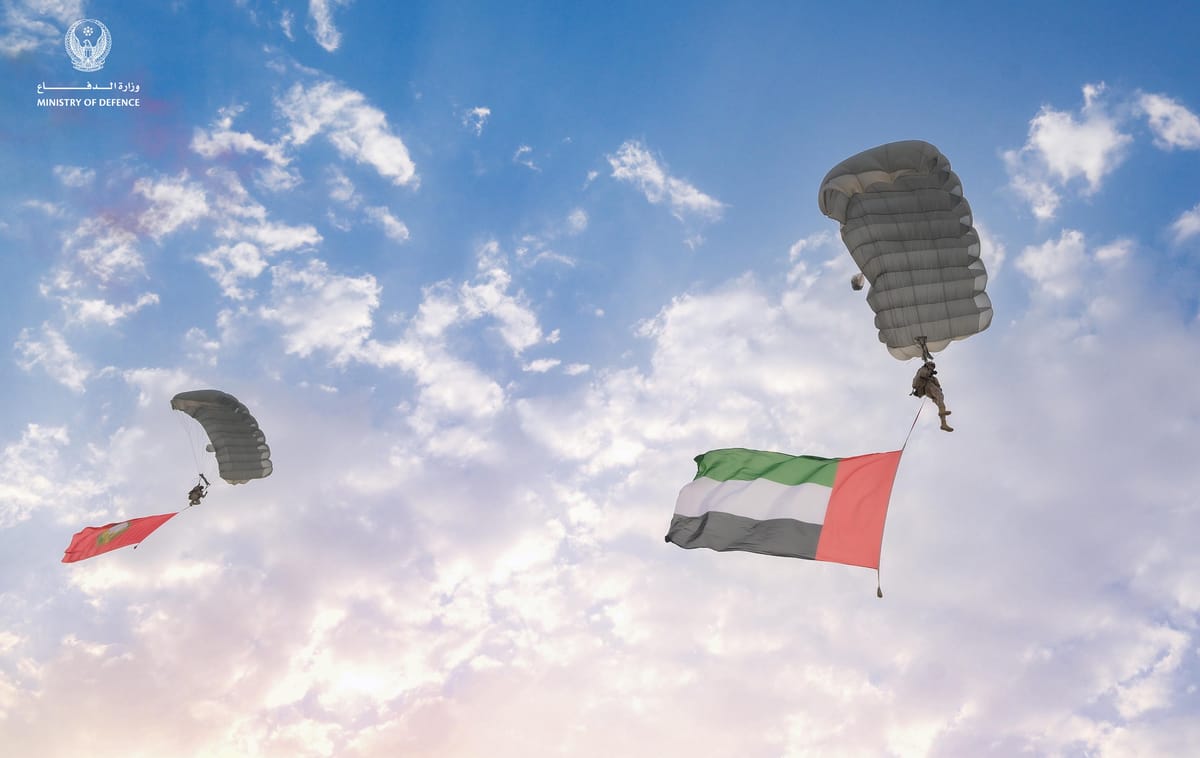
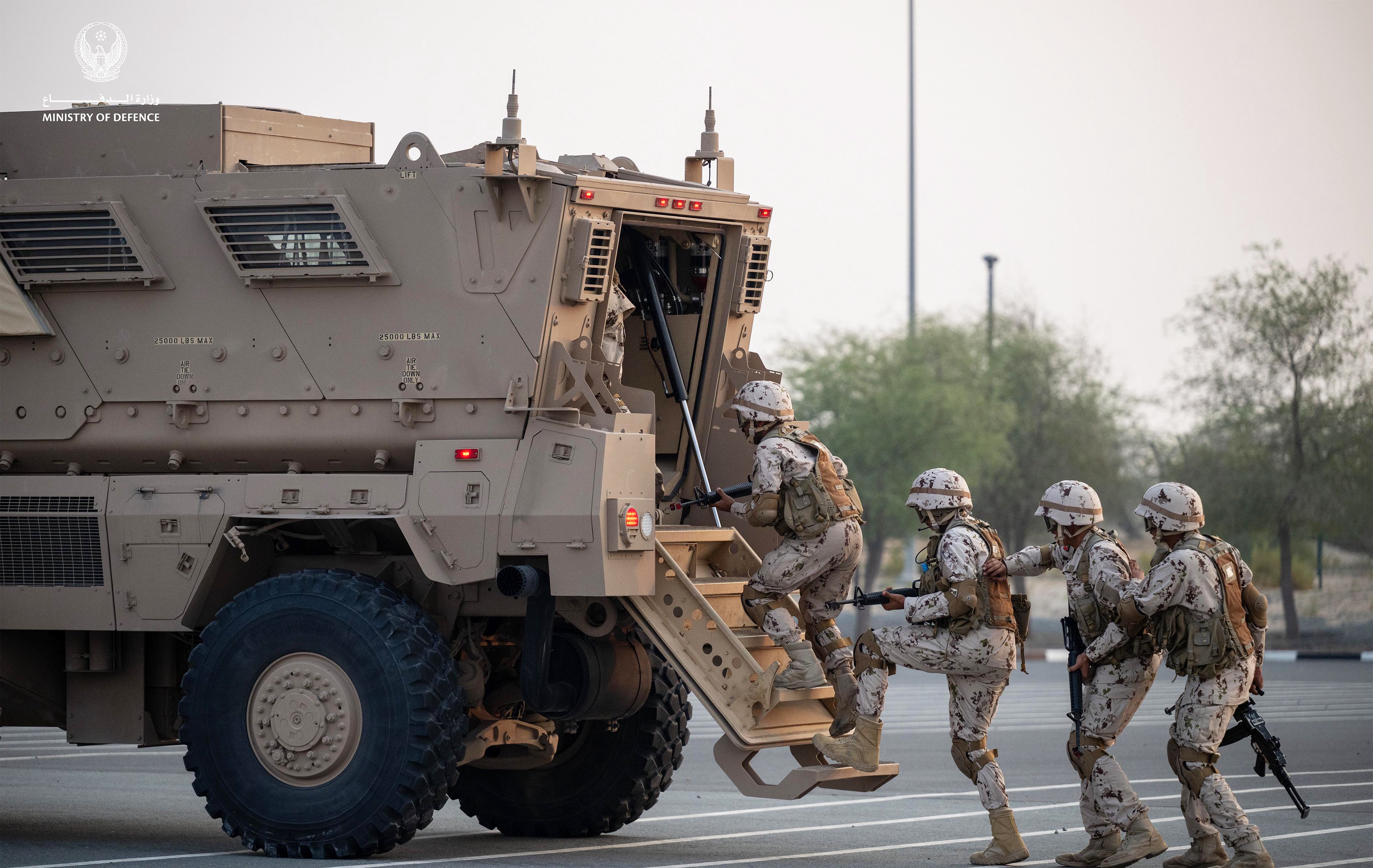
UAE Army
UAE Army (UAE Ministry of Defense |MOD UAE)

The United Arab Emirates announced on Tuesday an unprecedented freeze on all trade transactions and financial activity with Iran. Abu Dhabi's foreign ministry attributed the decision to "regional escalations that undermine peace and security in the region and globally," emphasizing the country's commitment to maintaining the integrity of the international financial system.

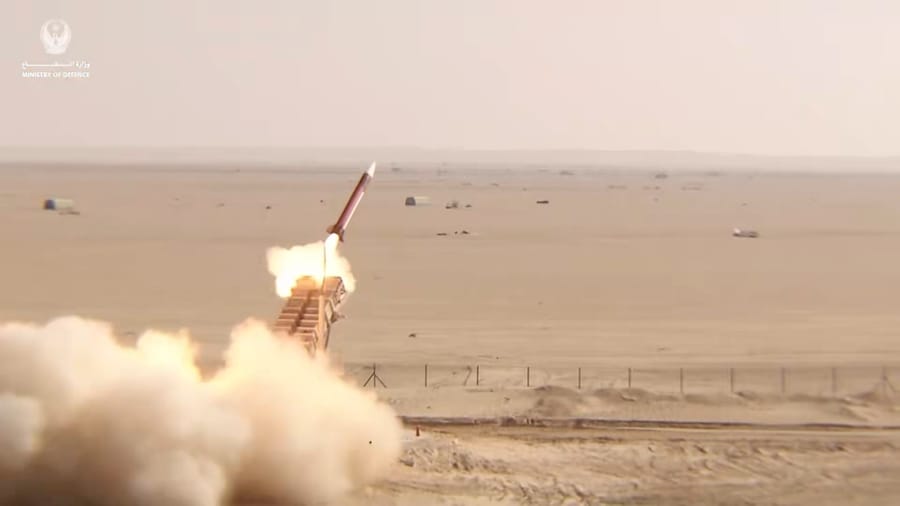
The move came just hours after the Emirati defense ministry reported that Iran had launched two ballistic missiles toward the UAE, triggering air raid sirens. Iran's foreign ministry spokesman quickly denied the reports, claiming the missiles were not fired from Iranian territory.

The suspension represents a turning point in economic relations between the two countries. For decades, the UAE has maintained close economic and cultural ties with Tehran, with Dubai serving as a major trade hub for Iran. According to World Trade Organization data, bilateral trade totaled approximately $28 billion in 2024, with the Emirates serving as Iran's largest import source, supplying electronics, precious metals, and other goods.

While critics of the U.S. administration have previously alleged that Dubai served as a channel for sanctions evasion, Emirati officials have insisted they act firmly against any violations. The decision to implement a complete suspension marks a dramatic policy reversal and signals a clear intention to distance the country from Tehran.

UAE Army
UAE Army (UAE Ministry of Defense @modgovae)

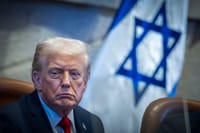
The official announcement from Abu Dhabi came amid strengthening security and economic cooperation with the United States. The statement followed a phone call between U.S. President Donald Trump and UAE ruler Sheikh Mohammed bin Zayed. Separately, Secretary of State Marco Rubio met with Emirati National Security Advisor Sheikh Tahnoon bin Zayed to coordinate efforts to hold Iran and its proxies fully accountable for repeated attacks.

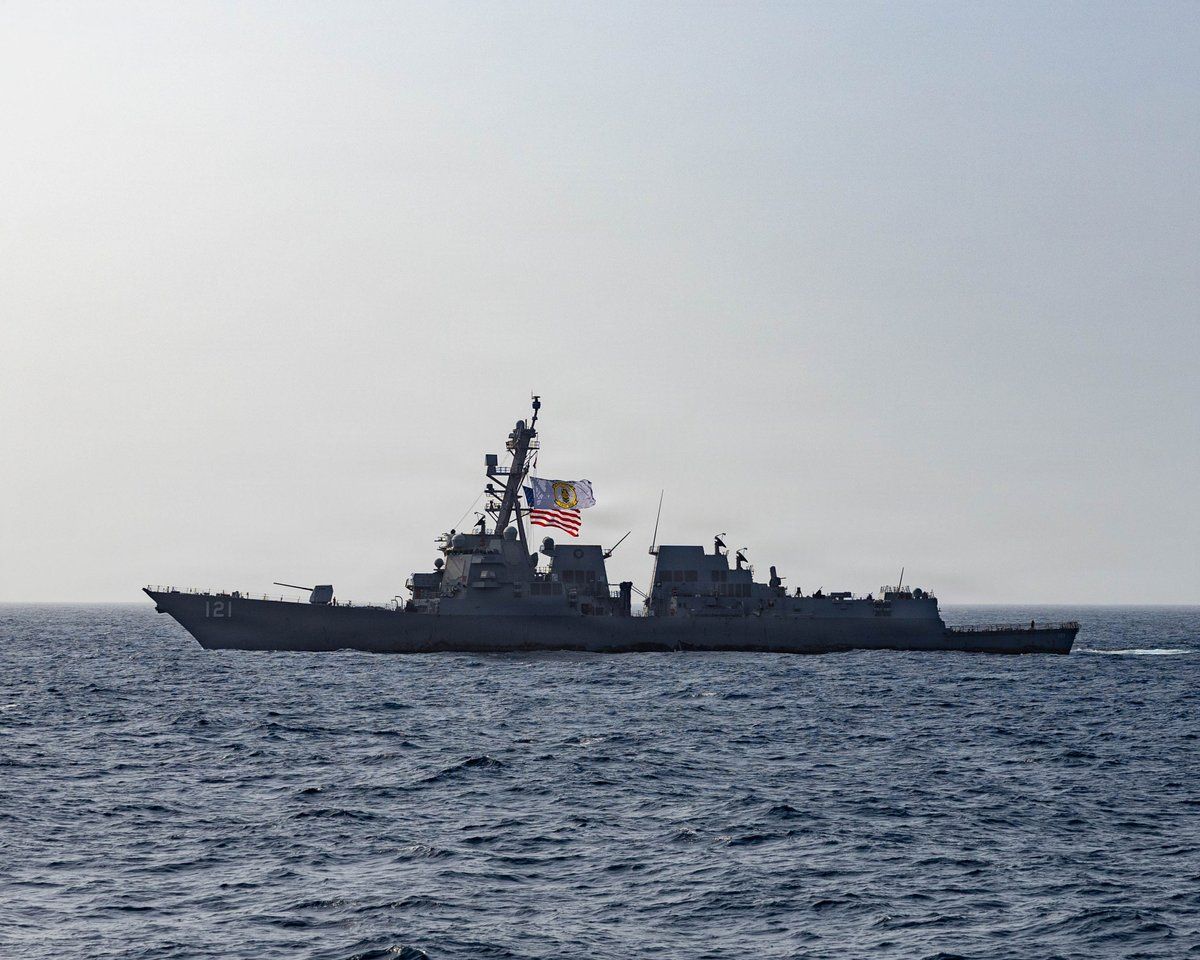
The Trump administration continues to project a hardline stance: last week, Treasury Secretary Scott Bessent threatened to deploy "unprecedented measures in the history of economic isolation" against entities that continue to violate sanctions. President Trump clarified that no diplomatic talks are currently taking place between the U.S. and Iran, nor are any planned, and emphasized that the American naval blockade on Tehran continues while the Strait of Hormuz remains open to traffic.

UAE Army
UAE Army (UAE Ministry of Defense)

Recent reports revealed that the UAE has faced intense American pressure in recent months. According to reports published by Reuters, unidentified sources in Tehran claimed that Abu Dhabi had agreed to unfreeze Iranian assets totaling between $10 and $20 billion, with approximately $3 billion already transferred, along with two tons of gold valued at around $283 million.

Emirati officials strongly denied the allegations and rejected any connection to covert transfers. However, flight tracking data documented a Royal Jet executive aircraft from Abu Dhabi making two brief flights to Iran on August 11 and 12, 2026, raising additional questions about the nature of relations between the countries.

U.S Navy on the Strait of Hormuz
U.S Navy on the Strait of Hormuz (US Army CENTCOM)

The UAE's decision comes at a time of peak regional tension. Iran and Oman are secretly advancing a plan to control shipping traffic through the Strait of Hormuz, a move that threatens to upend the international status quo. Meanwhile, the United States continues to pressure Gulf states to cease all cooperation with Tehran.

Abu Dhabi's sweeping suspension marks a significant turning point in regional relations and demonstrates the Emirates' clear desire to align with American policy and distance itself from Iran. The question remains whether other Gulf states will follow suit, and what the economic impact will be on Iran, which already suffers under heavy sanctions.

Ready for more?

Join our newsletter to receive updates on new articles and exclusive content.

We respect your privacy and will never share your information.

Enjoyed this article?

Yes (2)
No (0)
Follow Us:

Unmissable content


Loading comments...

Also of Interest