The United States is in advanced negotiations with Venezuela's interim government to acquire direct ownership stakes in the country's petroleum infrastructure, a move aimed at expanding American energy reserves. The proposed agreement involves more than a dozen highly productive oil fields previously controlled by Venezuelan regime insiders and foreign interests, including entities linked to China.
If finalized, the deal would effectively more than double current US oil reserves by securing access to Venezuela's vast energy deposits, which represent the largest proven crude reserves in the world. One senior US official described the scope of the potential agreement as "massive."
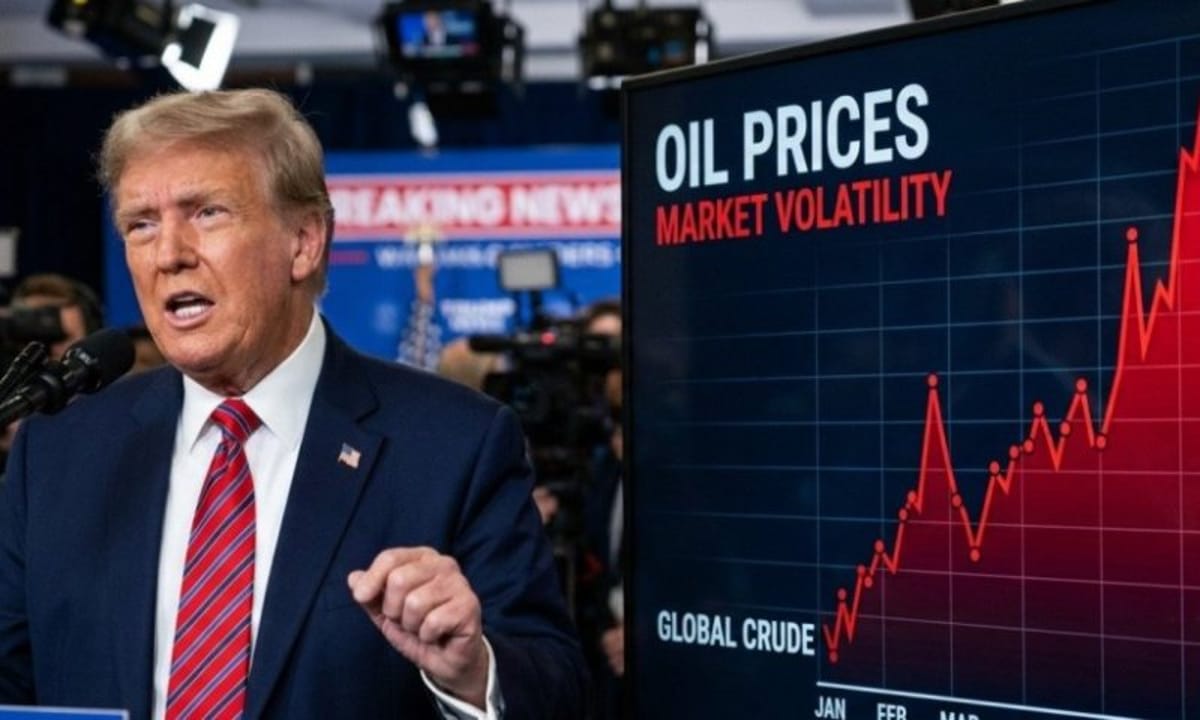
The push to secure South American energy assets comes as ongoing wars in Iran and Ukraine continue to disrupt global oil supplies and elevate fuel prices. Concurrently, the US Strategic Petroleum Reserve has fallen to a 40 year low, heightening the administration's urgency to establish stable, long term domestic and regional supply chains.
Negotiations focus on key assets capable of producing up to 90 million barrels of crude oil per day, rather than the nation's total reserves of 300 billion barrels. In exchange for granting an ownership stake to the US government, Venezuela would receive capital investment from American private firms to rehabilitate deteriorated fields and increase overall national revenue.
The initiatives align with President Donald Trump's broader foreign policy vision, termed the "Donroe Doctrine," which emphasizes Western Hemisphere dominance and domestic energy security. A second US official noted that President Trump is close to securing America's energy future for generations across both the nation and the surrounding hemisphere.
Deliberations regarding an equity stake began prior to the January 3 military operation that resulted in the capture of Nicolas Maduro, who currently faces federal narco terrorism charges in New York. State Department officials emphasized that the current administration is structuring the agreement to ensure tangible economic benefits for the Venezuelan populace.
Secretary of State Marco Rubio, Deputy White House Chief of Staff Stephen Miller, and Venezuela's acting president, Delcy Rodriguez, are currently directing negotiations. Energy Secretary Chris Wright is evaluating a diplomatic trip to Caracas to finalize terms, as US Energy Department analysts work to enable American commercial energy firms to expand production on the ground.